There are four realistic ways to get someone onto the outside of a tall building: rope access, a swing stage, an elevating work platform, or a fixed scaffold. Each of them is obviously right for some jobs and obviously wrong for others, and the expensive mistakes happen in the middle.
We do rope access. This post includes the jobs where rope access is the wrong choice, because that is the part building managers actually need and rarely get.
The four methods side by side
| Rope access | Swing stage | EWP | Fixed scaffold | |
|---|---|---|---|---|
| What it is | Technicians descend from roof anchors on a working line with an independent backup line | Powered platform suspended from roof rigging, raised and lowered on hoists | Machine-mounted platform working up from the ground | Erected structure standing from the ground and tied to the facade |
| Load path | Roof anchors | Roof rigging and counterweights | The ground, plus machine footprint | The ground, plus facade ties |
| Setup time | Hours | Days | Minutes per position once on site | Days to weeks |
| Ground footprint | Exclusion zone only | Small | Machine plus outriggers, often road or footpath occupation | Full perimeter for the duration |
| Working surface | None, the technician is the platform | Continuous platform, two or more workers | Continuous platform | Platform on every level |
| Material handling | Poor, everything tethered | Good | Good | Excellent |
| Suits | Short, targeted, scattered work | Medium to long runs on one elevation | Low and mid rise with clear ground | Long duration, whole facade, multi-trade |
Where rope access genuinely wins
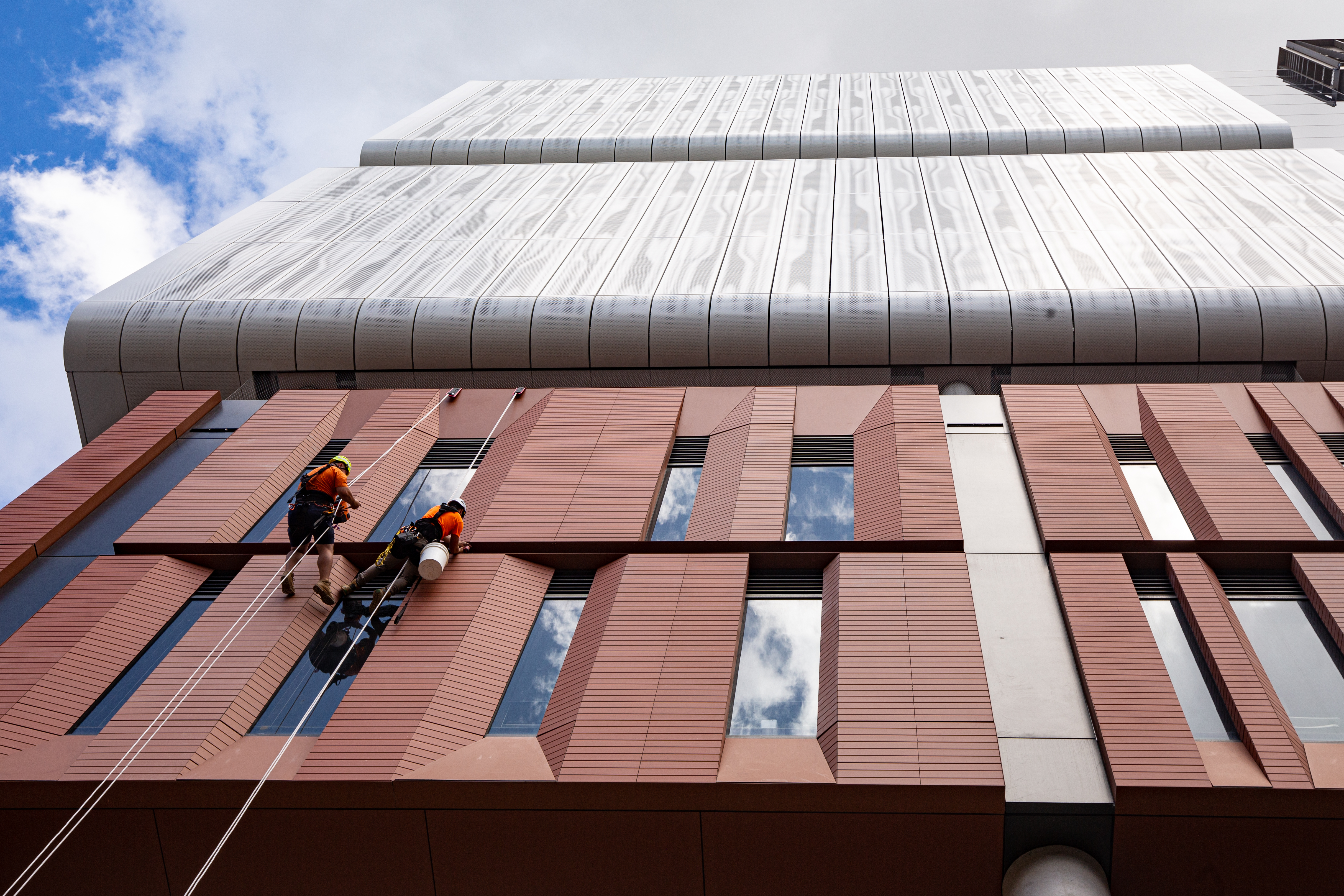
Occupied buildings, where disruption is the real cost. Scaffold around a leased tower or a residential block affects entries, views, pedestrian areas and daily operations for weeks. It also gives anyone a climbable route to upper floors, which security teams do not love. On a tenanted building that disruption routinely costs more than the access does.
Targeted work spread across a large facade. Ten defects on eight different elevations is the case ropes were made for. Every other method has to build or reposition a continuous platform to reach discrete points.
Buildings with no ground to work from. Sydney CBD sites built to the boundary, harbour-front buildings, heritage frontages, awkward setbacks. Sometimes there is simply nowhere to stand a scaffold or an EWP.
Short jobs and emergencies. Mobilisation is fast and there is no erect-and-dismantle cycle to pay off before the work starts.
Inspection. Ropes are the only method that puts a hand on every part of a facade at sensible cost. More on that below.
Where rope access is the wrong answer
Heavy or repeated material handling. Everything a rope technician uses is tethered to them, or suspended on a separate line from its own anchor. If the job needs bags of render, sheets of cladding, replacement glazing units or a compressor, you want a platform.
Long jobs needing continuous full-facade access. If trades are working the same elevation for weeks, a scaffold that stays up beats rigging and de-rigging every day.
Multi-trade work. A glazier, a waterproofer, a painter and an electrician on one elevation cannot all be rope access technicians. They need a shared workspace.
Large-area breaking out. Removing a lot of loose render or spalled concrete above a public footpath is a debris containment problem before it is an access problem.
Full containment work. Blasting, hazardous coating removal, anything where overspray and debris must be completely contained. That is scaffold and shrink-wrap.
Low and mid rise with clear ground. A four-storey building with an open car park beside it is an EWP job. Rigging ropes from the roof to reach level three is doing it the hard way and paying more for the privilege.
Deep setbacks, atria and large overhangs. Ropes hang where gravity puts them. Inward-stepping facades and light wells can be geometrically out of reach.
Hard deadlines in exposed positions. Ropes stand down in wind well before a scaffold does. If the date genuinely cannot move, the least weather-sensitive method wins.
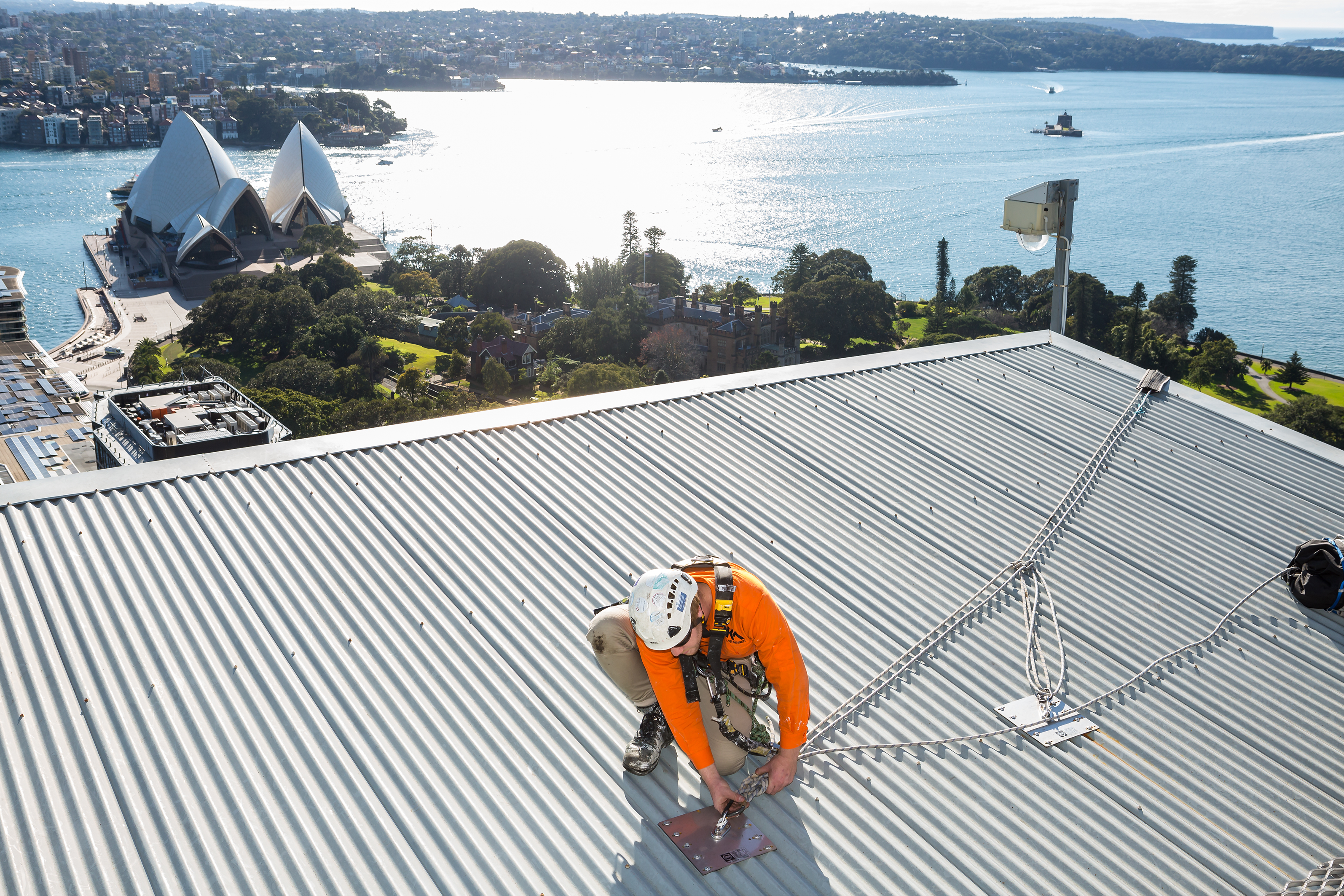
Buildings with no usable anchors. If there is nothing to rig from, the rope option carries a height safety installation project in front of it. For a one-off scope, a lift may simply be cheaper.
Swing stages
A swing stage is a powered platform hung from roof rigging. It gives you a continuous working surface with two or more people on it, which ropes cannot, and it reaches areas fixed scaffold struggles with on awkward building shapes.
The trade-off is setup. Rigging a swing stage takes days rather than hours, and it wants a reasonably regular elevation to travel. It sits between rope access and scaffold on almost every axis: more capacity than ropes, less disruption than scaffold, slower to mobilise than one and faster than the other.
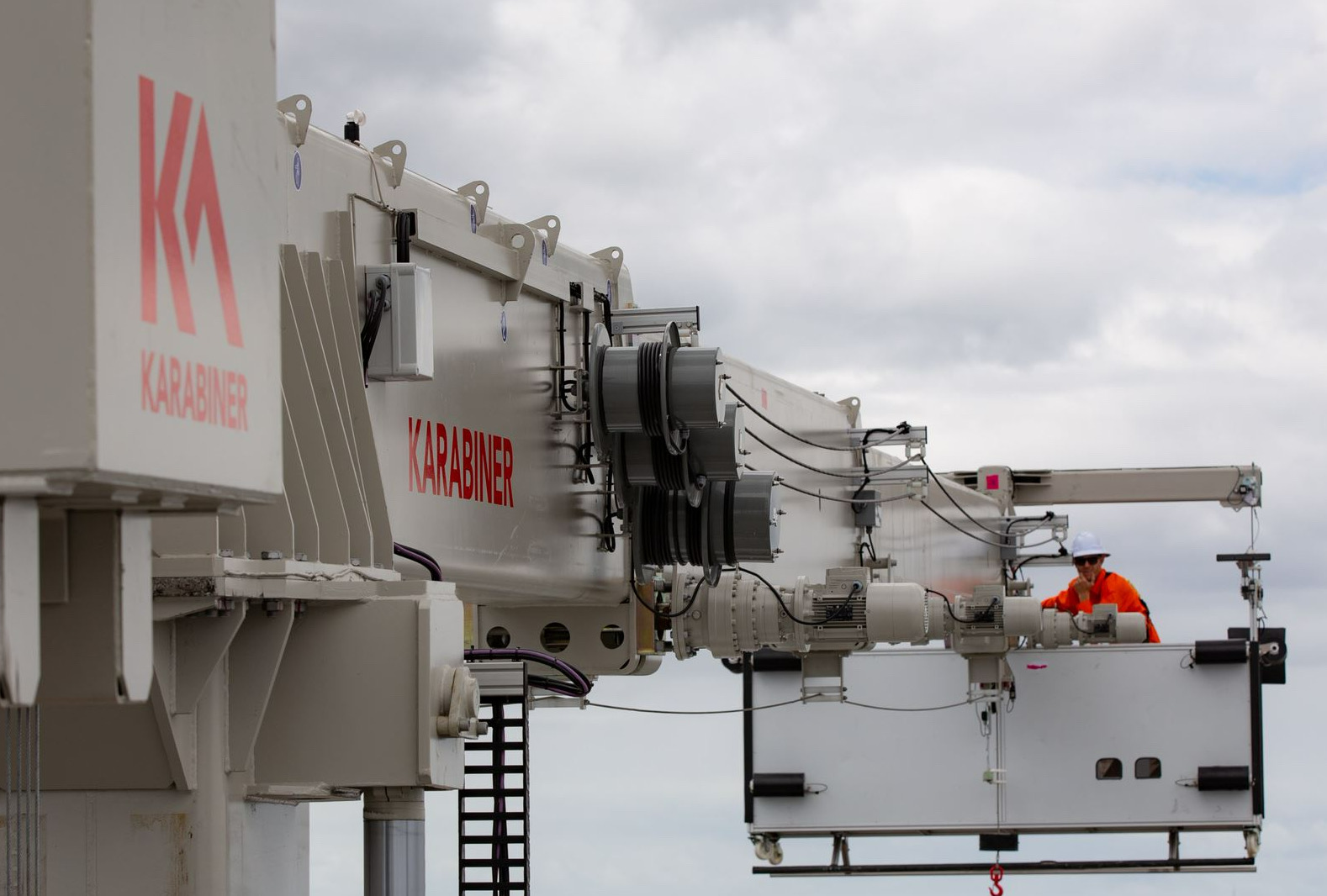
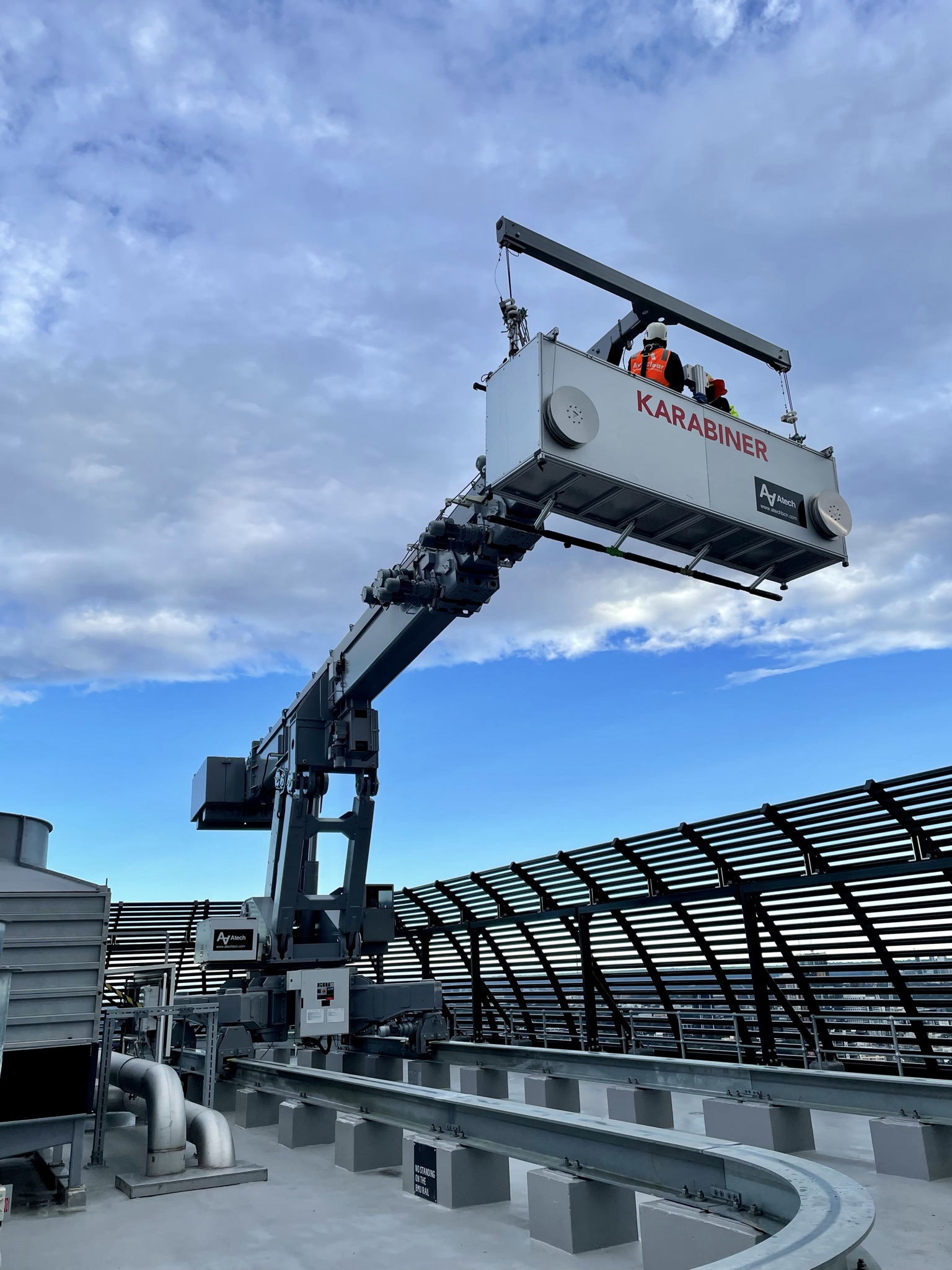
BMUs
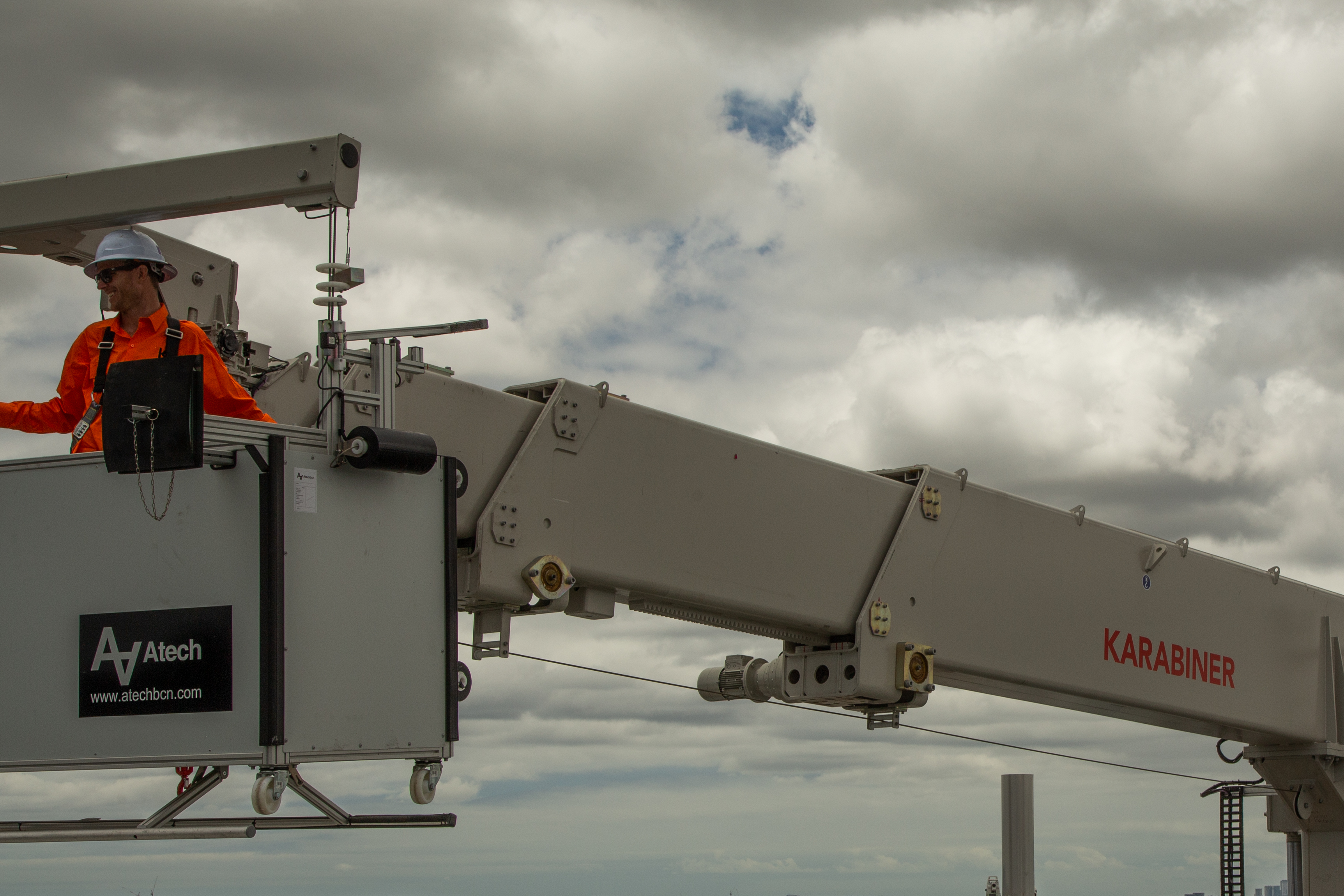
A building maintenance unit is the permanently installed roof-mounted crane and cradle you see on larger towers. If your building has one, it is often the cheapest way to reach the facade, because the access equipment is already there and already paid for.
Two practical caveats. It is only an option if the building actually has one, and its certification has to be current before anyone uses it. Buildings that let BMU certification lapse discover it the week they need the facade accessed. We cover the machines themselves in building maintenance units.
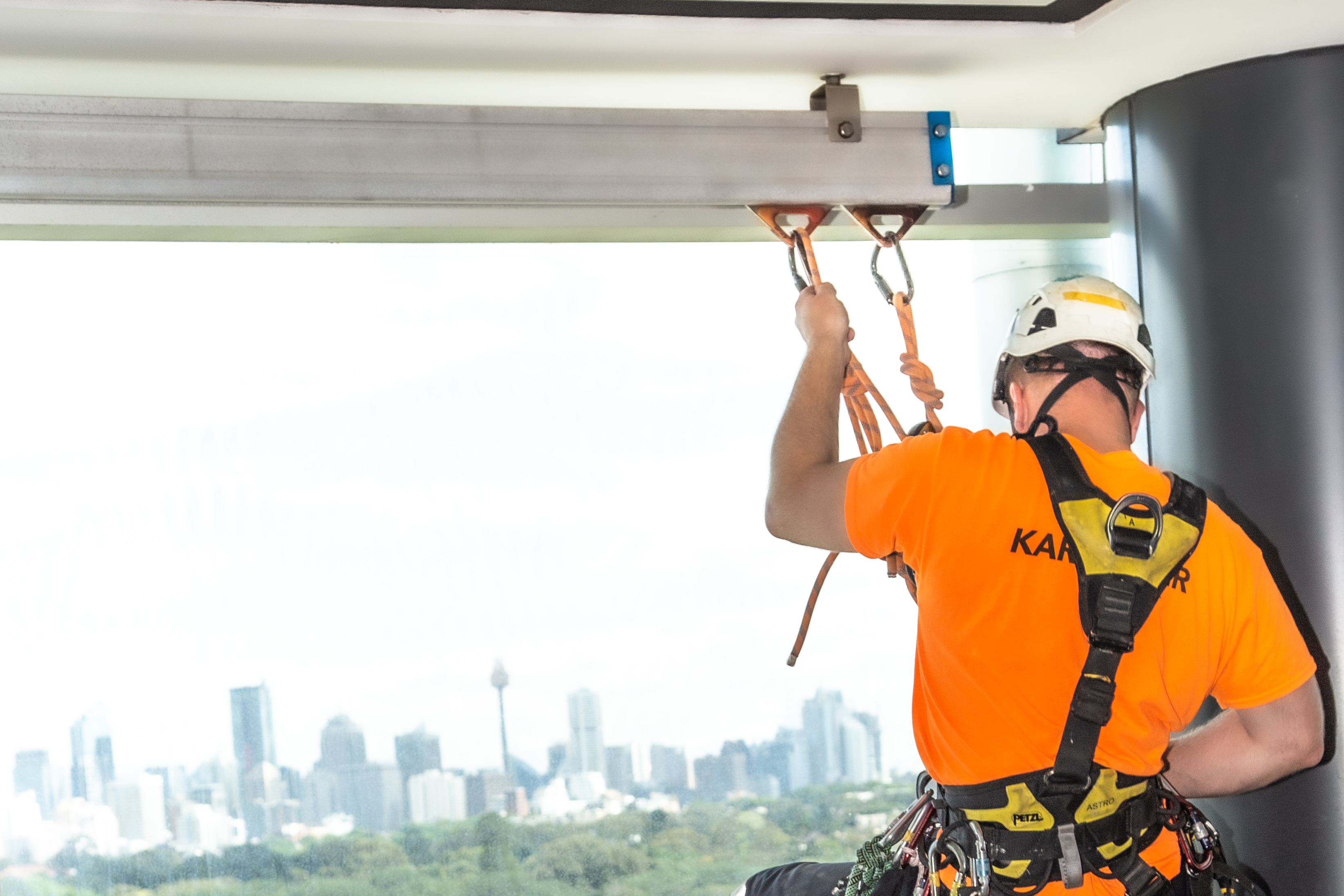
Inspection is the clearest case
For facade inspection specifically, the comparison is less balanced than people expect.
Inspection is traditionally two stages. Stage one is visual, from the ground or an adjacent building, with binoculars. Stage two is close range, where an inspector physically examines the facade and performs tests.
Binoculars and drones only ever do stage one. They produce images. A drone will photograph an entire facade quickly, including setbacks and overhangs ropes cannot reach, and it is genuinely the better first pass.
But a surveyor on a rope can tap render and concrete to find drummy and debonded areas by sound, which is invisible in a photograph at any resolution. They can probe a joint with a blade to test whether the sealant has released. They can pull on a fixing, measure a crack with a gauge rather than estimating from a scaled image, lift a flashing and look behind it, and take samples.
So the honest position is not that ropes beat drones. It is that a drone tells you where to look and ropes tell you what is actually happening there. A drone pass followed by targeted rope drops on the flagged areas is usually the best value combination.
How to decide
Ask these in order.
- How much material has to reach the work face? A lot means a platform.
- How long will trades be on the elevation? Weeks means scaffold. Days means ropes or a swing stage.
- Is the work concentrated or scattered? Scattered favours ropes heavily.
- Is there ground to work from, and can you occupy it? No ground rules out EWP and often scaffold.
- Is the building occupied, and what is disruption worth? This is usually the number people underestimate most.
- Does the building have a usable, documented anchor system? If not, ropes carry an installation project first.
- How many trades need to be there at once? More than one, at once, on the same face, means a platform.
Most large facade programmes end up mixing methods, and there is nothing wrong with that. Ropes for the scattered and linear work, a platform where the area is continuous and the materials are heavy.
If you want a view on which method suits your building, talk to our team and we will tell you when it is not us.
Services this involves
Trusted by Australia's leading builders
_logo.svg.png)