loading...
HEIGHT SAFETY CERTIFICATION & ANCHOR POINT TESTING SYDNEY
Inspection, testing and recertification of anchor points, static lines, ladders, walkways, guardrails and harnesses in Sydney and across Australia.
- Anchor, static line & ladder testing
- Walkway, guardrail & harness checks
- Recertification to current Standards
- Compliance records for your site
Talk to our team
Tell us a bit about your building or project and our team will get back to you. No obligation.
500+
Projects completed
100%
Safety record
34+
Years, since 1991
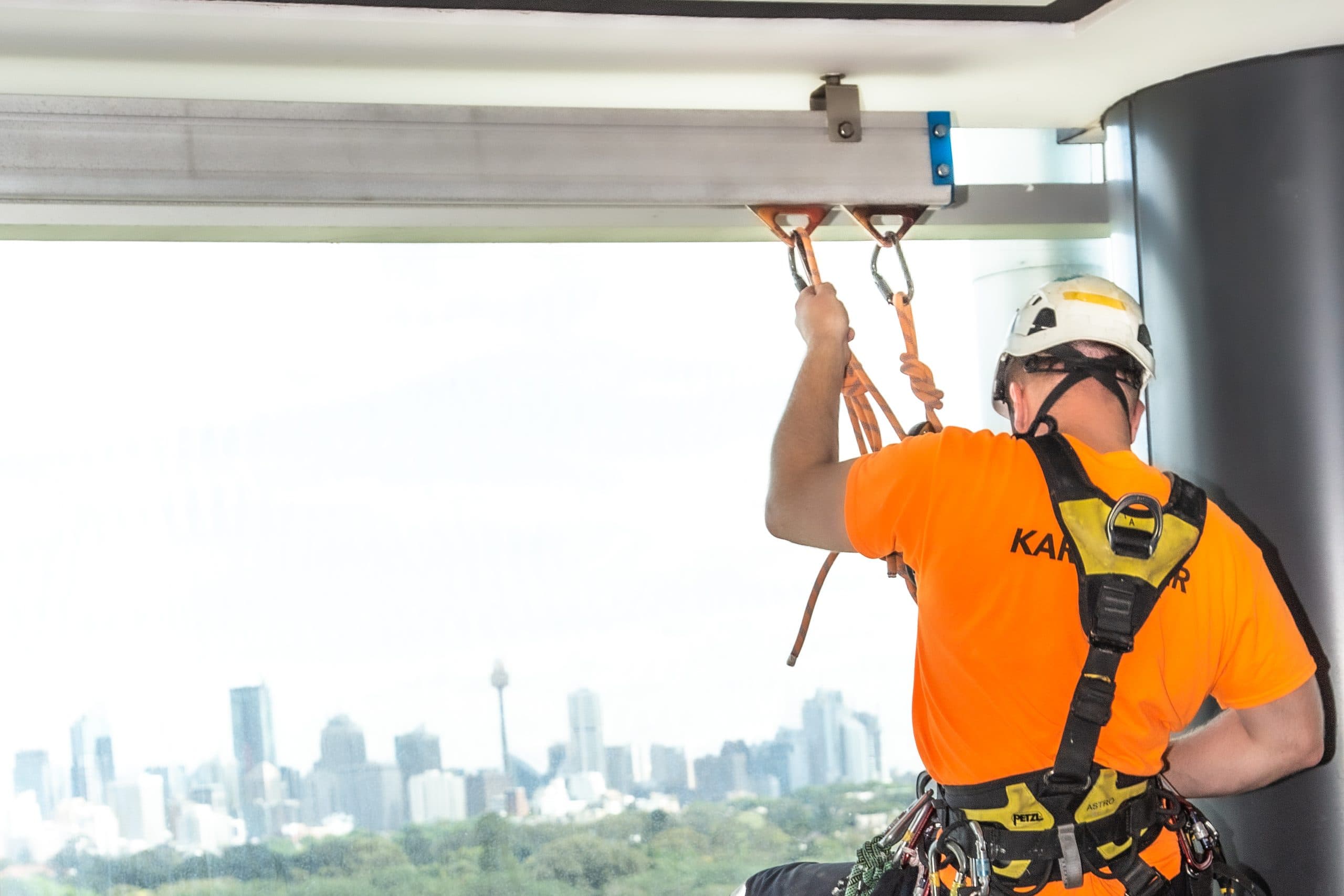
 IRATA certifiedRope access technicians
 WAHA memberWorking at Height Association
 CM3 prequalifiedContractor safety prequalification
- Australian StandardsDesigned & certified to Standard
- In-house engineeringDesign, install & certify
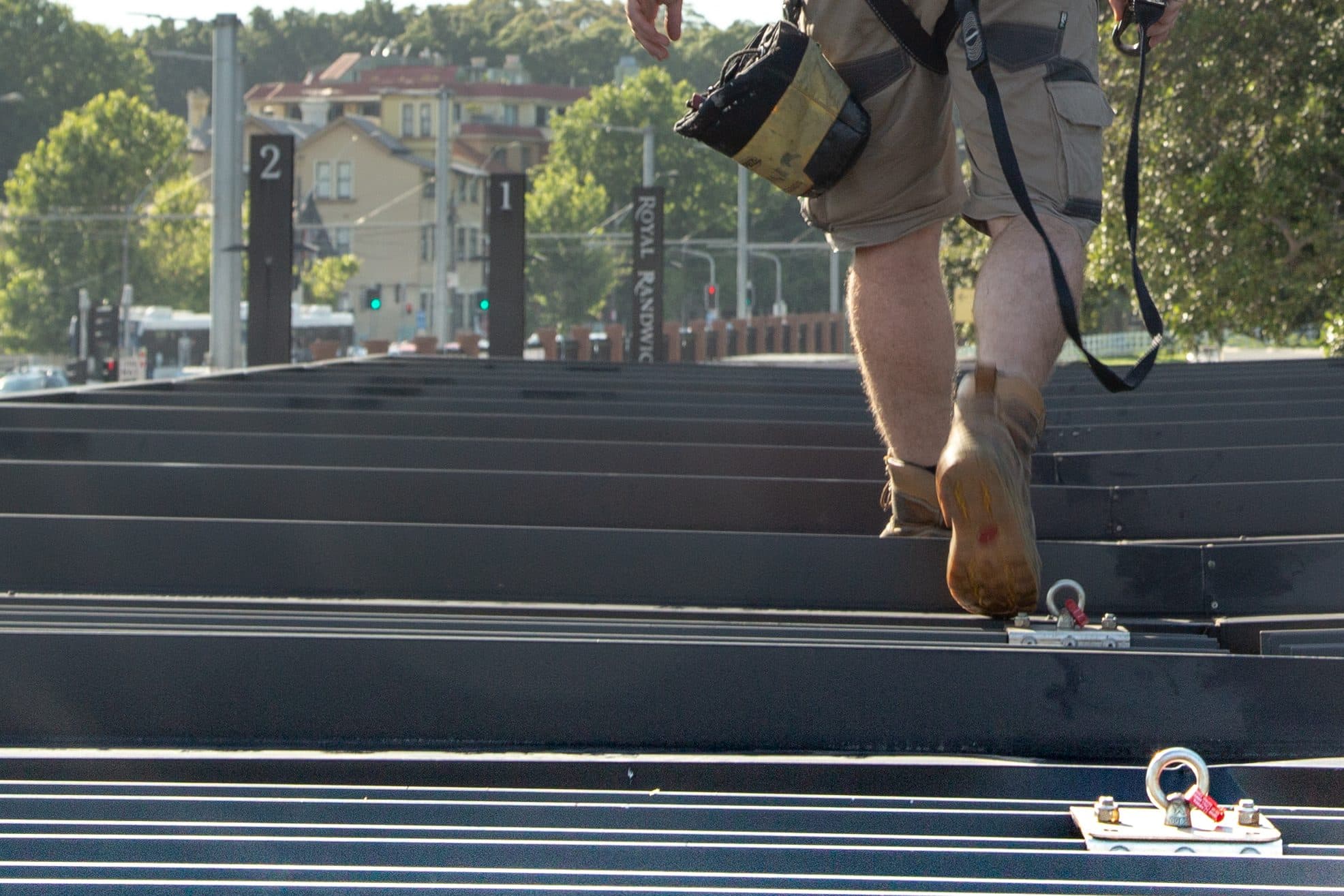
A roof system only counts as fall protection if somebody has been up there and checked it. Anchors corrode from the base plate up, fixings back off, and a walkway bracket lets go quietly under a plant deck where nobody walks. None of that is visible from the ground.
- Systems we coverAnchor points, static lines, rigid rail, fixed ladders, walkways, guardrails and personal fall arrest equipment.
- Who it is forFacility managers, strata committees and owners, from a single strata block to a portfolio of sites.
- What happens on the dayWhatever passes is tagged and logged; whatever fails is tagged out where it sits before we leave site.
- What you get backEvery asset with its tag, location, status and defect photographs, held in a digital register you can scan on the roof.
Karabiner inspects, tests and certifies height safety systems across Sydney and the rest of Australia: anchor points, static lines, rigid rail, fixed ladders, walkways, guardrails and personal fall arrest equipment. We tag what passes, take what fails out of service on the spot, and hand back a record an auditor can follow. We also design and install new height safety systems and provide rope access maintenance where the system itself is hard to reach. To book an inspection, contact our team.
What we inspect
Height safety on a commercial roof is rarely one system. There is usually a mix: a run of anchors along the parapet, a static line over the plant deck, a rail on the lift overrun, a ladder up to the upper roof, and a store of harnesses and lanyards somewhere in the building that nobody has opened in a while. Each one fails in its own way, so each one gets examined its own way.
| System | Type | What we look at |
|---|---|---|
 Anchor Points Fixed roof anchorage | Fixed system | The anchor, and what it is fixed to. Corrosion at the base plate, movement in the fixing, a cracked weld, a sealant bead that has let go and let water into the substrate, any deformation that says the anchor has taken a load at some point. The structure behind it gets checked as hard as the hardware does, because an anchor is only ever as good as the purlin, slab or beam it is bolted through. |
 Static line Horizontal lifeline | Fixed system | The line itself. Broken strands, kinks, cable tension, energy absorber condition, intermediate bracket fixings, end terminations, and whether the traveller still runs the full length of the system without snagging at a bracket. |
 Raptor Rail Rigid rail system | Fixed system | Rail gets the same treatment as a static line, along every joint, splice and support. |
 Ladder Fixed access ladder | Access | Structural work: footings and wall fixings, rung and stringer condition, and the fall arrest rail or cage where one is fitted. |
 Walkway & Guardrail Roof access and edge protection | Access | Handrail and toeboard integrity, mesh and support brackets, and corrosion at every point where two different metals meet. Coastal sites give us plenty of the last one. |
 Safety Harness Personal fall arrest equipment | Personal equipment | Personal gear comes apart in your hands: webbing cuts and abrasion, chemical or heat damage, stitching, hardware wear, deployed fall indicators and whether the label is still legible. Anything questionable comes out of service rather than being argued about. |
The question we get asked more than any other is how often each of these needs looking at. The honest answer is that it depends on the system, on the manufacturer's documentation for that specific product, and on the life the hardware has: a plant deck in Cronulla is a harder environment for stainless than a car park roof in Homebush. We confirm the schedule for your systems in writing before the programme starts, rather than quoting you a number that may not apply to your building.
What an inspection involves
Every building is laid out differently, but the shape of the job barely changes between a three anchor strata block in Randwick and a hospital campus with systems on nine roofs.
- 1
Before we arrive
Send us whatever paperwork exists: previous reports, the original installation certification, roof plans, and the asset register if there is one. If none of it exists, say so. We will build the register from scratch on the day, it just takes longer.
- 2
The site walk
We walk the roof and every other access point in scope, working out how the systems connect and what has been added, moved or removed since anyone last looked. Rooftop plant upgrades are the usual culprit: a new chiller goes in, a walkway run gets cut in half, and nobody tells the person holding the compliance file.
- 3
System by system
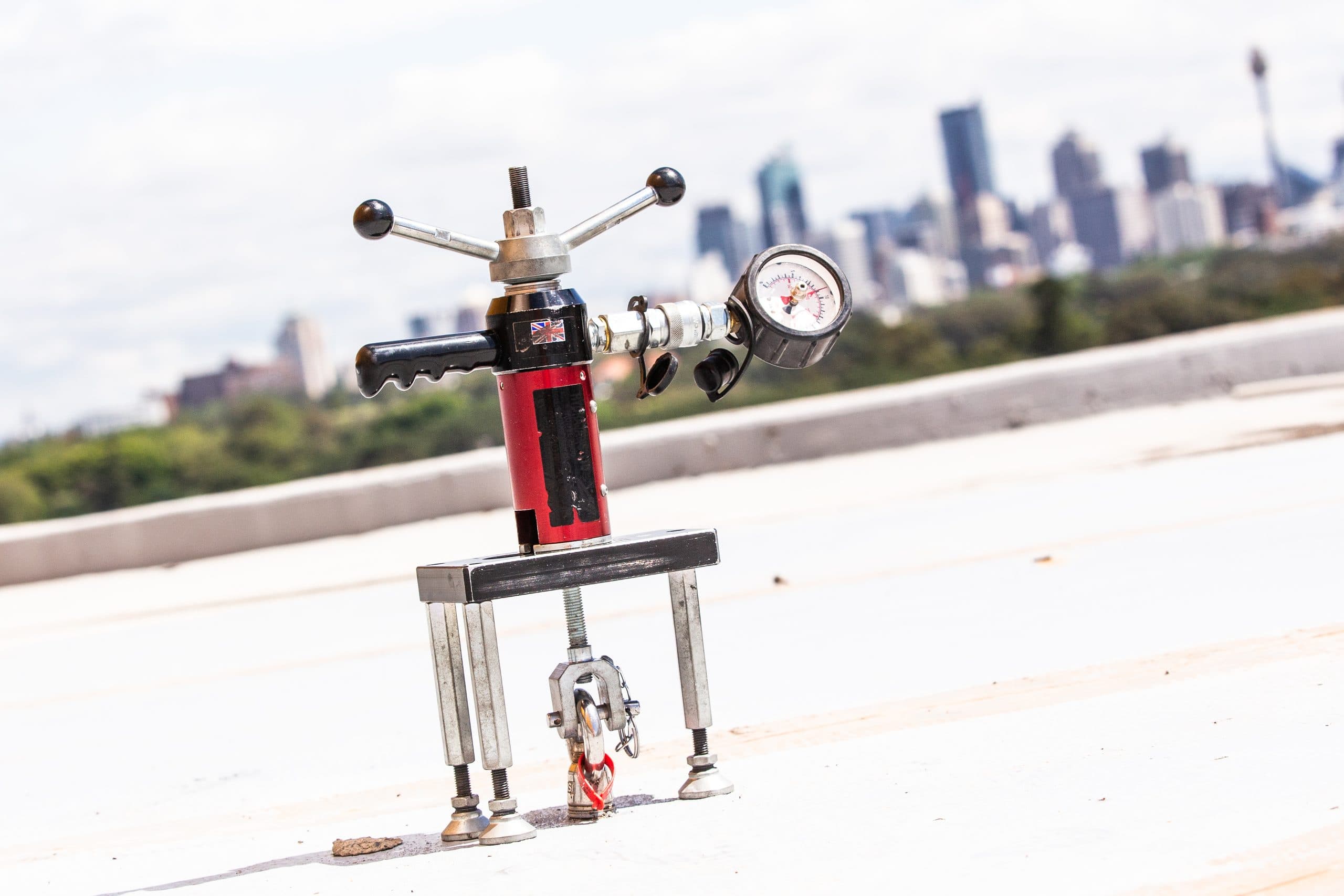
Each item is examined and tested to the manufacturer's method, recorded against its tag number and photographed. Where a system has to be proof loaded to prove it, that is done with calibrated equipment and the reading is written against the individual item, not the roof as a whole.
- 4
Tagging on the spot
Anything that passes is tagged and logged against the register. Anything that fails is tagged out where it sits, so nobody clips onto it in the gap between our visit and the report landing in your inbox.
- 5
Reporting
You get a report listing every asset and its status, photographs of each defect with its location, certification covering the systems that passed, and a plain list of what has to happen before the rest can be used again.
Most of this happens without touching a tenanted floor. What we need from you is:
- Roof access
- Keys or a swipe for plant rooms and risers
- Somebody who can point us at the harnessesWherever they are kept in the building.
- One contact who knows what has changed up there
On a mid-size commercial building the field work is usually a single visit. Bigger sites get staged so your tenants and cleaners are not working around us.
The report is written for a facility manager rather than for another engineer: every asset, its tag, its location, its status, and photographs of anything that failed with enough detail to price the fix. Where the same defect keeps turning up in the same place we say so, because that is a design problem rather than a maintenance one and it belongs with our installation and design team.
Not sure when your systems were last certified?
Tell us about your building and we'll work out what needs checking.
What happens if something fails
Things fail. Across a large enough roof something usually does, and the useful question is not whether it will but what happens the moment it does.
Anything that does not pass comes out of service there and then. The item is tagged out where it sits so it cannot be used by mistake, and you hear about it before we leave site, not when the report lands. Where the problem affects a whole system rather than one component, say a static line with a compromised end termination, the entire run is isolated instead of the single item.
Then you need a way to keep working, because a tagged out anchor does not stop the window cleaner turning up on Thursday. That is what interim controls are for.
- Move the task onto a different systemOne that is still certified.
- Rig a temporary anchor
- Do the work from a BMU or davit system instead
- Close the area until it is sorted
We will tell you which of those suits the work you are actually trying to get done. Where the answer is the machine, that is our BMU and davit system work.
Repair or replace is a judgement call and we make it in front of you, not in a quote you get three weeks later.
| What we find | What happens next |
|---|---|
| A corroded fixing on a sound anchor | A repair. |
| An anchor into a substrate that has degraded | A redesign, and that goes back through engineering before anything gets bolted down again. |
| Personal equipment that fails | Replaced, never repaired. |
Once the work is done the item is retested and recertified, and the register carries the failure, the fix and the retest rather than quietly showing a pass.
That trail is what an insurer or an auditor asks to see, and it is why we would rather write down an ugly finding than smooth it over.
Certificates, tagging and your asset register
A certificate is only worth having if it says something specific. A single page saying the roof was inspected and found compliant will not survive a serious audit. Ours:
- Identifies the site and the individual system
- Lists every item coveredWith its unique tag number and its position on the roof plan.
- Records the test method and the result item by item
- Names the technician and the date
- States the Standards the system was assessed against
For most Sydney buildings that means AS/NZS 1891.4:2025 for fall arrest systems, AS 5532:2025 for anchor devices and AS 1657:2018 for fixed platforms, walkways and ladders, with AS/NZS ISO 22846 sitting behind any rope access work.
Tagging is the physical half of the record. Every anchor, line, rail and ladder carries a durable tag with its own ID, so a technician standing on the parapet can match the hardware in front of them to a line in the register instead of guessing which of the fourteen identical anchors they are looking at.
The register is the digital half, and we run ours through Scannable. Every asset on your building carries a scannable tag that a phone can read on the spot, and that scan brings up the history for that one item: what it is, where it is, what was found last time it was looked at, what was repaired, and its current status. Inspection data uploads from the field, so the register moves as the work happens instead of when somebody gets back to the office and types it up.
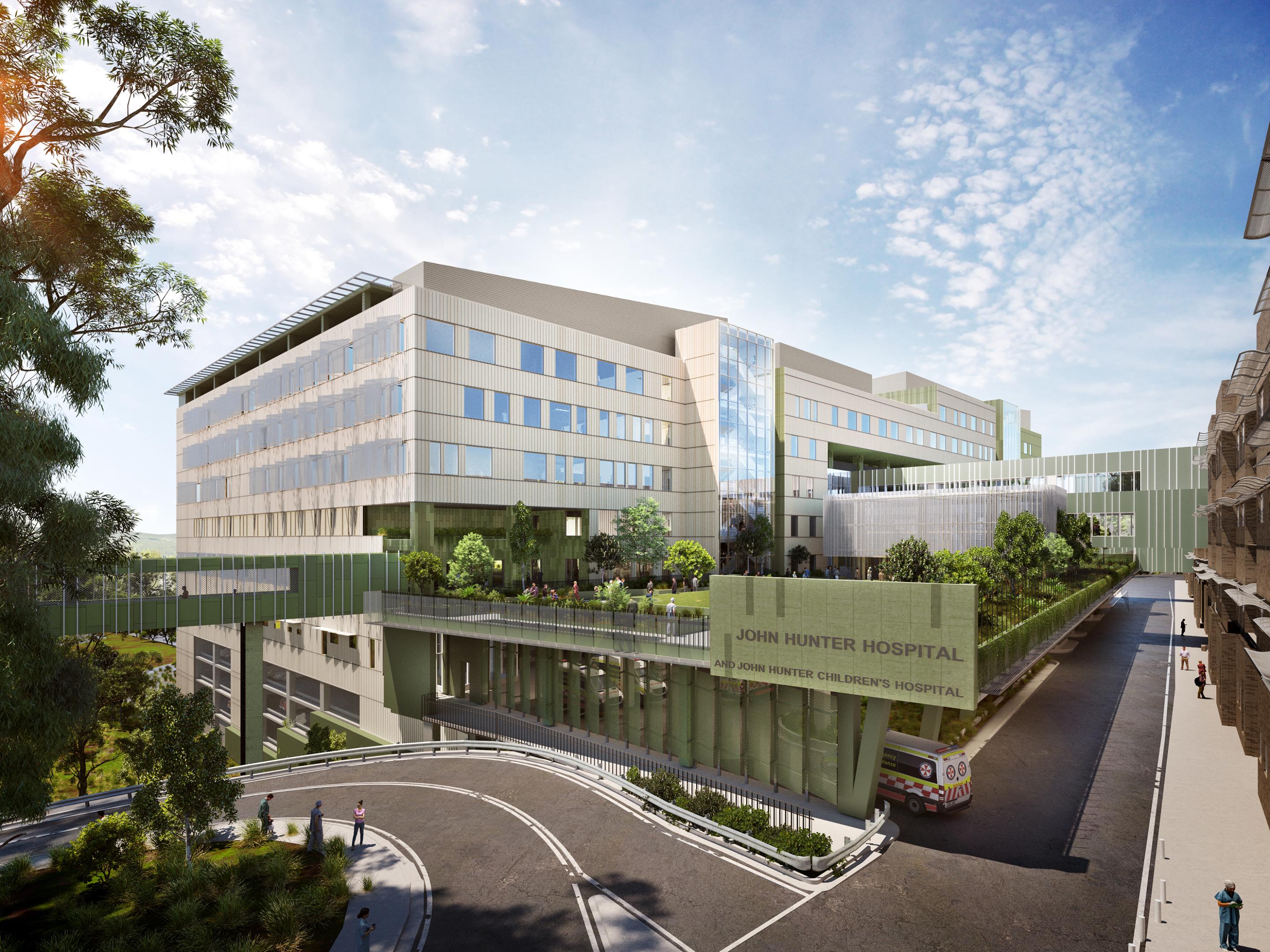
The value of that shows up during an audit, an insurance review or a tender, when somebody asks you to prove the systems on a building are certified and you send a link instead of digging through five years of PDFs. It is the same record we maintain on complex sites like John Hunter Hospital, where the systems were installed in stages over years and the register is the only thing that keeps them all straight.
Can you put your hands on the paperwork?
Tell us the site and we will get your systems and their records into one register.
Managing more than one building
One building is a job. Twenty buildings is a programme, and the difficulty changes shape entirely.
In a portfolio the systems were almost always installed by different contractors at different times, and the records sit in different places. Some sites have a full documentation pack. Others have a row of anchors nobody can identify and no paperwork at all. The first thing we do is get every site onto one register, so you can see the whole portfolio in a single view rather than as a folder of unrelated PDFs named after whoever emailed them.
Scheduling gets easier after that.
- Site visits get stagedSo they do not all land at once and blow a single budget line.
- Buildings get grouped by geographySo a crew is not crossing Sydney twice.
- Every site is reported in the same formatSo you can put two buildings side by side and see which one is costing you.
Where a site also has facade access plant or roof plant and HVAC access in scope, we cover it on the same visit rather than sending a second crew.
Remediation is the part that catches facility managers out, because defects do not arrive evenly. One site will sit clean while another needs half its anchors replaced at once. Seeing that across the portfolio lets you plan the capital spend instead of reacting to it.
You can meet the people who run these programmes before you hand them your buildings.
Products & accreditations
PARTNERS & ACCREDITATIONS

"Karabiner has been our go-to subcontractor, whether it's for BMUs, rope access or anything to do with heights and complex. Karabiner to date has never let us down."
Andrew Henebery, Construction Manager, Multiplex
@karabiner_access
From the field
Recent work from our crews on site, straight from our Instagram.


Trusted by Australia's leading builders
_logo.svg.png)






Related services
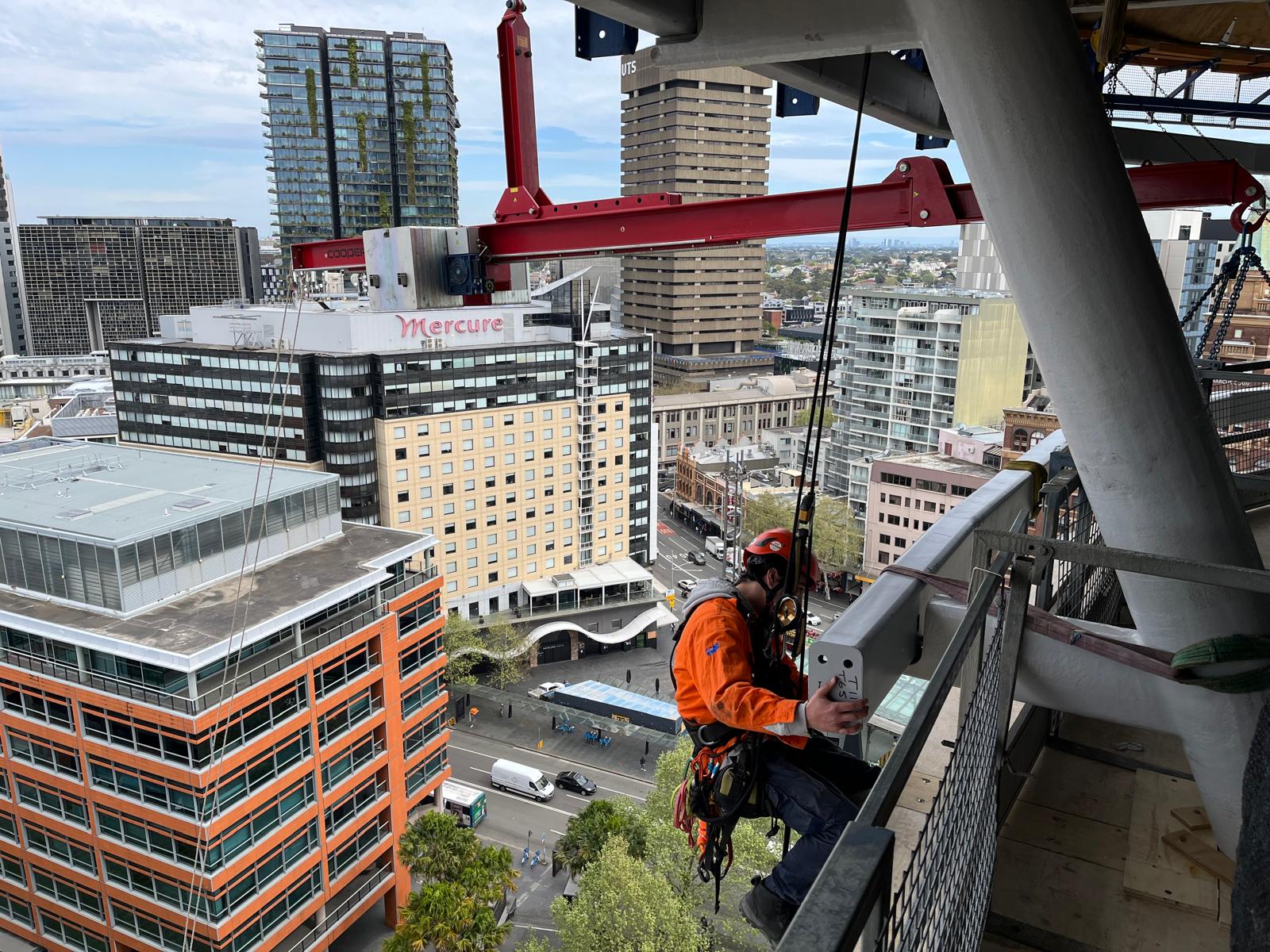
Rope Access Maintenance
Facade cleaning, inspection and repairs at height, without scaffolding or a crane.
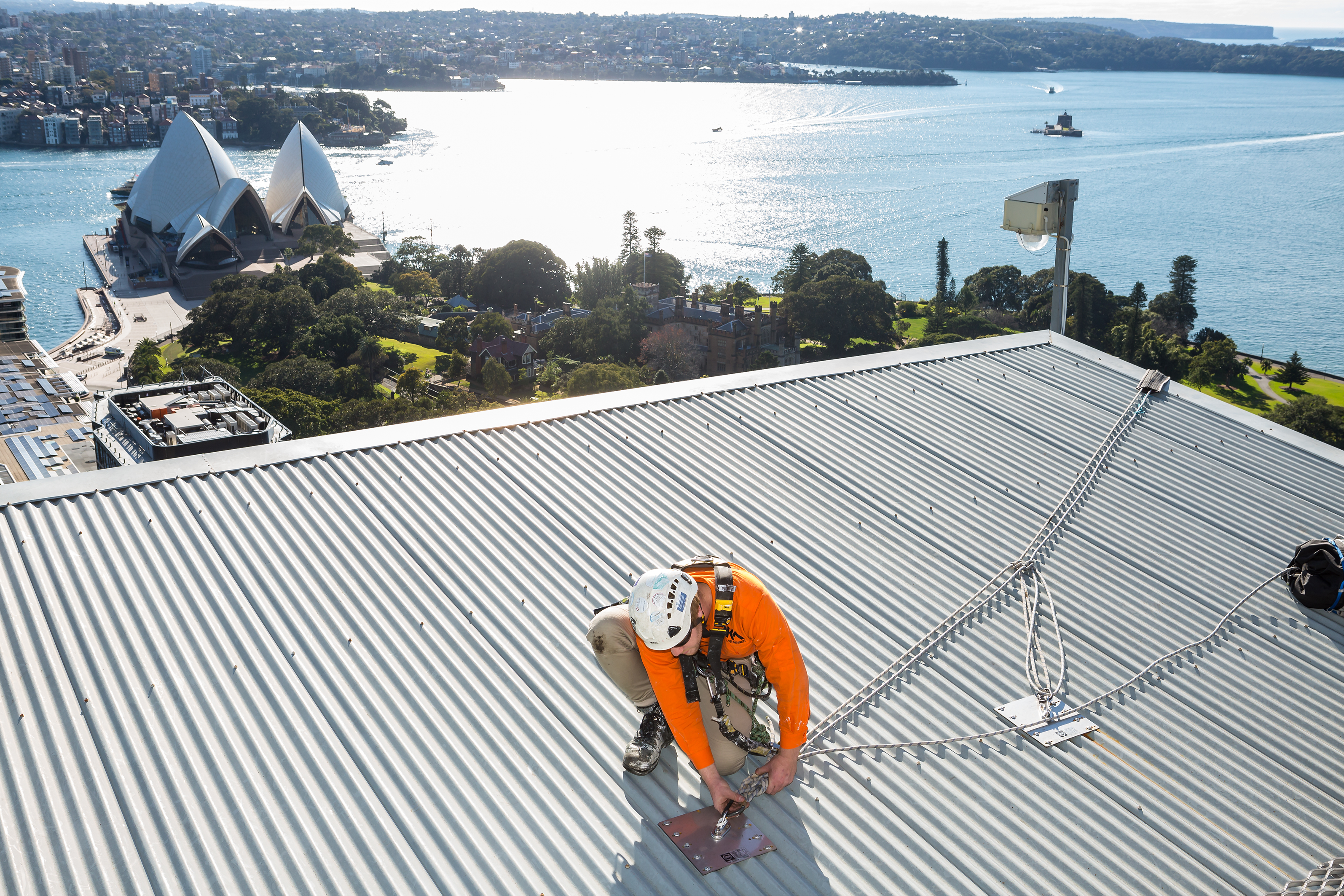
Height Safety Installation
Roof anchors, static lines, walkways and guardrails, designed, installed and certified.
Building Maintenance Units
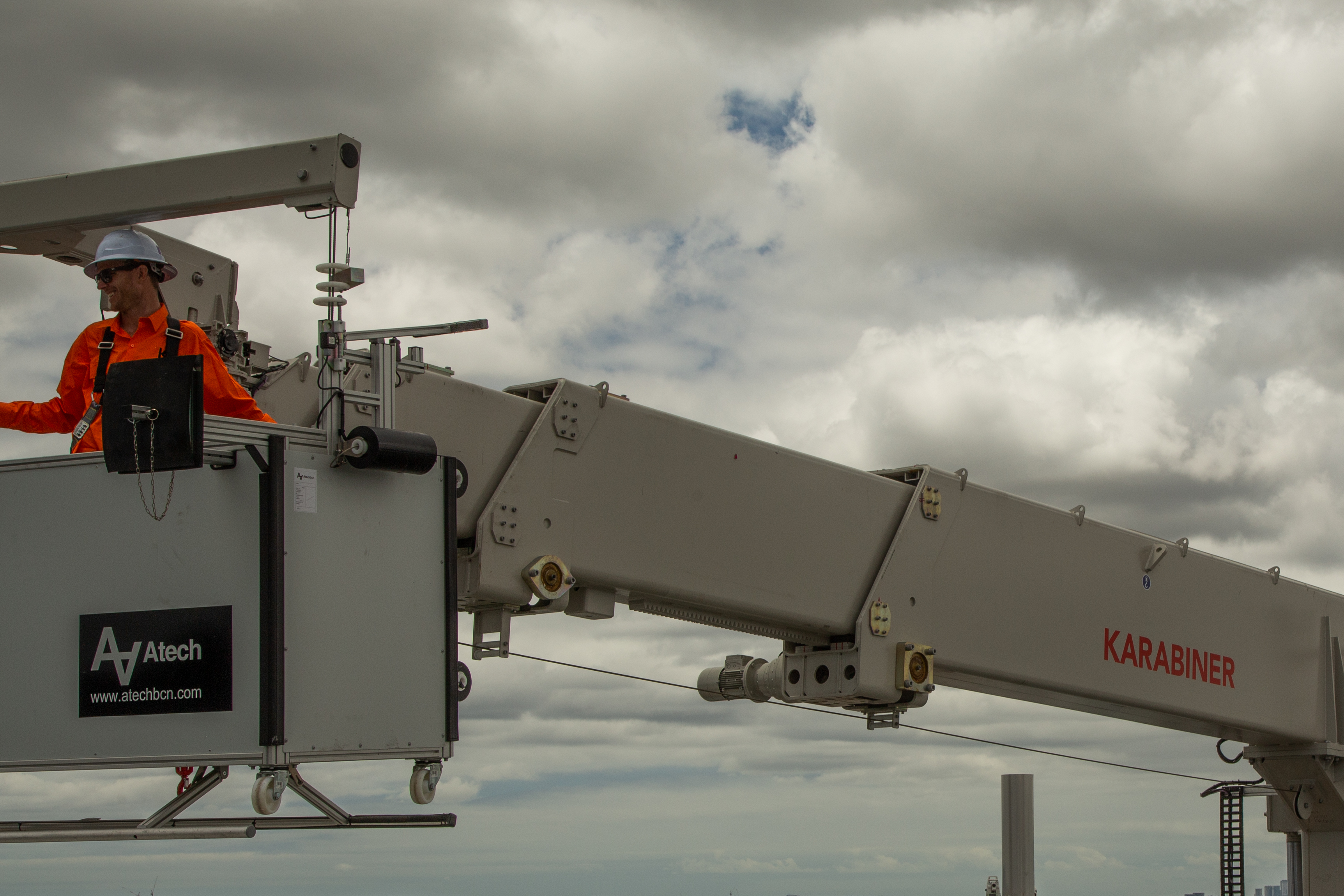
Design, installation and servicing of BMU and facade access systems for high-rise buildings.
The team behind the work
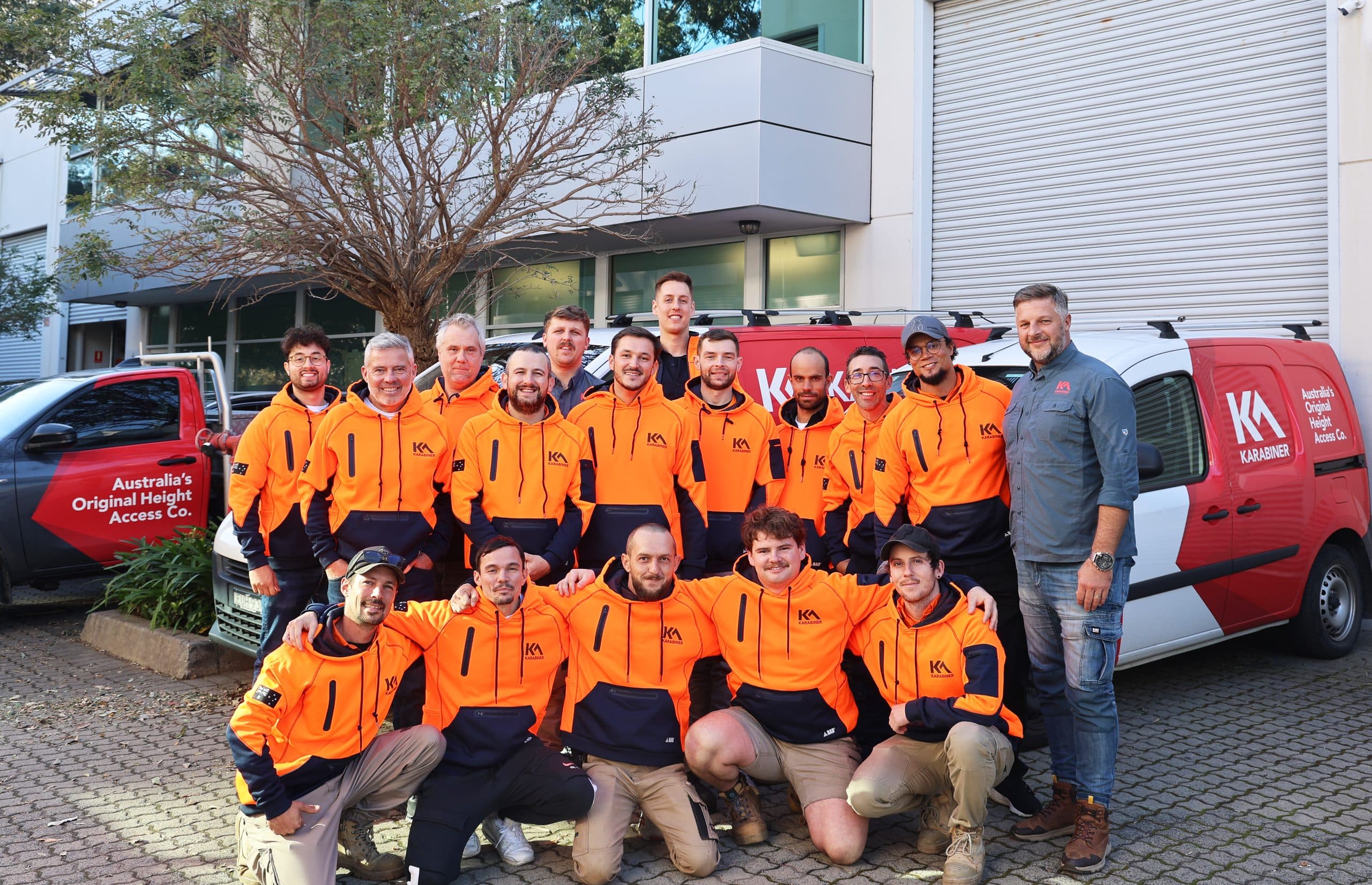
IRATA-qualified technicians and in-house engineers, led by people who have worked at height across Sydney for decades.
Meet our people


COLLABORATION

Karabiner is proud to collaborate with Scannable to deliver a single digital asset register. Through this integration, inspection data and equipment updates flow straight through to our clients, so the record on your building stays current, transparent and under your control. Scannable's platform supports our commitment to precision, efficiency and accountability.
FREQUENTLY ASKED QUESTIONS
It is the process of inspecting and testing an installed height safety system, then issuing documentation that records what was tested, how, by whom, and the result for each item. The certificate covers specific tagged assets on a specific building, not the building in general.
An inspection looks at the hardware: each anchor, line, rail, ladder and harness gets examined and tested. An audit looks at the system around the hardware: whether the asset register matches what is actually on the roof, whether the documentation is complete, and whether there are areas of the building with no fall protection at all.
Yes. Most of what we inspect was installed by somebody else, often years ago and often by more than one contractor. Where an anchor cannot be identified or has no documentation behind it, we tell you that rather than certifying it.
It comes out of service immediately and is tagged out where it sits so nobody clips onto it. We tell you before we leave site, talk through interim controls so the work you had planned can still happen safely, then quote the repair, replacement or redesign. Once the fix is done the item is retested, recertified and the register updated.
It depends on what failed. A corroded fixing on an otherwise sound anchor is usually a repair. An anchor fixed into a substrate that has degraded is a redesign, and that goes back through engineering. Personal equipment such as harnesses and lanyards is replaced rather than repaired.
A report listing every asset with its tag, location and status, photographs of each defect with enough detail to price the fix, certification covering the systems that passed, and a plain list of what has to happen before anything that failed can be used again. The results also go into your digital asset register.
Every asset on the building carries a tag that a phone can scan. The scan brings up that item's history: what it is, where it is, what was found last time, what was repaired and its current status. Inspection data uploads from the field, so the register updates as the work happens rather than weeks later.
Roof access, keys or a swipe for plant rooms and risers, someone who can point us at where the harnesses and lanyards are stored, and one contact who knows what has changed on the roof. Any previous reports, install certification or roof plans help, but we can build the register from scratch if none exist.
Rarely. Most of the work happens on the roof and in plant areas. On a mid-size commercial building the field work is usually a single visit, and larger sites are staged so your tenants, cleaners and contractors are not working around us.
Yes. Portfolio work is a large part of what we do for facility managers, strata managers and asset owners. We consolidate every site onto one register, group visits by geography, and report each building in the same format so you can compare them and plan remediation spend across the portfolio.
Still have a question we haven't covered? Tell us about your project and our team will get back to you.
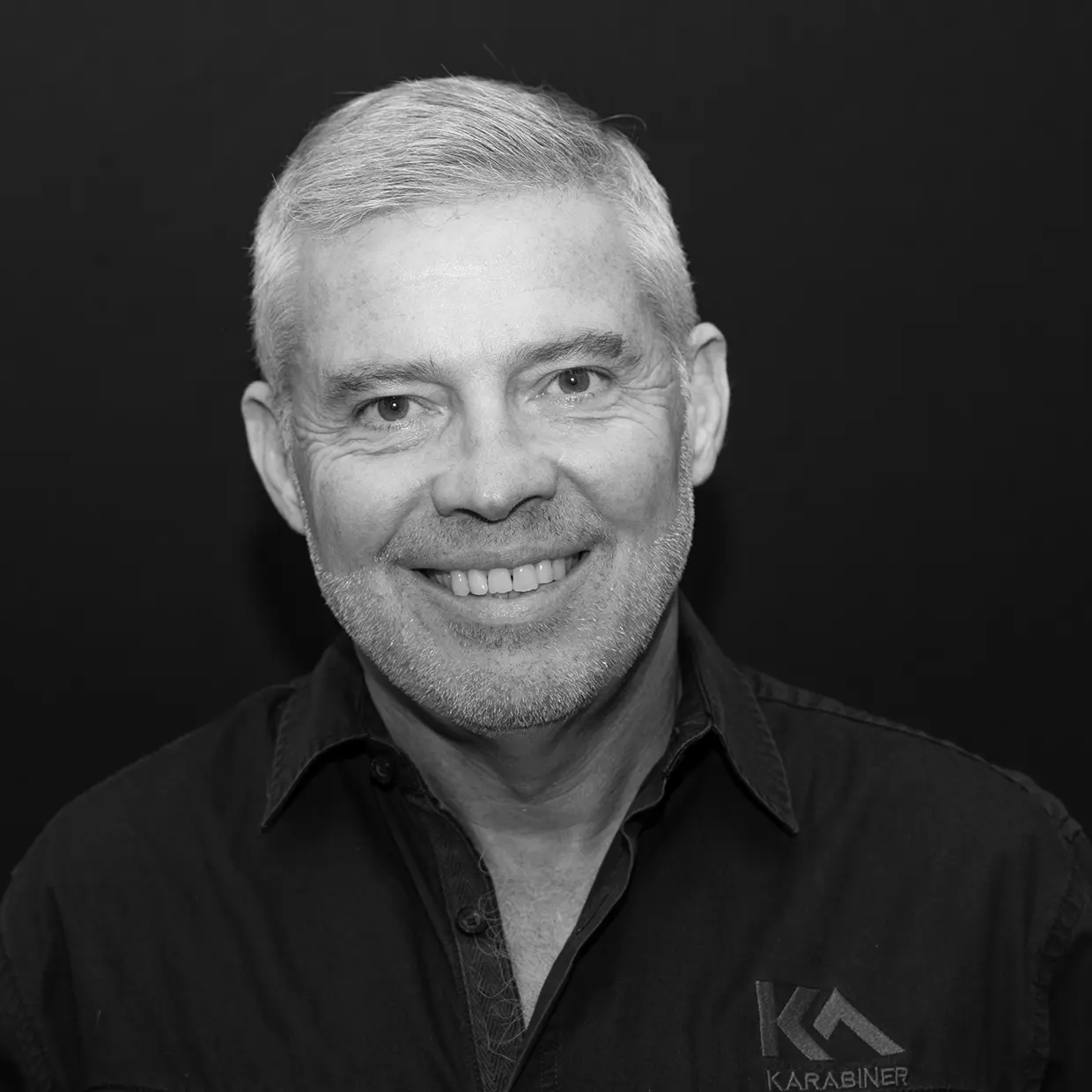
Andrew Ferguson
Founder / CEO
Tell us about your building or project and my team will get back to you with practical, no-obligation options.
Talk to our team
Tell us a bit about your building or project and our team will get back to you. No obligation.