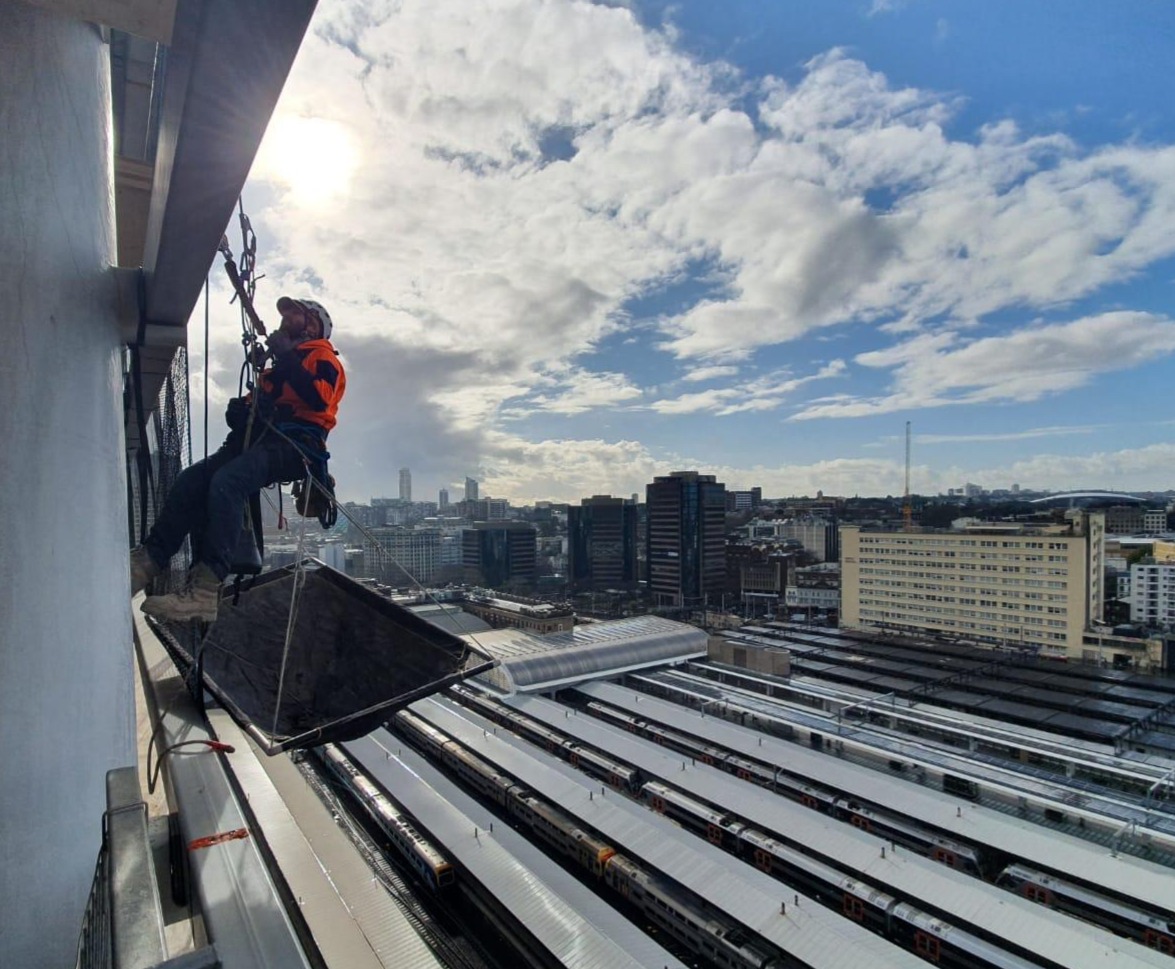

Remedial building works are repairs to an existing building that fix deterioration or defects and get the affected parts back to a sound, weathertight condition. On the outside of a Sydney strata building that usually means concrete cancer, failed sealant joints, cracking, loose cladding fixings, tired coatings and leaking balconies. The work runs in a set order (inspect, scope, repair, recoat), and on a tall building the way you reach the facade can move the price more than the repair itself.
This guide is for strata committees and facility managers planning facade remediation, and it starts with what the NSW Government's own defects research says.
What are remedial building works?
The NSW Government describes remedial building work as "a broad term to define work involving repair or upgrades on existing buildings, or defect rectification or corrective actions on buildings" (Building Commission NSW). That covers one patched slab edge or a full elevation of new window seals.
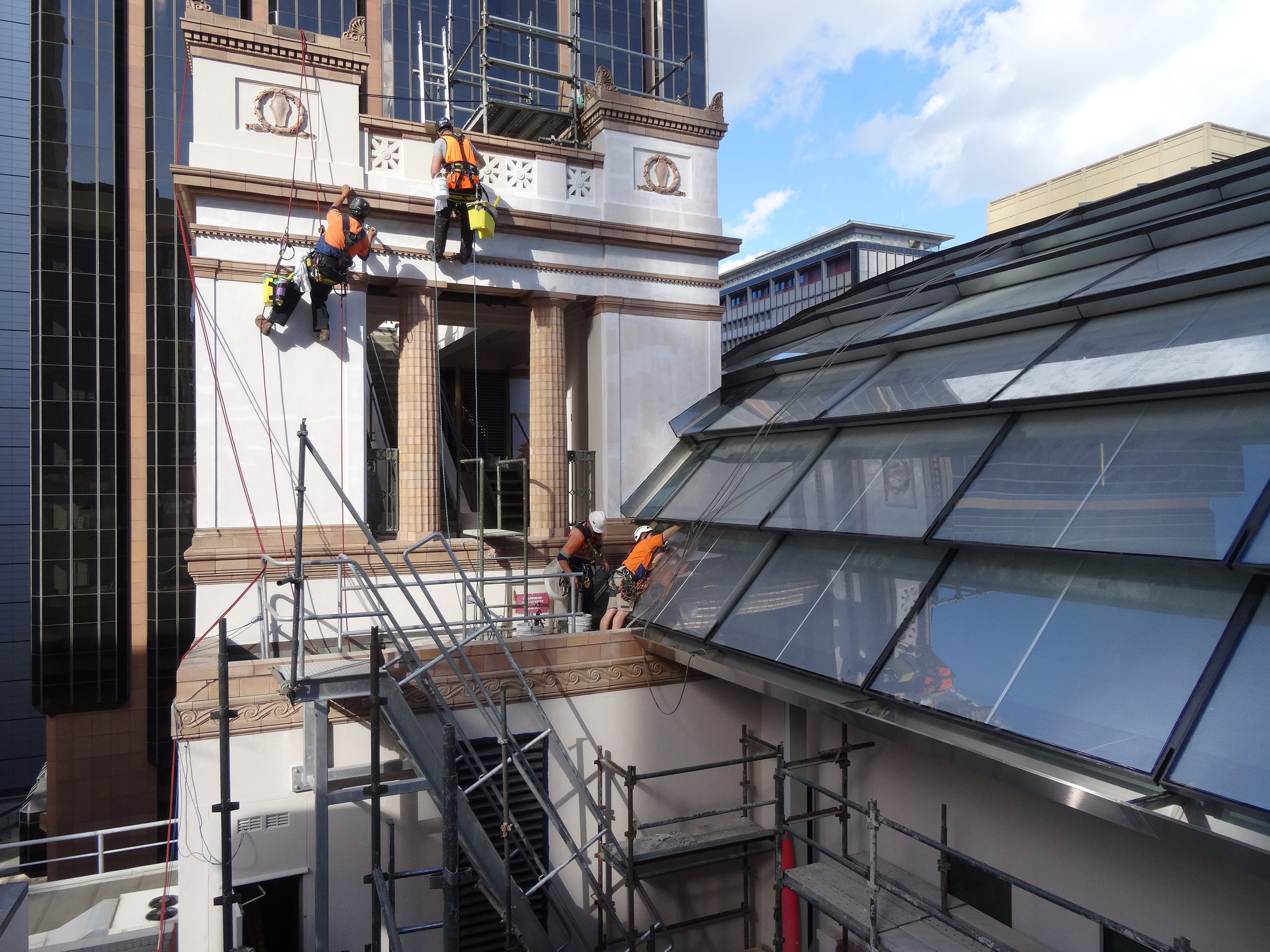
Three terms get mixed up at committee meetings, and the difference decides who pays:
| Maintenance | Remedial works | Warranty rectification | |
|---|---|---|---|
| What it is | Routine upkeep that stops things failing | Repair of something that has already deteriorated or failed | The builder fixing defects in their own work |
| Typical external example | Facade washing, gutter clearing, checking sealant | Concrete cancer repair, resealing failed joints, crack injection, recoating | Waterproofing or facade defects in a recently completed building |
| Who usually pays | Owners corporation, from the budget | Owners corporation, often from the capital works fund or a levy | The builder or developer, through a claim |
| Starts with | A schedule | An inspection and a scope | Expert reports and advice |
If your building is fairly new, check the warranty position first. Building Commission NSW says a homeowner has statutory warranties of 6 years for major defects and 2 years for minor defects, and that for a strata building the owners corporation is the party to complain about defects in common property (Building Commission NSW, building defect complaints). How that applies to your scheme is a question for your strata manager and lawyer, not your contractor.
Remedial work on apartment buildings in NSW has its own rules
Since 1 July 2021, remedial building work on class 2 buildings (apartment buildings, including mixed-use buildings with a class 2 part) has been regulated under the Design and Building Practitioners Act 2020 and its Regulation. Building Commission NSW explains that a registered design practitioner prepares the regulated design, and a building practitioner lodges it on the NSW Planning Portal along with design and building compliance declarations. Some minor work that counts as exempt development is excluded, and genuine emergency work follows a different process (Building Commission NSW).
The same page has a line every committee should read twice: "Owners corporations are encouraged to undertake thorough investigations prior to committing to a remedial project."
What do the NSW strata defects surveys show?
Every two years Building Commission NSW (before it, the Office of the Building Commissioner) works with Strata Community Association NSW to survey strata managers about serious defects in newer apartment buildings (NSW strata defects survey). Here are the headline figures from the three published reports, side by side.
| Measure | 2021 | 2023 | 2025 |
|---|---|---|---|
| Buildings in the survey | 492 | 642 | 520 |
| Buildings with serious defects in common property | 39% | 53% | 53% |
| Of buildings with serious defects, share reported to the regulator | 15% | 34% | 36% |
| Waterproofing defects (share of all buildings) | 23% | 42% | 44% |
| Fire safety system defects | 14% | 24% | 28% |
| Building enclosure defects (facade, doors, windows) | 9% | 19% | 23% |
| Structural defects | 9% | 15% | 18% |
| Key services defects | 5% | 14% | 15% |
| Non-compliant cladding | 6% | 8% | 2% |
Sources: 2021 research report, 2023 survey report, 2025 research report.
Don't read this as a trend line. The reports warn against it:
- 2021 is a baseline, not a comparison point. In 2021 strata managers weren't given a list of defect types. The 2023 report says the jump from 39% to 53% "may be just as attributable to the change in the question wording (and probably more so)" than a real increase, and that the category figures can't be compared directly. The 2025 report compares itself with 2023 only.
- 2023 to 2025 is mostly flat. The 2025 report says the mix of defect types was similar to 2023, with the exception of cladding. It also says a change of about 6 points is needed near 50% to be statistically significant, so moves of two to four points mean little.
- These are newer buildings. Each survey covered class 2 buildings of about four storeys or more, inside the six year major defects warranty window: schemes registered July 2016 to June 2022 for 2023, July 2018 to June 2024 for 2025.
What do the numbers mean for remedial work on the outside of your building?
This is our reading as a rope access contractor, not the Commission's.
Water is the main enemy. Waterproofing has topped all three surveys and sat at 44% of buildings in 2025. Not all of that is facade work. But building enclosures (facade, doors, windows) came third at 23%, and together these are the defects most likely to need someone over the edge of your roof. In our experience a "leak" is rarely one leak. It's a joint, a window perimeter and a crack feeding the same ceiling stain.
Defects keep surfacing as the building ages. In the 2023 survey, 46% of 2018-registered buildings had a waterproofing defect. By 2025 the same group was at 66%, and its structural and key services defects had also risen significantly. The 2025 report calls it a "detection lag". What it means for you: a clean report at year two doesn't mean a clean building at year six.
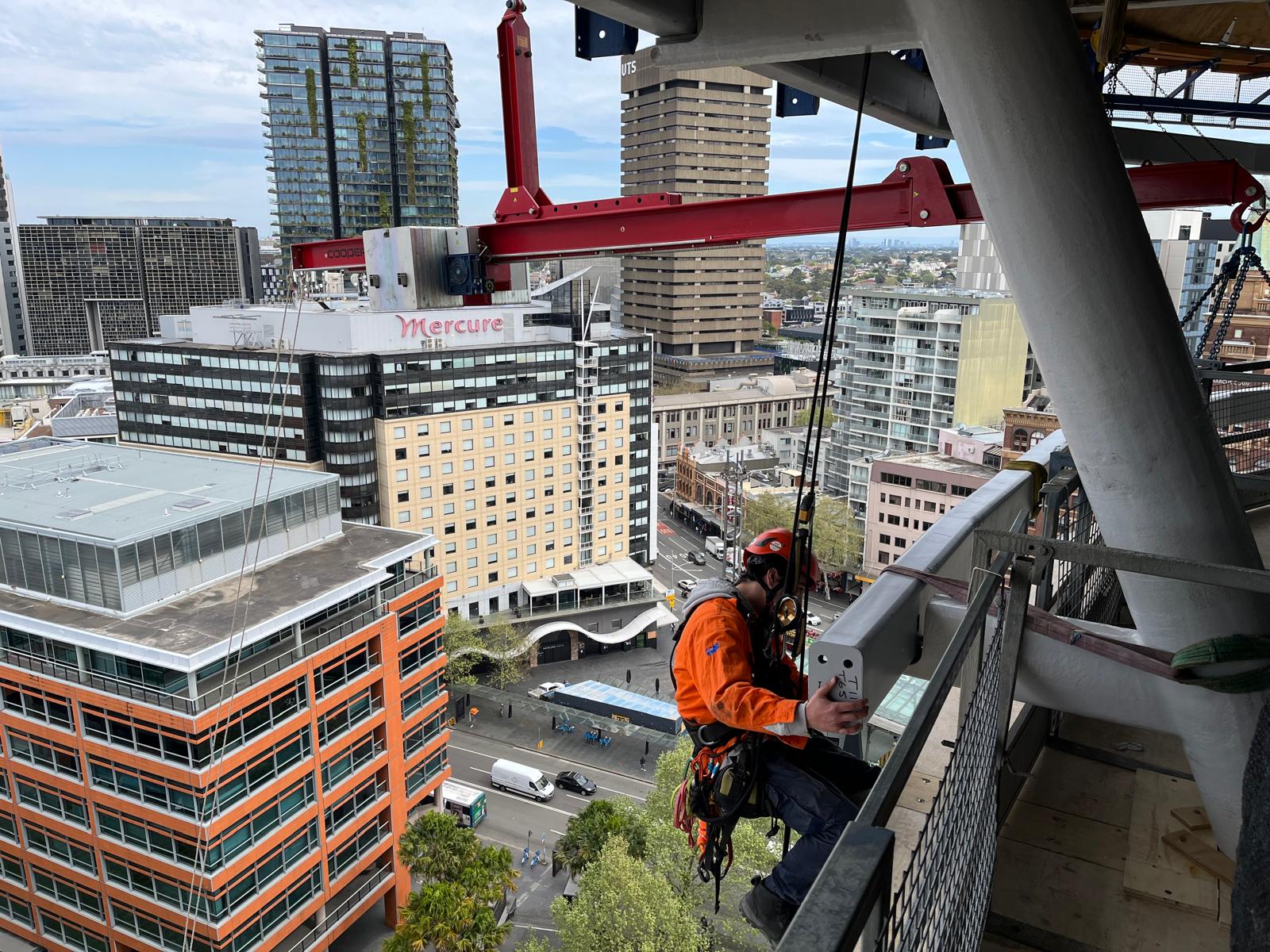
Routine inspections catch a minority. Among 2025 buildings with serious defects, the most common ways the defects were first found were reports from occupants (63%) and independent advice (58%). Routine inspection reports were cited for 24%. Managers could tick more than one. A facade seen from the street or a balcony hides a lot. Tapping render and probing sealant needs someone on the face of the building. That's why we push for a close-range rope access facade inspection before anyone writes a scope. It's the same access our rope access maintenance crews use for the repairs.
Cladding has dropped down the list. Non-compliant cladding fell from 8% of buildings in the 2023 survey to 2% in 2025, and the 2025 report found none in buildings registered from 2020 onward. For most committees today the remedial money goes on water, concrete and joints.
Owners are reporting more. The reports themselves track reporting to the regulator, from 15% of buildings with serious defects in 2021 to 34% in 2023 and 36% in 2025. If you end up reporting, dated photos from a proper inspection help.
What does facade remediation include?
Concrete cancer and spalling. Water and chlorides reach the steel reinforcement. It rusts, swells and pushes the concrete cover off. Slab edges, balcony soffits and window heads are the usual spots. Our guide to what concrete cancer is explains the mechanism, and the concrete cancer repair cost guide covers what drives the price. Scattered patches are a good fit for concrete repairs carried out from ropes.
Sealant and movement joints. Cheap to replace. Expensive to ignore, because a failed joint lets water into the wall and starts everything above.
Cracks. Some are cosmetic, some are symptoms. Get an engineer to say which before anyone fills them.
Cladding and fixings. Loose panels, corroded brackets, failed fixings. Usually found at inspection, often fixed from ropes.
Coatings. Recoating is the last step, not the first. Fresh paint over unrepaired concrete or failed joints is money spent twice.
Balconies, planters and balustrades. The 2023 report gives leaks from planters and balconies, and serious defects with balustrades, as examples of defects that were more obvious to residents. The membrane is often reached from inside the unit. The slab edge, soffit and balustrade fixings are external work.
How does a remedial building project run?
Jobs that stay on budget follow the same order. Skip a step and it comes back as a variation.
- Inspect up close. Get a condition report with photos, locations and quantities. A drone is fine for a first look. Defects you have to touch need hands on the facade.
- Scope and specify. A remedial engineer or consultant turns the findings into a scope of works with repair methods and quantities. On a class 2 building this is also where the regulated design sits.
- Plan access and check the roof. Decide how each elevation will be reached, and confirm the anchors and davits you plan to use are certified (more on that below).
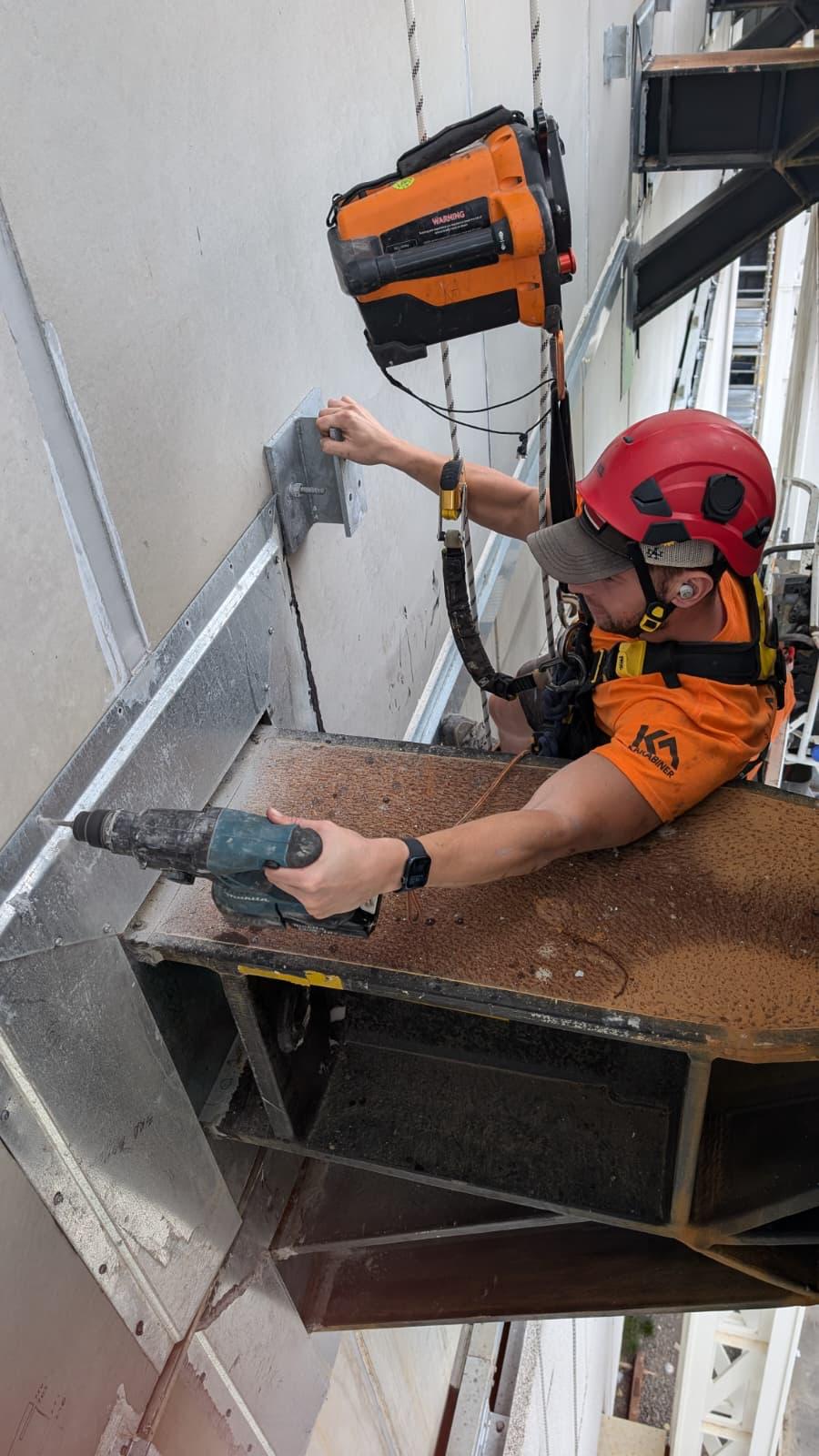
- Repair. Concrete repairs, crack injection, joint replacement, new fixings, all to the specification.
- Seal and recoat. Only once the substrate is sound.
- Hand over records. Marked-up elevations, photos and product data, so the next committee knows what was done and where.
Steps 4 and 5 are covered in rope access remedial work and facade repairs, and planned facade work in strata building maintenance and facade access.
Rope access, swing stage or scaffold: how is access chosen?
On a mid or high-rise building, access is usually the line item that moves most. Materials for fifty concrete patches cost much the same whichever method you use. Getting to them doesn't: set-up time, hire duration, ground space, permits and disruption to residents.
| Access method | Suits | What drives the cost |
|---|---|---|
| Rope access | Scattered defects across many drops, occupied buildings, tight or no ground access, inspection | Number of drops and rigging moves, condition of roof anchors |
| Swing stage | Longer runs on one elevation, work needing a platform for two or more people | Set-up and dismantle time, regular facade shape needed |
| Scaffold | Full-facade programmes, heavy breakout, several trades working at once | Erection time, hire duration, ground space and permits |
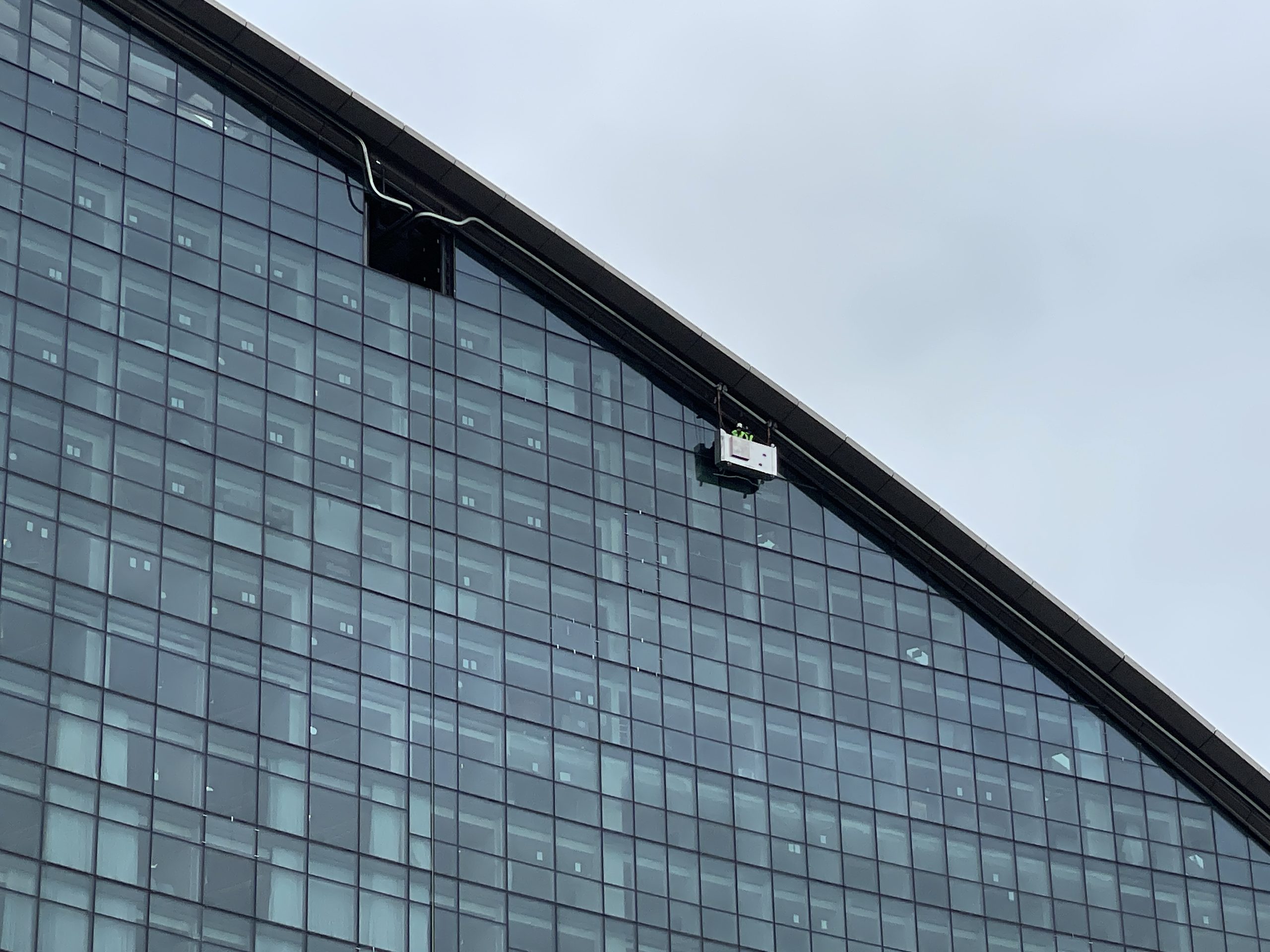
| Existing BMU | Buildings that already have one in certified condition | Machine availability and certification status |
Rope access suits a lot of strata remedial programmes because the defects tend to be scattered: a few spalls on one elevation, a run of joints on another. It's the wrong call for heavy breakout or for programmes where several trades need to work side by side. Our comparison of rope access vs swing stage vs scaffolding goes through each case.
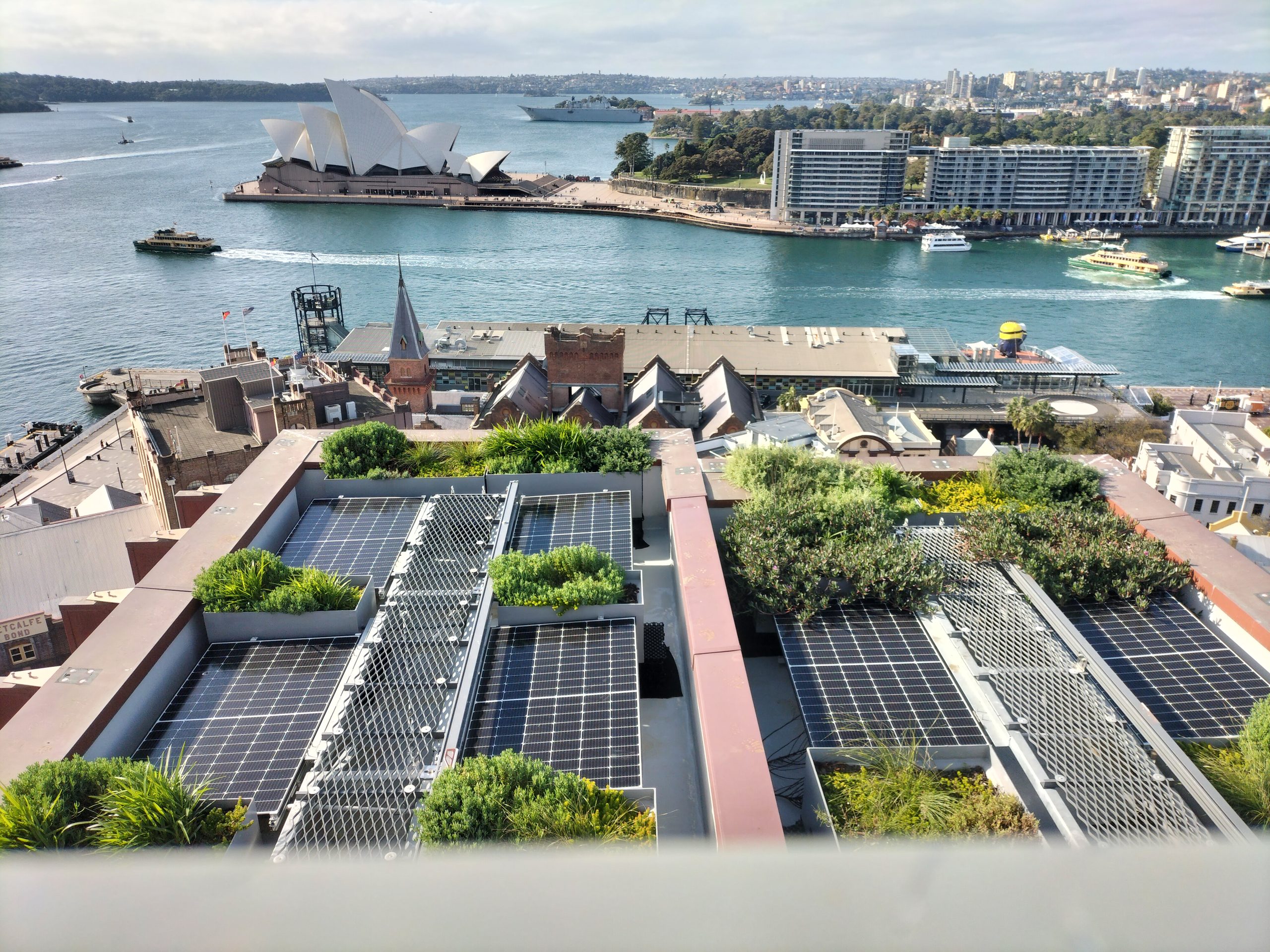
Our rope access maintenance at Atlassian in Sydney is the kind of job ropes are made for. On towers with permanent equipment, such as 88 Walker Street in North Sydney where we installed fall protection, rope access systems and a BMU, the access plan starts with what's already on the roof.
Check the roof anchors before anyone rigs
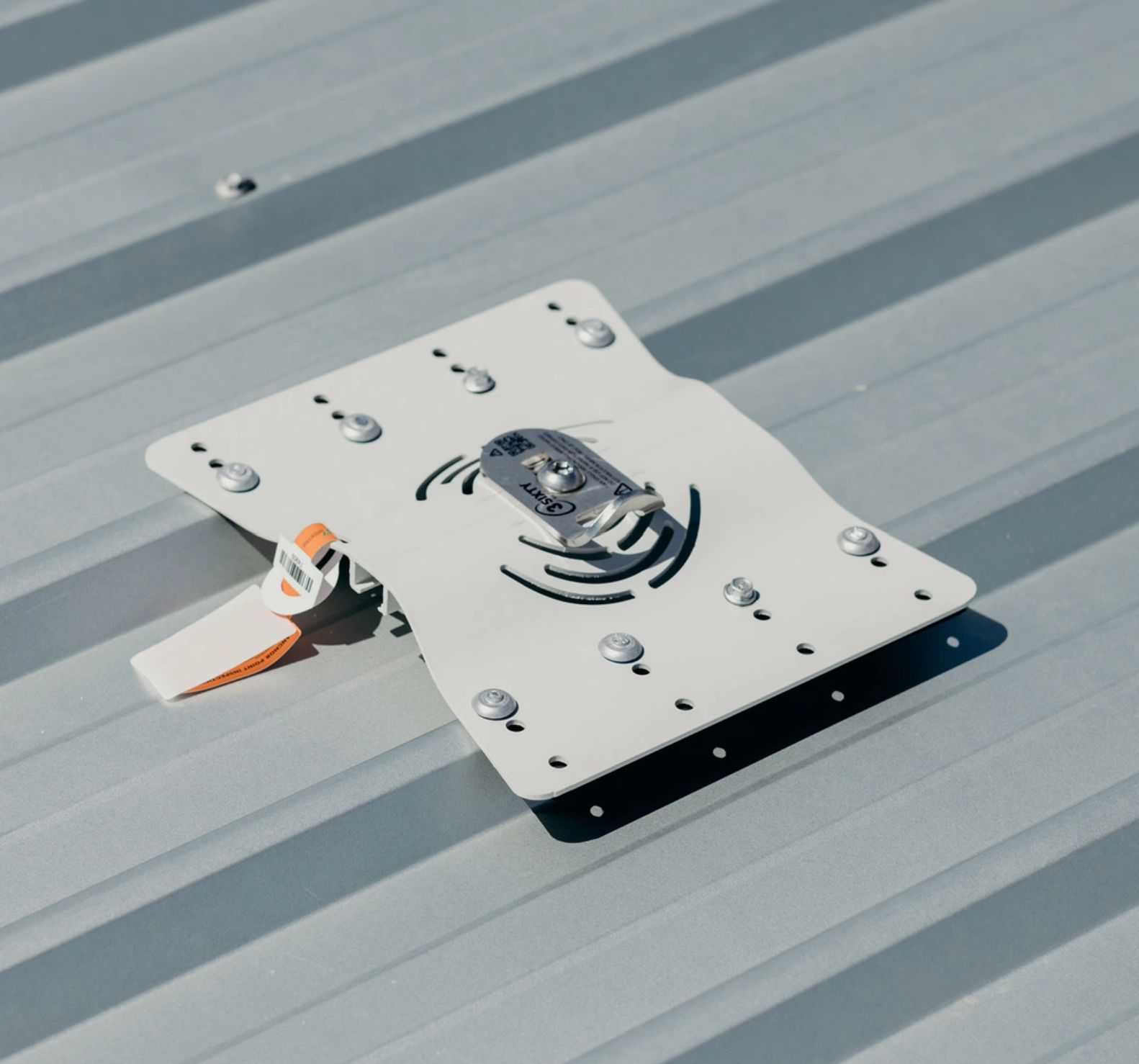
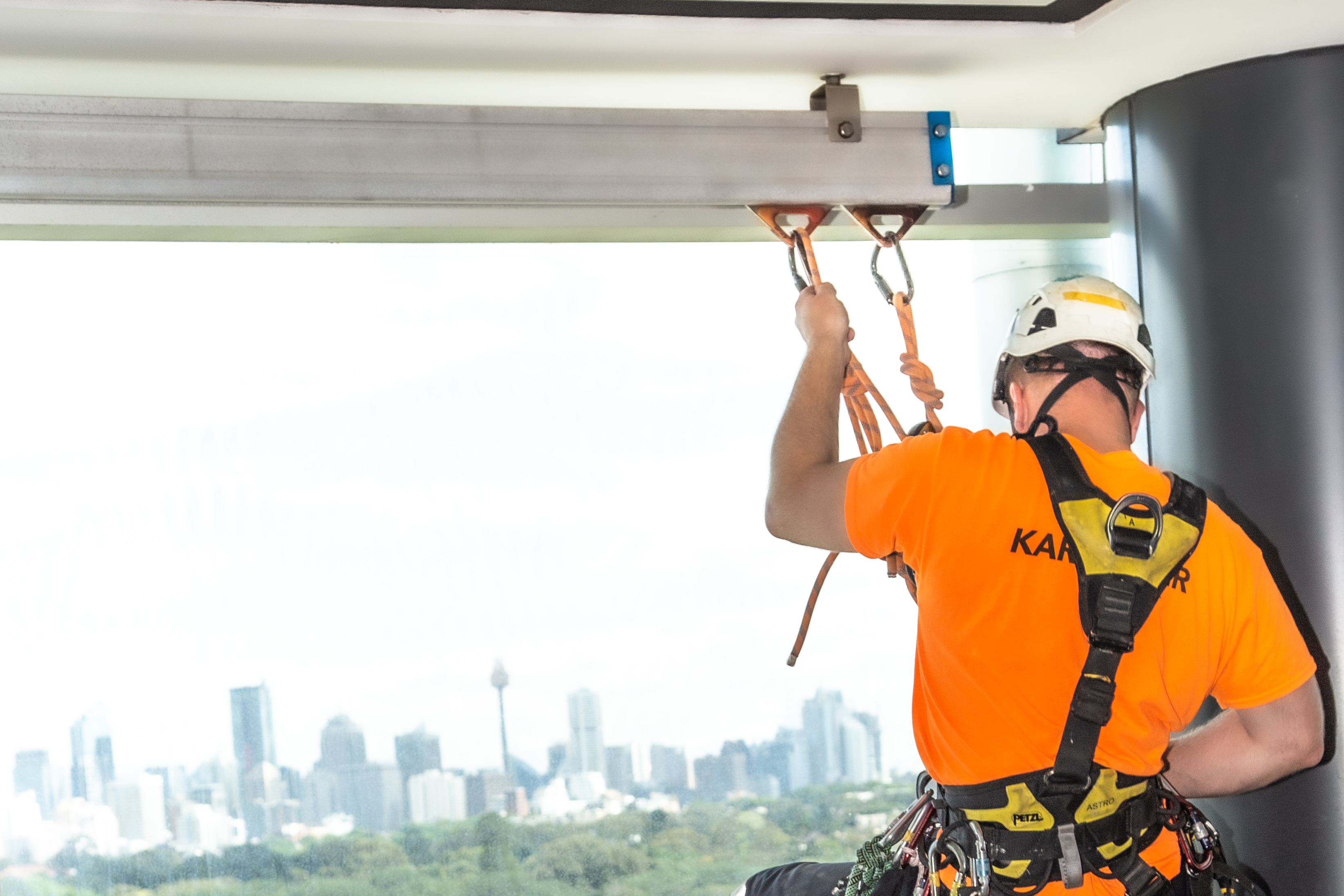
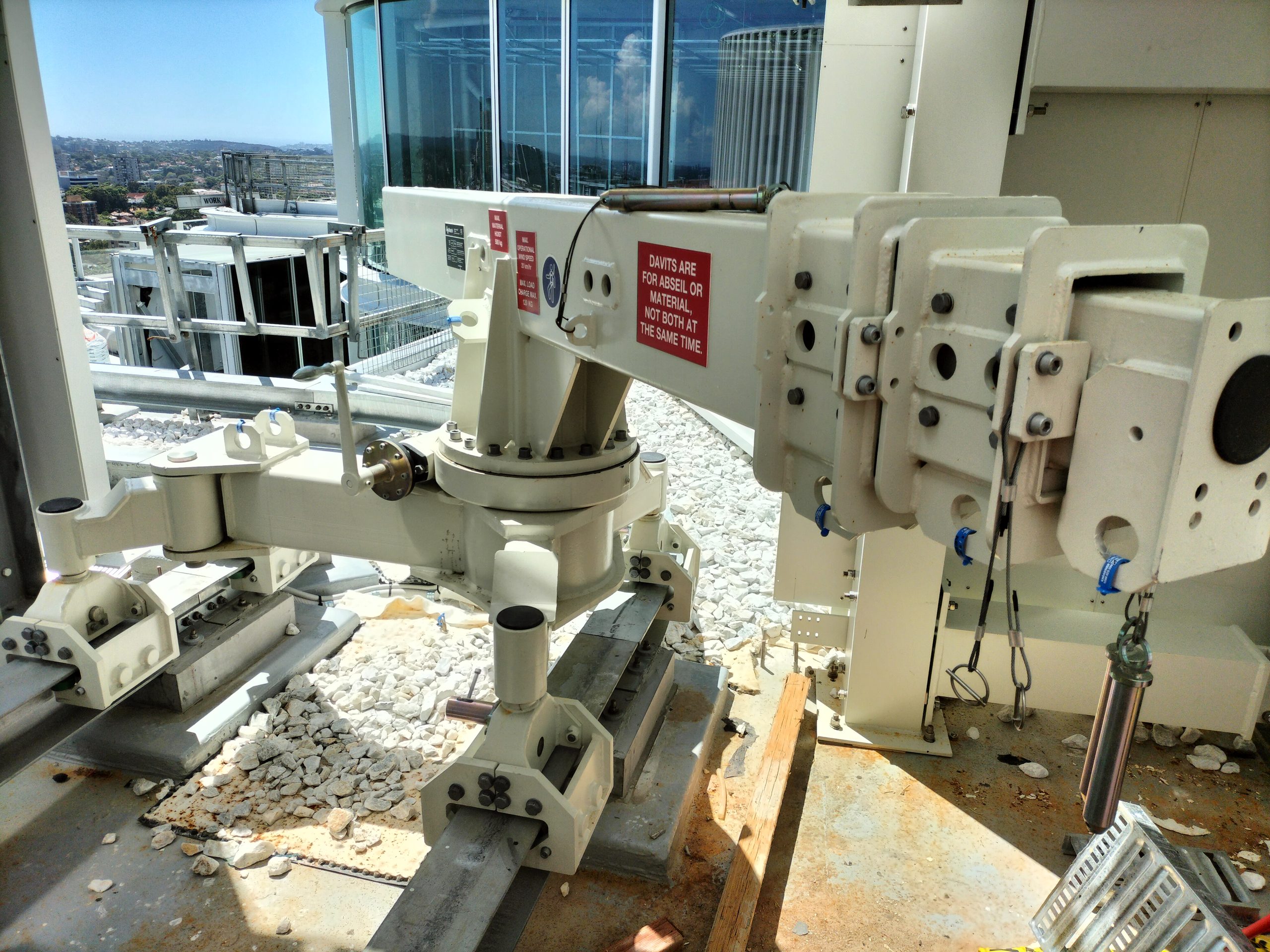
Easy to miss. Before a contractor rigs from your roof, ask for current certification records for every anchor, davit and rail they plan to use. Tags out of date, or no paperwork? Get them tested first. A programme that stops on day one because the anchors can't be used is a mobilisation paid for nothing.
Our anchor point testing service does this, and our guide to roof anchor points, Australian Standards, installation and inspection explains what certification covers. If the same anchors serve your window cleaner, strata window cleaning, anchor points and access is worth a read too.
What should you have ready before you get quotes?
Quotes only compare if everyone prices the same thing. Have these ready:
- The scope of works from your engineer or consultant, with quantities and marked-up elevations.
- Previous reports: inspection reports, defect registers and any warranty claim correspondence.
- Plans and drawings, including a roof layout showing anchors, davits and access points.
- Anchor and davit certification records, with dates.
- Access arrangements: keys, lift bookings, loading dock, and the working hours your by-laws allow.
Then insist on a site visit. We walk the roof before we quote, because the roof decides access.
Red flags in remedial quotes
- A price without a site visit. Nobody can price access on a roof they haven't seen.
- A lump sum with no quantities. Expect variations.
- Coating before repair. If the quote leads with paint, ask about the cracks and joints.
- Vague access. "Access by contractor" tells you nothing. Ask which method, on which elevation, rigged from what.
- Silence on anchor certification. If they plan to rig from your roof, they should be asking you about it.
- No answer on regulated design. On a class 2 building, ask who is preparing and lodging the design and declarations.
- No evidence of competence. Ask to see the technicians' rope access certifications and trade qualifications. Our rope access technicians are IRATA certified and also hold trades.
Services this involves
Trusted by Australia's leading builders
_logo.svg.png)