loading...
BUILDING MAINTENANCE UNIT (BMU) INSTALLATION SYDNEY
Custom-designed building maintenance units and facade access systems for high-rise buildings, as the exclusive authorised Atech BCN installer in Australia.
- Custom BMU design & installation
- Facade access for high-rise buildings
- Exclusive Atech BCN installer in Australia
- Servicing & maintenance for the life of the building
Talk to our team
Tell us a bit about your building or project and our team will get back to you. No obligation.


500+
Projects completed
100%
Safety record
34+
Years, since 1991
 IRATA certifiedRope access technicians
 WAHA memberWorking at Height Association
 CM3 prequalifiedContractor safety prequalification
- Australian StandardsDesigned & certified to Standard
- In-house engineeringDesign, install & certify
Every tower ends up with the same problem. The glass has to be cleaned, the sealant has to be checked, and sooner or later a panel needs replacing 40 storeys above the footpath. The machine that gets a worker safely out to that panel is the building maintenance unit parked on the roof.
- The Atech BCN rangeSingle jib, high performance and large dimension single jib, multi-slewing mono-jib and luffing machines.
- Who it is forArchitects, developers and builders at design stage, and owners with a machine already on the roof.
- Design through to commissioningFacade access set out in the roof plan, then installed and commissioned on site.
- Servicing, refurbishment or replacementIncluding the machines we did not install ourselves.
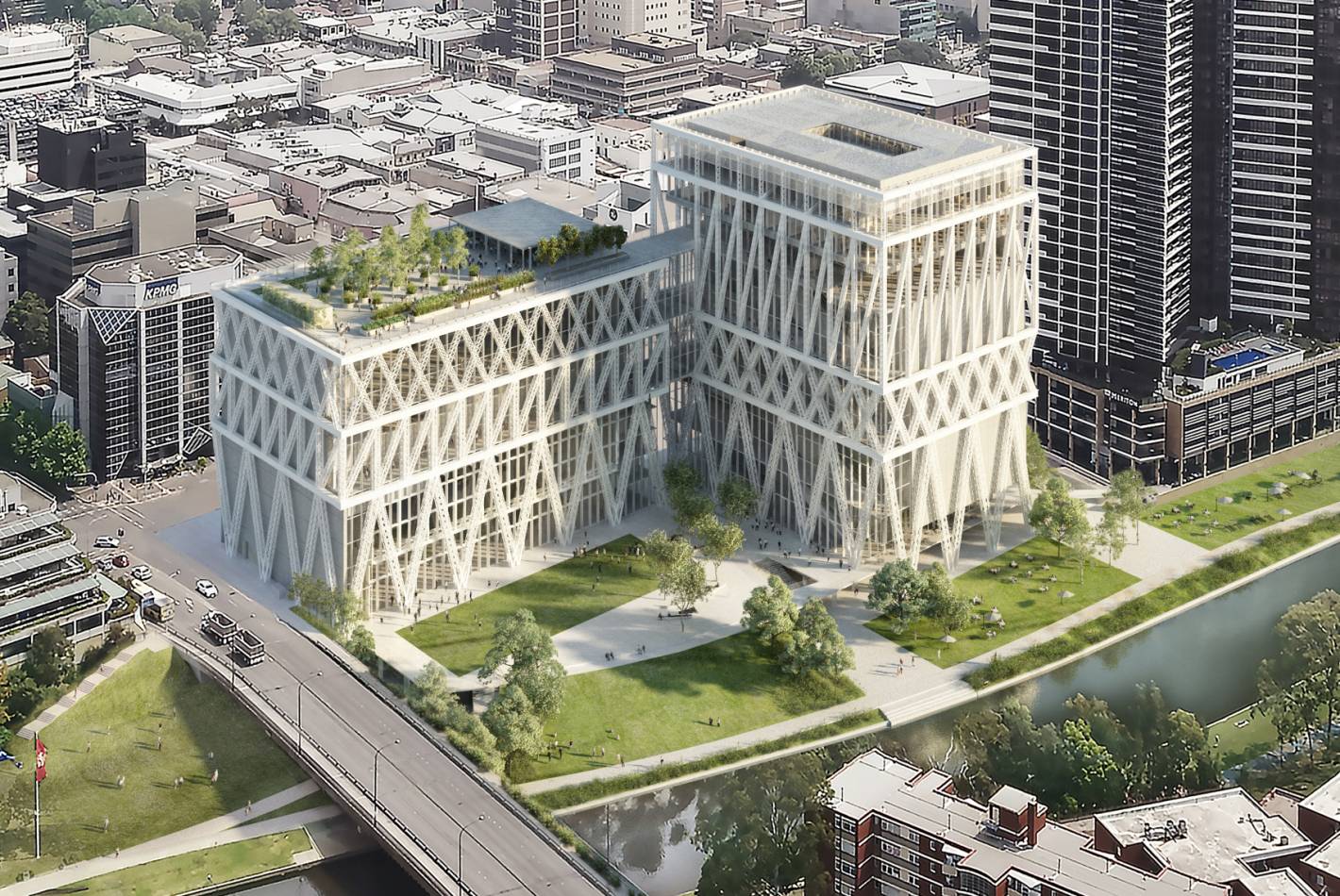
A building maintenance unit is usually the last item anyone thinks about, and the one that quietly decides what else fits on the roof. Karabiner is the exclusive authorised Atech BCN installer and distributor in Australia. We work with architects, developers and builders to design facade access into a tower before the roof plan is locked, install and commission the machine, then service it for the life of the building. If you have inherited a unit on a roof and want it looked after properly, that is our work too. You can see our BMU and safe access work at the UNSW Health Translation Hub, or talk to our engineering team about your building.
What a building maintenance unit does
A building maintenance unit is permanent plant. The machine is fixed or tracked to the roof and stays there for the life of the building, the same way a chiller or a lift motor does.
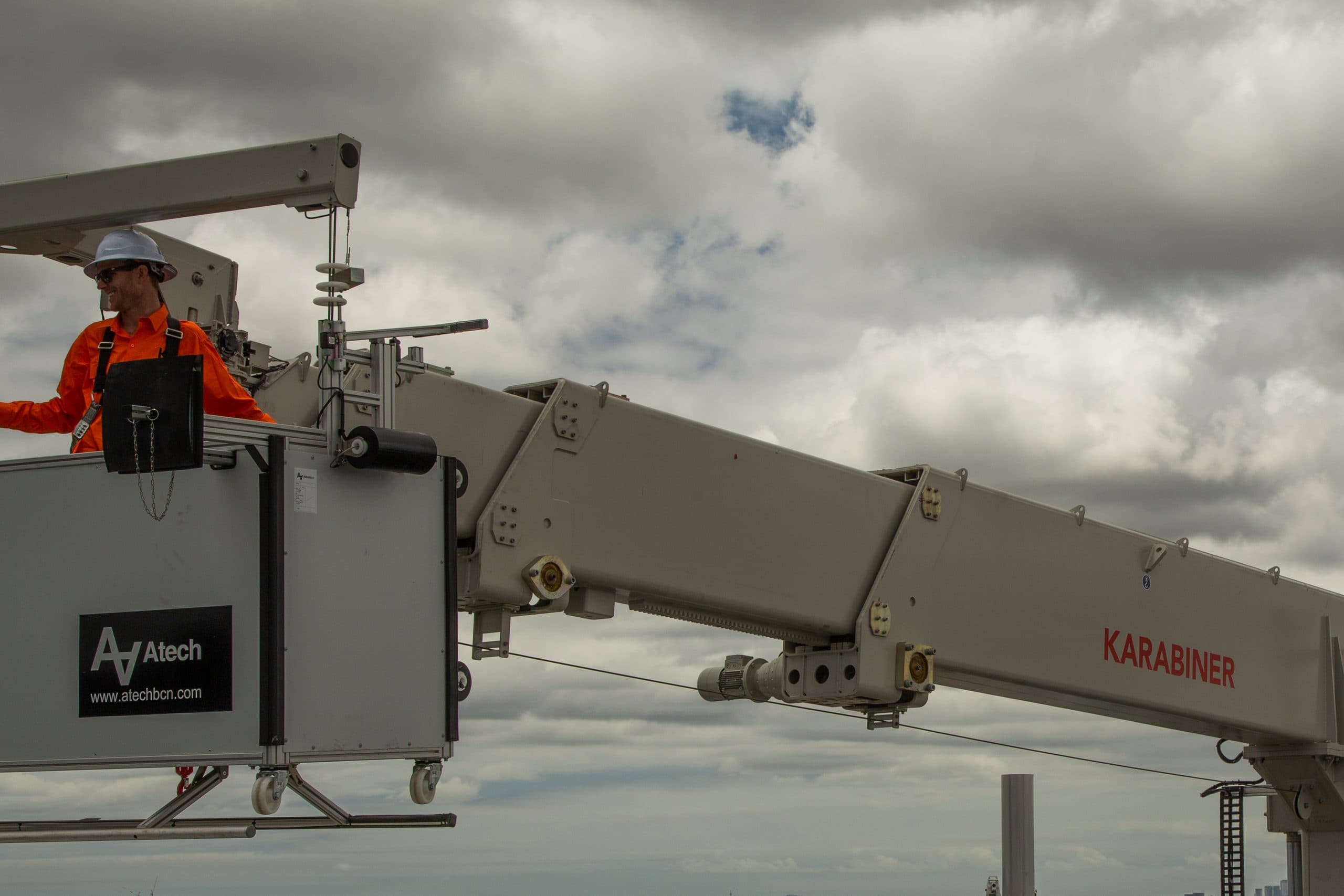
A jib reaches out over the parapet, a cradle hangs off it on wire ropes, and workers ride that cradle down the facade to clean glass, replace glazing, inspect sealant and carry out repairs. When the work finishes, the machine returns to its parking position, usually behind a roof screen where nobody at street level can see it.
That permanence is what separates a BMU from the alternatives.
| Facade access option | What it is, and where it fits |
|---|---|
| Swing stage | Temporary gear, rigged for one job and taken away afterwards. |
| Rope access | Puts technicians on ropes off roof anchors, which suits awkward geometry, one-off repairs and buildings with no machine at all. |
| Davit arms | Sit in sockets around the roof and take a portable arm, which is fine on a smaller or simpler building but slow to move around a large one. |
| Building maintenance unit | What you build in when the facade is tall enough, wide enough or complicated enough to need its own dedicated access plant. |
The permanent height safety systems on the roof normally go in alongside the machine.
Exclusive Authorised installer & distributor
Authorised installer & distributorAtech BCN partnership
Karabiner is the exclusive authorised installer and distributor of Atech BCN building maintenance units in Australia. The partnership pairs advanced European BMU engineering with our local design, installation and compliance, so each system is tailored to the building it serves.
- Global BMU leader
- 35+ countries presence
- Custom engineering solutions
What we deliver
InstallationMaintenanceSupport
Designing or refurbishing a building?
Plan facade access early. Tell us about the project and we'll advise.
Atech BMU range
Atech BCN builds a range rather than one machine, because a nine-storey office block in Chatswood and a supertall on the harbour are not the same access problem. What separates the models is height, how far the cradle has to reach across the facade, and how much roof there is to park on. Below is what each type is built for and what it will want from your roof. Not sure which one suits your building? Talk to our team.
| Model | What it is | What it suits | Roof space |
|---|---|---|---|
 A1 Single jib Best for lower-rise buildings with regular facades. | Single jib machines with a slewing system for outreaches of up to 4m and a building height of less than 150m. Very light machines with excellent features for accessing regular facades. | Mid-rise commercial offices, hotels and residential towers with a flat, regular facade. The workhorse on suburban Sydney buildings and on podium levels of larger developments. | The lightest machine in the range, so it asks the least of the roof. A short track run near the parapet and a small screened parking bay is usually enough. |
 A15 High performance single jib Best for tall towers that need long horizontal reach. | High performance single jib cradles, with slewing jib and spreader bars, luffing and telescopic jibs, horizontal outreaches of up to 35m and building height over 500m. It incorporates any kind of accessory or additional auxiliary load device. | Tall commercial towers where the cradle has to travel a long way out from the roof line, and buildings with wide floor plates, deep setbacks or podium roofs the machine has to reach across. | Wants a proper plant zone. The jib, spreader bars and telescopic sections all have to fold into the parking position, so roof area and structural support are reserved for it at design stage. |
 A25 Large dimensions single jib Best for supertall or complex facades with heavy access needs. | Single jib machine of large dimensions, with horizontal work scope at up to 50m and building height at up to 600m. Vertical telescopic masts hide the machine when it is not in use, with telescopic jibs of up to 5 stages, a special pivoting cradle, an auxiliary hoist for raising heavy loads and electronic programming. | Supertall and landmark towers with heavy, frequent facade access, and buildings where the owner or the planning approval will not accept a machine visible on the skyline. | The largest footprint in the range. The vertical telescopic masts drop the machine below the roof line when parked, so the recess or screened plant area has to be planned in, not retrofitted. |
 A18 Multi-slewing mono-jib Best for large roofs that need multi-directional reach. | Multi-slewing mono-jib equipment of large dimensions, with horizontal working range up to 50m and building height of 600m. Jibs and telescopic columns, an auxiliary hoist for lifting loads and special cradles. | Large roof plates and towers with elevations running in several directions, including re-entrant corners and blade walls, where one multi-slewing machine covers what would otherwise take two units. | Needs open roof for the slewing arcs as well as room for the telescopic columns. It works best on a building with a dedicated maintenance level rather than a crowded plant deck. |
 Luffing type Maximum efficiency at the parking position Best for rooftops with limited parking space for the machine. | This type of BMU gives maximum efficiency at the parking position, folding away to hide the machine when it is not in use and where the space for parking is small. | Buildings where the roof is already spoken for by plant, lift overruns, solar arrays or a rooftop terrace, and the architect has very little left to give the machine. | Built for the tightest parking positions in the range. The jib folds down into the parked footprint, so the unit can sit behind a screen on a roof that could not take a fixed jib. |
Choosing the right BMU for your building
Height is the first filter and the easiest one. It sets the rope length and the hoist, and on the taller machines it decides whether you are looking at a telescopic mast at all. After that the decisions get more interesting.
- Facade geometry does most of the workA flat rectangular tower is simple. Setbacks, returns, re-entrant corners, atrium voids, blade walls, raked glass and a podium that steps out below the tower all change how far the cradle has to reach and where it has to be able to sit. A machine that covers one elevation beautifully and cannot get into the corner of another has not solved your problem, so we map the reach envelope against the real elevations before anyone commits to a model.
- Roof space catches most projectsThe machine needs somewhere to park, room to slew, a track to run on and clear air for the jib. Roofs are also where the chillers, the lift overruns, the exhaust risers and increasingly the solar array live. Whoever gets there first wins, which is why facade access belongs in the roof plan from the start.
- Appearance matters more than engineers expectOwners, architects and consent authorities rarely want a machine visible from the street or from the tower next door, so telescopic masts, folding jibs and screened parking bays get specified for reasons that have nothing to do with access.
Then the practical items.
- The cradleWhat it has to carry, and how many people work from it.
- WindHow the building behaves at the height the cradle operates, because a tower on the harbour edge is a different proposition to one in a sheltered street.
- Power supply and isolation at the machine
- Controls and getting outWhere the unit is controlled from, and how a worker gets out of a cradle that has stopped.
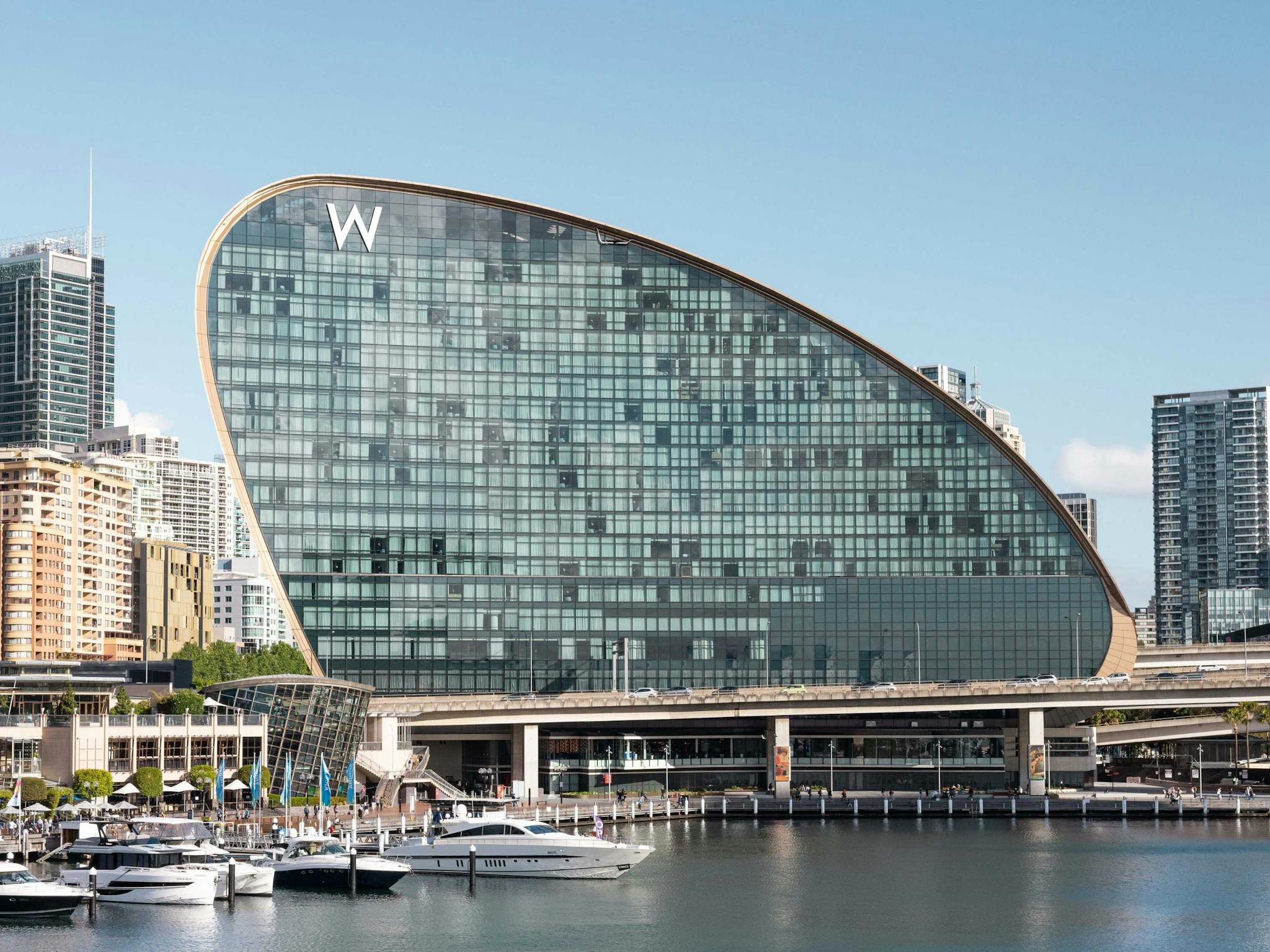
Curved and faceted facades like The Ribbon at Darling Harbour are where these questions stop being theoretical. If you are weighing a machine against ropes for routine cleaning, our comparison of rope access versus a BMU for high-rise window cleaning covers the trade-offs.
Designing a BMU into a new building
The cheapest time to solve facade access is while the roof is still a drawing. The most expensive is after the slab is poured.
A building maintenance unit is not an appliance you buy at practical completion. It needs:
- Structural provision in the roof slab or the steel
- A track or fixed bases set out to suit the facade
- Power and isolation at the machine
- A parking position the architect has agreed to
- Often a recess or screenTo keep the machine out of sight.
Every one of those is a design decision that sits with the structural engineer and the architect, not with whoever is left holding the job at handover.
Bring us in at concept or early design development. At that stage we can:
- Read the elevations and the roof plan
- Tell you which machine type genuinely covers the facade
- Mark up the reach envelope
- Brief the structural engineerThe fixing points and loads to design to.
- Reserve the roof areaBefore the services engineer fills it.
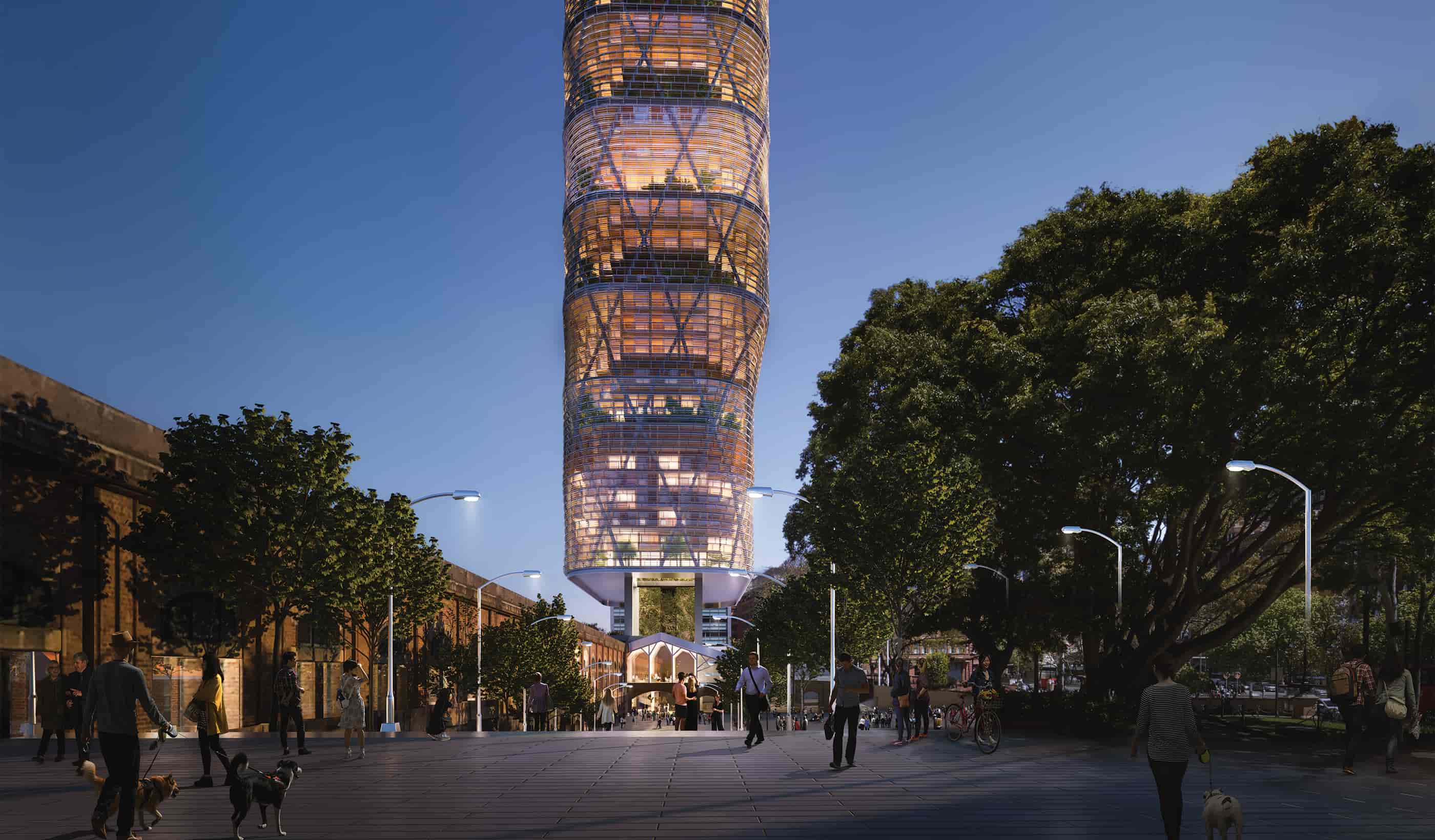
We do the same work on complex public buildings, including facade access at Powerhouse Parramatta.
What the architect needs to hold is the parking footprint, the slew and jib clearances, the track alignment, the concealment and safe access for the crew to reach and operate the machine. Reserve that early and the rest is procurement. Our engineering and project team sits in design workshops with head contractors and developers across Sydney, and we would much rather have the conversation now than explain later why the machine cannot reach the eastern return.
Still holding the roof plan?
Send us the elevations and we will mark up the reach envelope and the parking footprint.
Servicing and support
A BMU is machinery, and it lives outdoors on a roof in salt air. Wire ropes, hoists, brakes, limit switches, controls, cable reels, wheels, track, the cradle and its safety devices all wear, and most of that wear happens where nobody is looking.
Servicing means going over the mechanical and electrical parts of the plant properly:
- The ropes and their terminations
- The safety devices and limits
- Brakes and drives
- The structure and its fixingsChecked for corrosion and fatigue.
- The controls
- Greasing and adjustmentThe work that keeps everything moving.
The point is to find worn components and replace them before they strand a cradle halfway down a facade.
A machine that sits idle is not a machine without problems. Idle is often worse. Ropes corrode where they sit, grease dries out, brakes stick, seals go and control batteries die, and the first anyone hears of it is when the cleaning contractor is booked in and the machine will not run. Buildings that only wash the glass a few times a year are exactly the ones that get caught.
Operator familiarity is the other half of it. The people using the machine should be the people who know it, including how it parks, where the isolations are, what the alarms mean and what to do when a cradle stops. When the same crew keeps coming back to the same building, that knowledge stays in the building instead of walking out the door.
We service machines we installed and machines we did not, and we handle the certification and audit paperwork that goes with a facade access system so a facility manager is not chasing it. When something stops working we get a technician onto the roof, and if a cradle is stuck our rope access crews can reach it. Put your machine on our service list.
Refurbishment or replacement
A lot of the machines on Sydney roofs went up during the 1990s and 2000s, and they are starting to show it. The signs repeat from building to building.
- Spares that are no longer made
- A control system nobody can get parts for
- Corrosion in the base frame and track
- Ropes and sheavesNeeding attention more often than they used to.
- Drives that trip
- DowntimeA unit that spends more time waiting on a repair than working.
| Option | When it makes sense |
|---|---|
| Refurbishment | Suits a machine whose structure is still sound. Drives, controls, ropes, cradle and safety devices get renewed, steel is repaired and recoated, and the building keeps its access at a fraction of the cost and disruption of a new install. |
| Replacement | Makes more sense when the structure is tired, the facade has been changed, or what the building now needs has outgrown what the original machine was designed to do. |
Where an upgrade is being driven by compliance, we work that through with you and your certifier rather than guessing at it.
We assess existing units, tell you plainly which way it goes, and price both options so the decision is yours. Ask us to look at the machine on your roof.
Products & accreditations
PARTNERS & ACCREDITATIONS

"Karabiner has been our go-to subcontractor, whether it's for BMUs, rope access or anything to do with heights and complex. Karabiner to date has never let us down."
Andrew Henebery, Construction Manager, Multiplex
@karabiner_access
From the field
Recent work from our crews on site, straight from our Instagram.


Trusted by Australia's leading builders
_logo.svg.png)
Related services
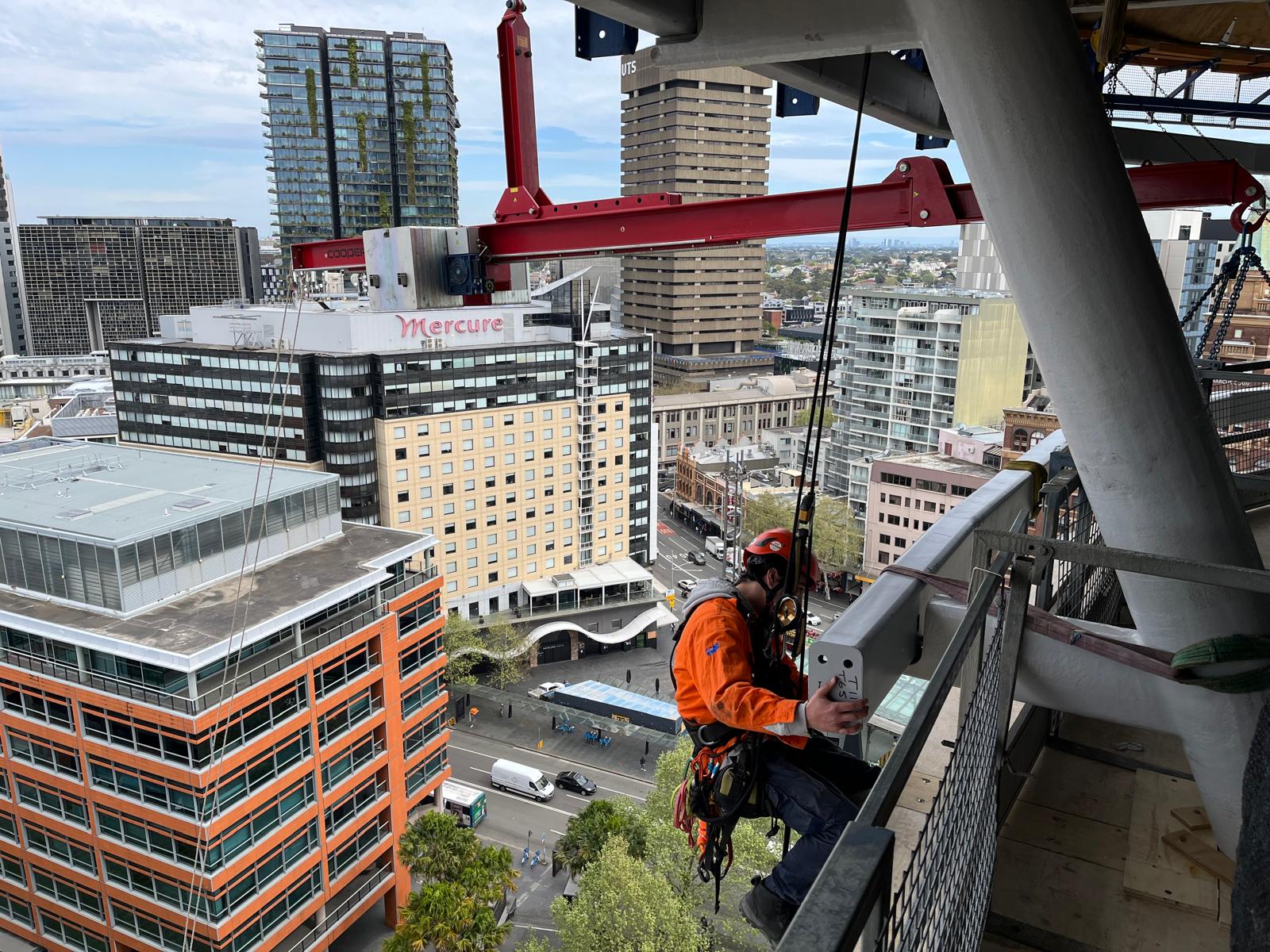
Rope Access Maintenance
Facade cleaning, inspection and repairs at height, without scaffolding or a crane.
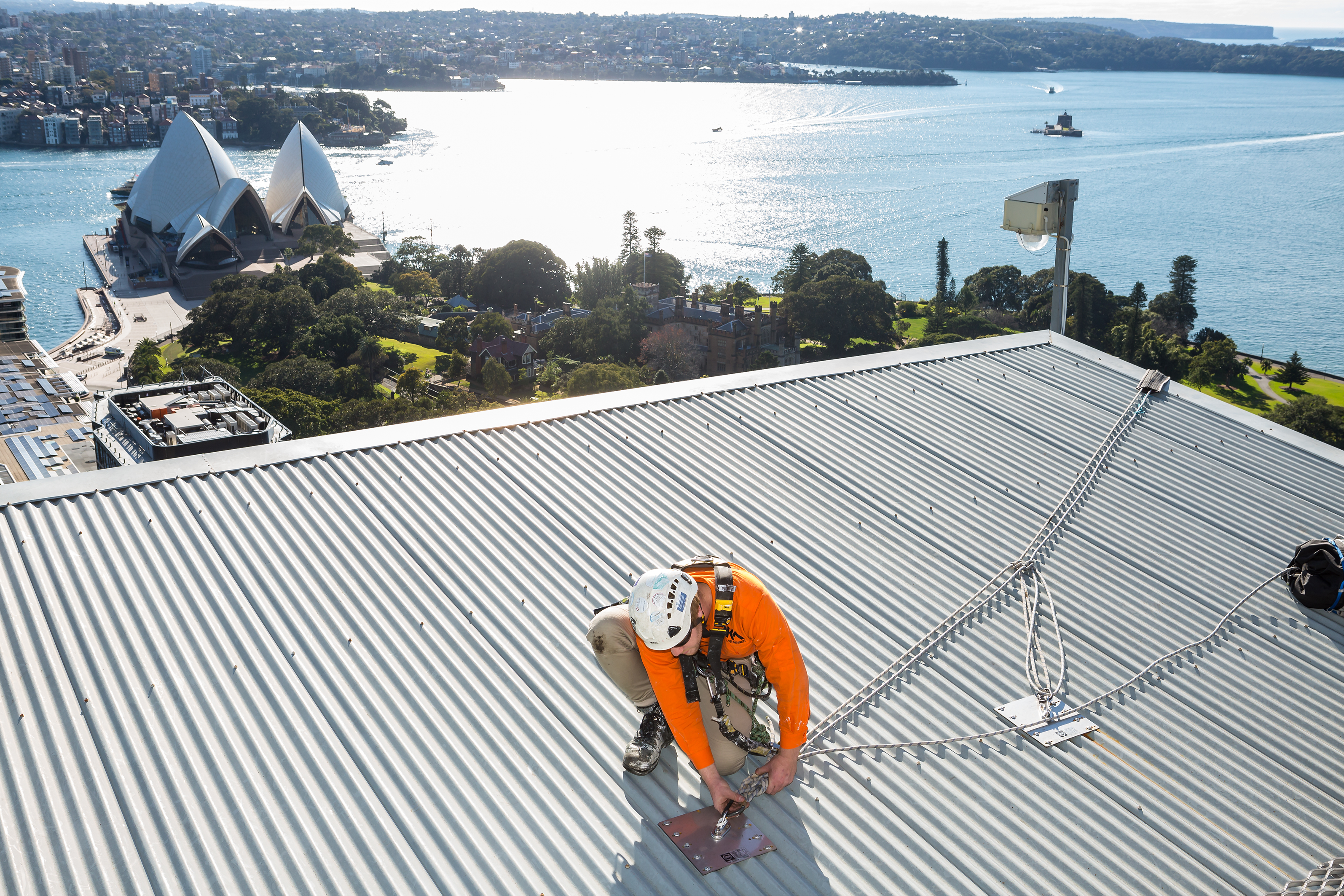
Height Safety Installation
Roof anchors, static lines, walkways and guardrails, designed, installed and certified.
Certification & Audit
Inspection, testing and recertification to keep your height safety systems compliant.
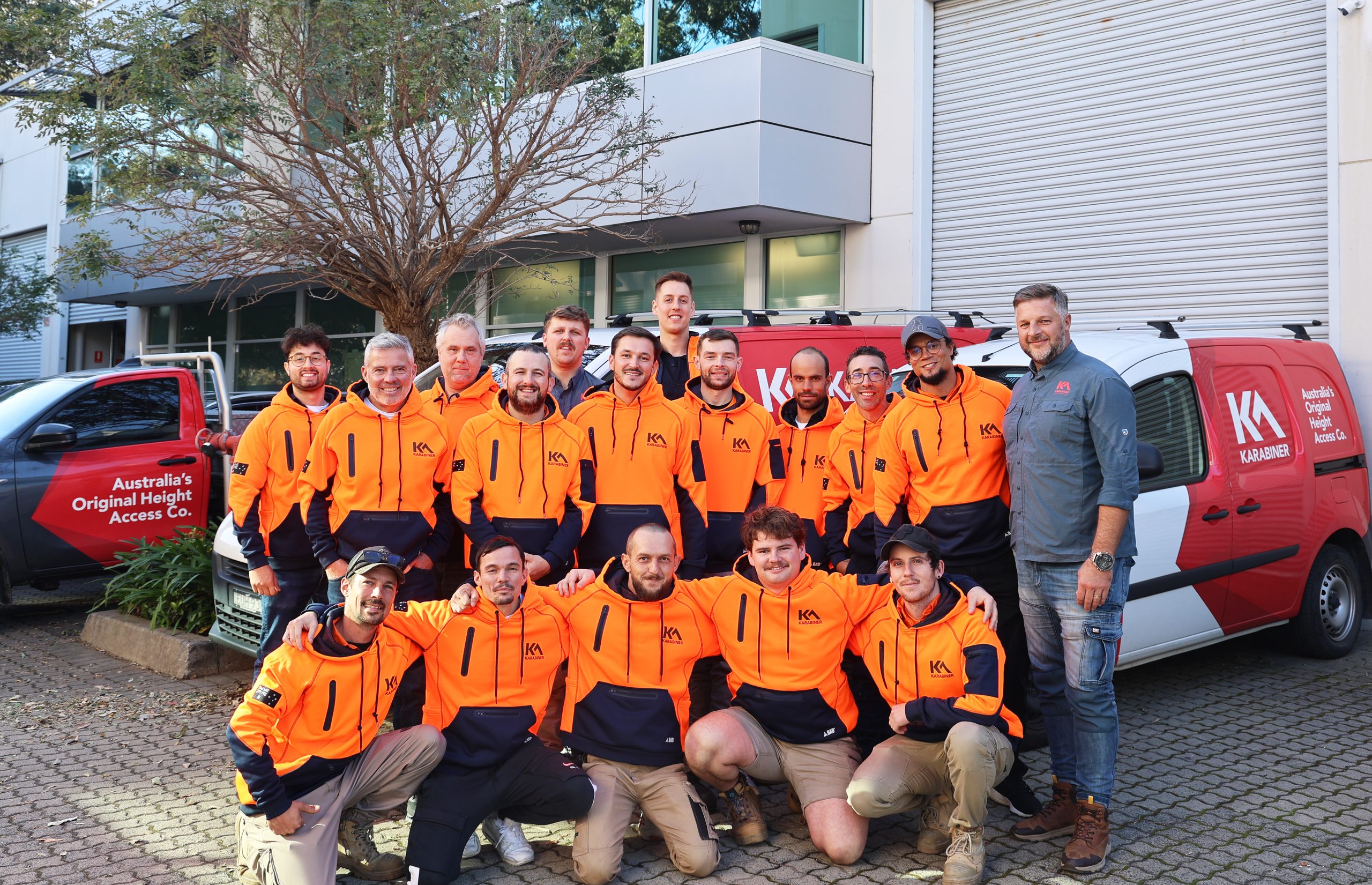
The team behind the work
IRATA-qualified technicians and in-house engineers, led by people who have worked at height across Sydney for decades.
Meet our people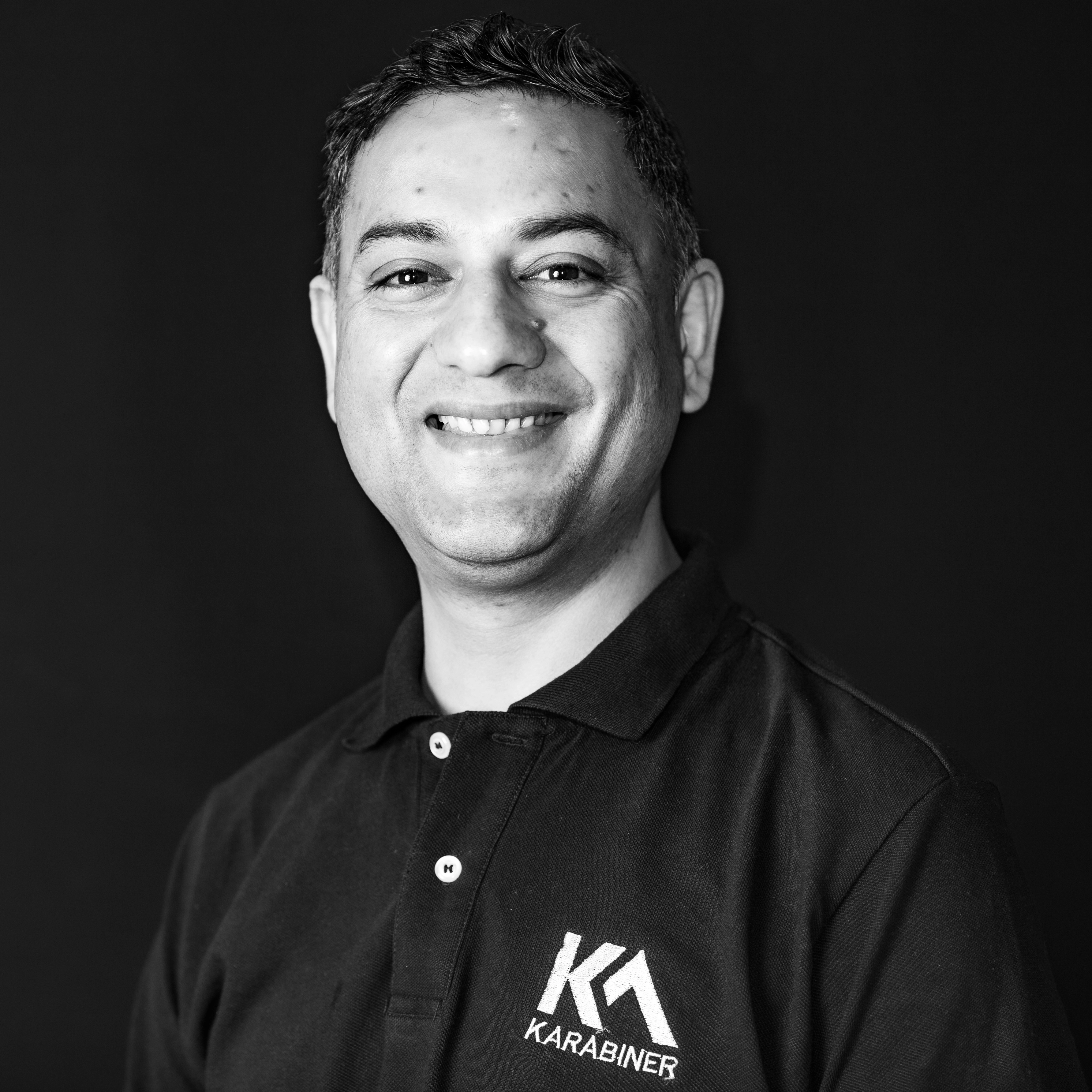
FREQUENTLY ASKED QUESTIONS
A BMU is a roof-mounted machine that carries a cradle out over the edge of a building and lowers workers down the facade to clean, inspect and maintain it. You see them on the roof of most large towers.
The machine sits on the roof and reaches a jib out over the parapet. A cradle hangs from the jib on wire ropes and is lowered down the facade with workers in it, then raised back up. The machine moves along the roof to cover the whole building.
Single jib machines for regular facades, multi-slewing and telescopic machines for large towers with complex facades, and luffing machines that fold away when roof space is limited.
A BMU suits very tall or large towers cleaned often. Rope access suits buildings without a machine, awkward facades and flexible work. Many buildings use both, and we can help you work out the right mix.
Yes. Karabiner designs, installs and services BMU systems, so the machine on your roof is looked after by people who understand both the plant and the access work it supports.
Still have a question we haven't covered? Tell us about your project and our team will get back to you.
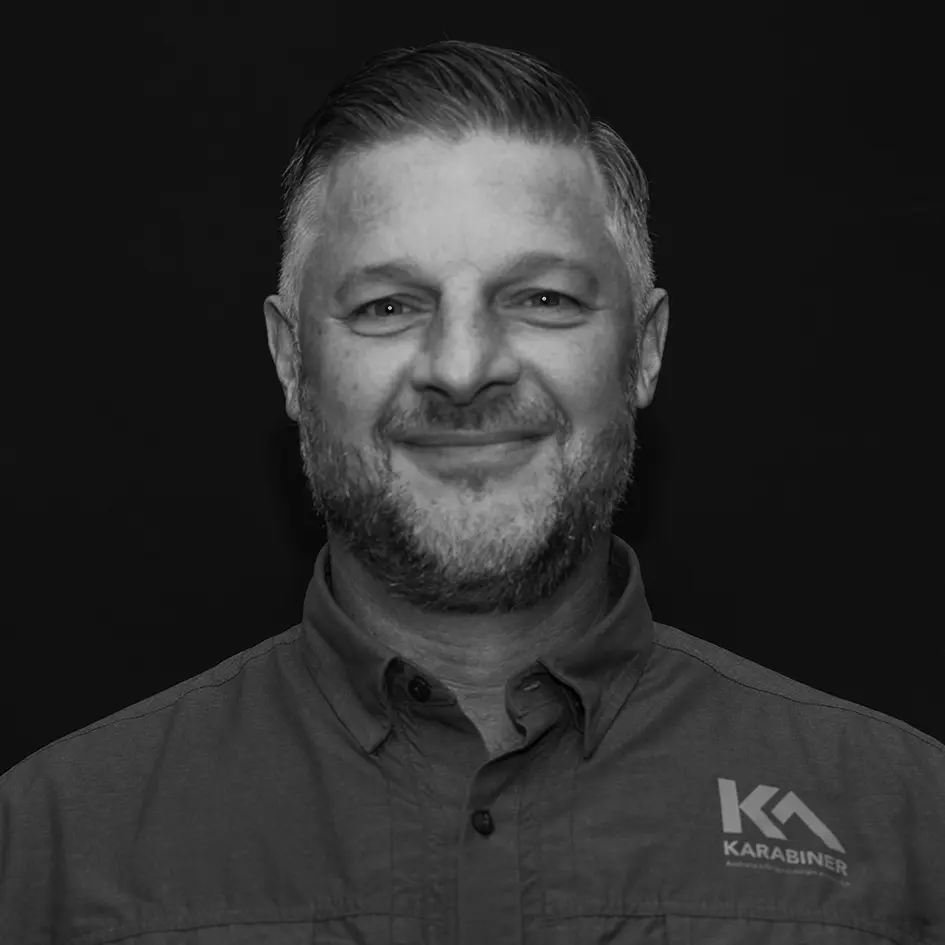
Andrew Ferguson
Founder / CEO
Tell us about your building or project and my team will get back to you with practical, no-obligation options.
Talk to our team
Tell us a bit about your building or project and our team will get back to you. No obligation.