Most strata committees have a good handle on the lifts, the fire systems and the gardens. The outside of the building is the one that arrives as a surprise, usually as a quote much larger than anyone expected.
This is the practical picture: what gets organised at building level rather than by individual owners, what actually drives the price, and why the order you do things in matters more than the individual line items.
What ends up being organised building-wide
Some things cannot sensibly be done unit by unit, so they land with the building as a whole.
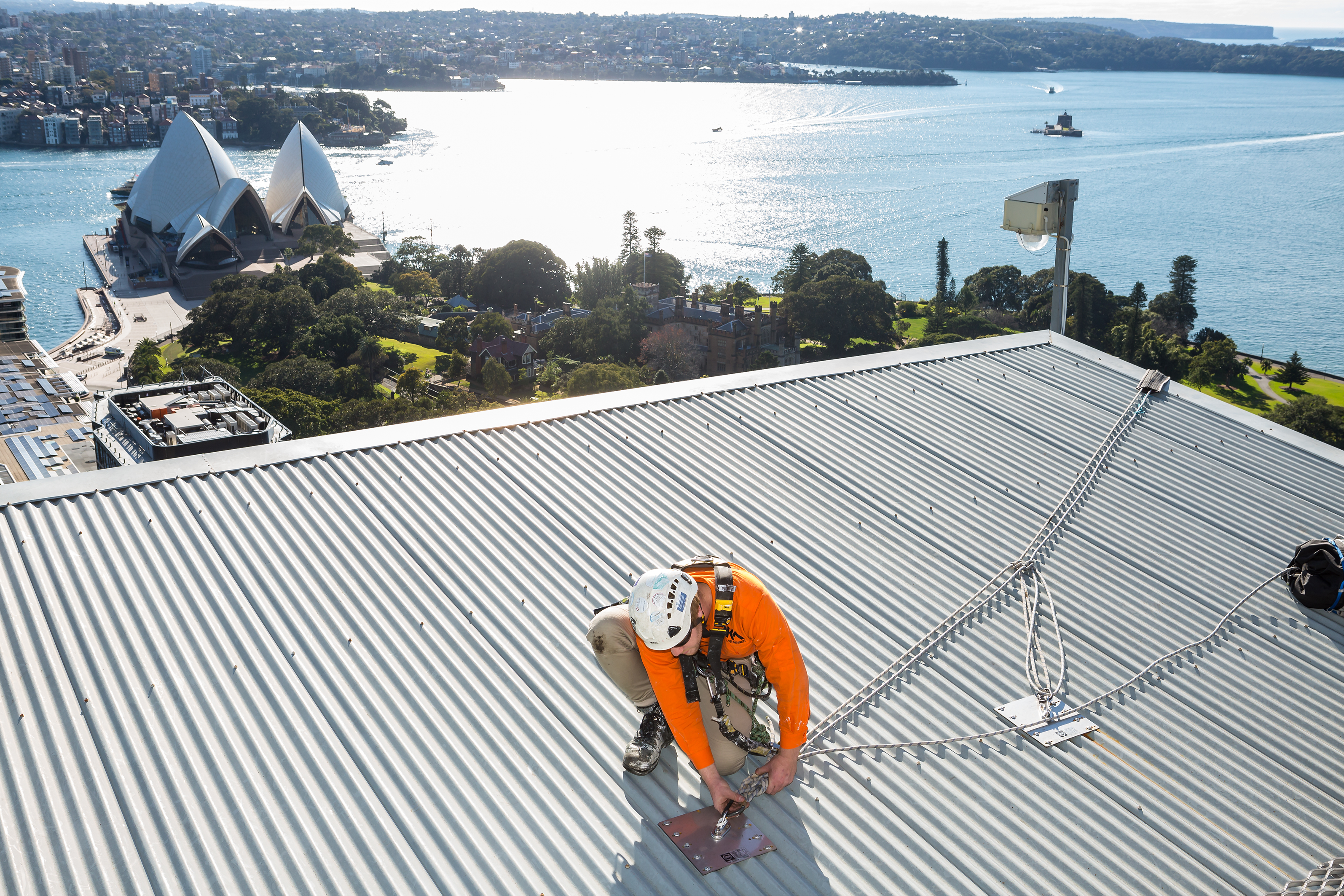
External glass that residents cannot reach. This is the recurring one and usually the first thing anyone thinks of. Anything needing rope access, a lift or specialised equipment becomes a building-wide service simply because you cannot do it apartment by apartment.
Common property glass. Lobbies, stairwells, corridors, gym and pool glazing, amenity areas.
Facade and curtain wall glass as part of the building envelope.
Facade cleaning, on a much longer cycle than the glass, and often bundled with or run ahead of coating work.
Facade condition inspection, usually triggered by a visible problem, a leak, a sale, or capital planning.
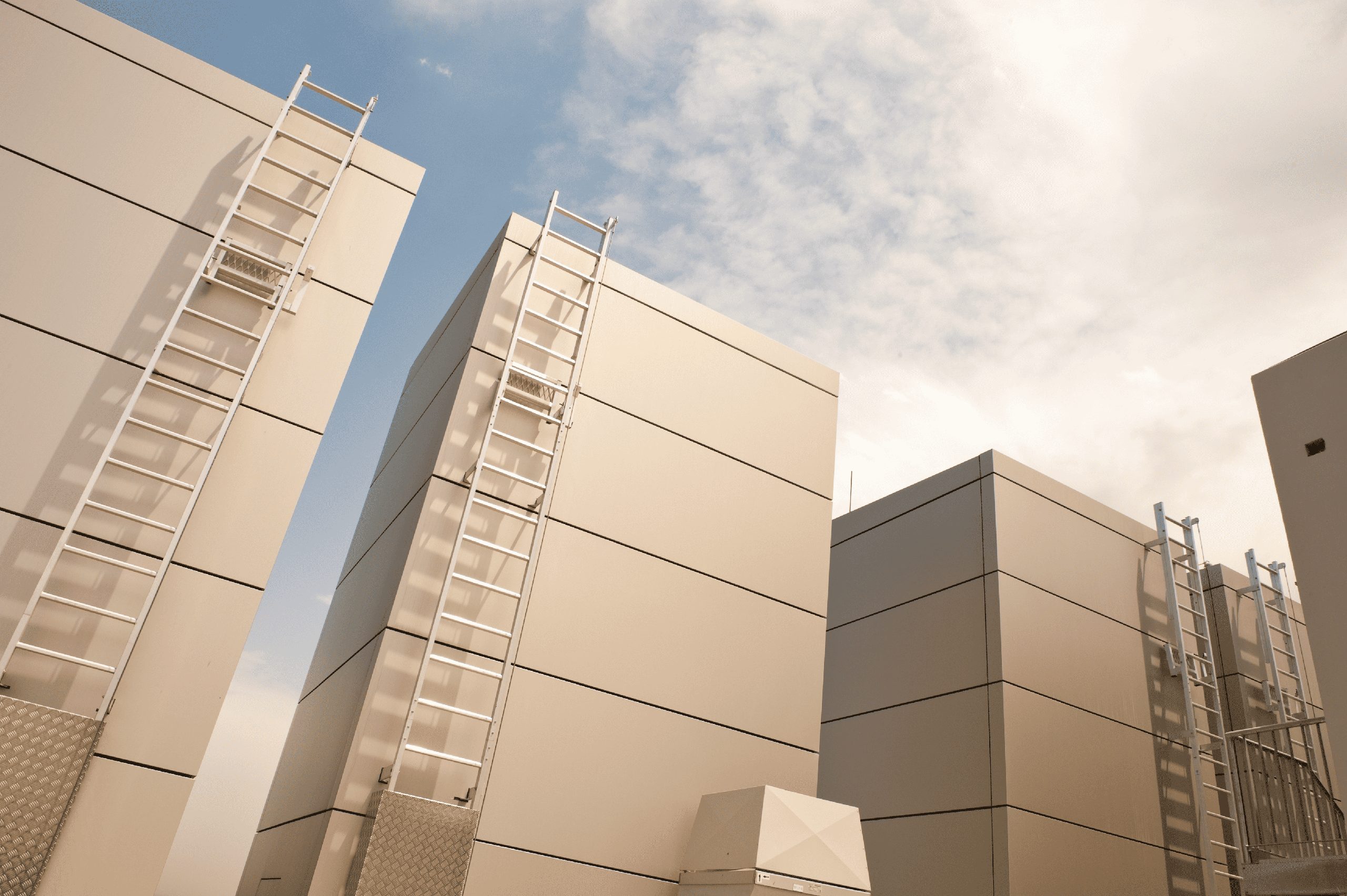
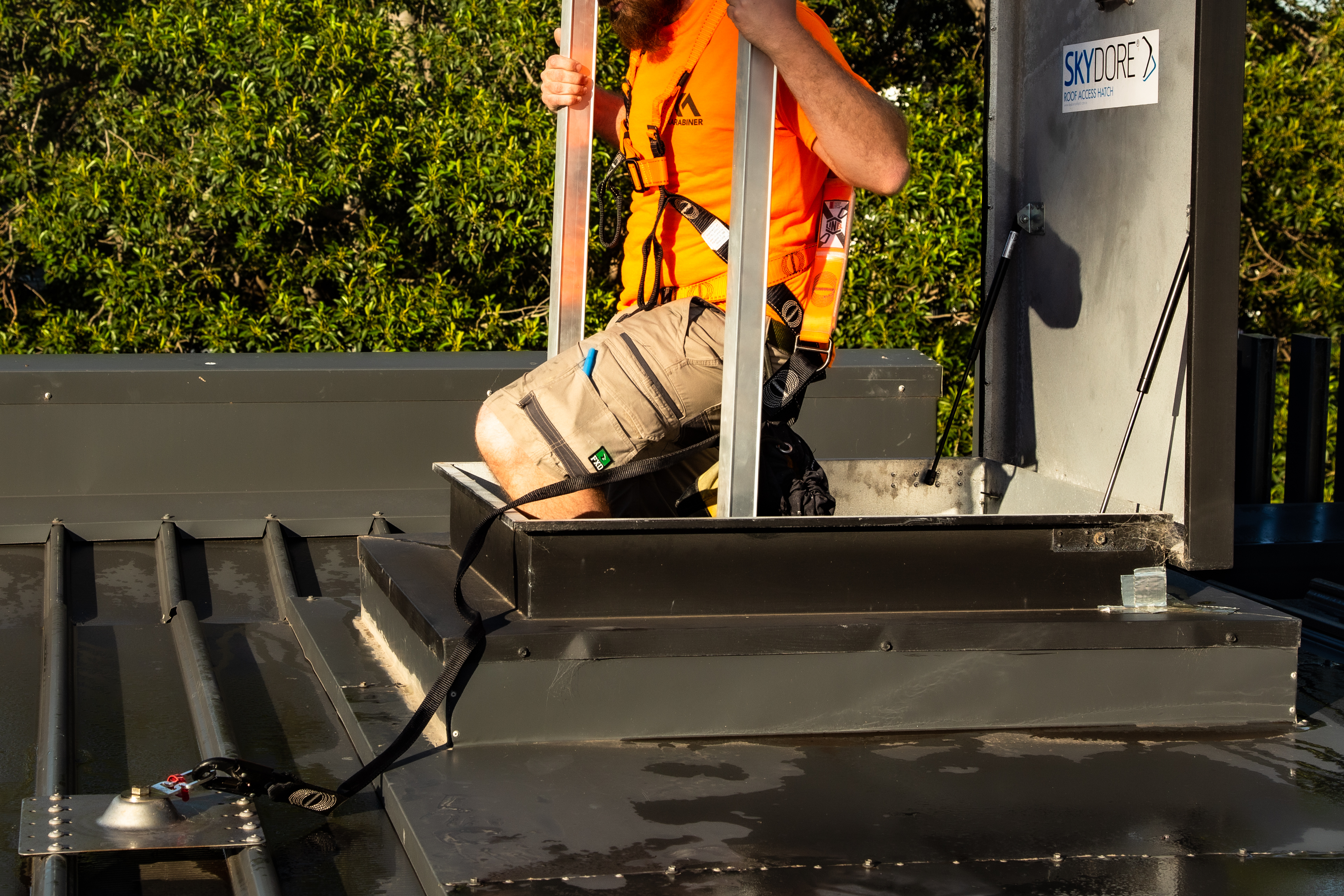
The height safety system itself. Anchors, static lines, davit bases and roof access. This is the one most buildings forget they own until a contractor refuses to start.
Remedial works. Sealant renewal, concrete repairs, coating renewal. These behave like projects rather than services, and are usually specified by a remedial consultant or engineer rather than quoted straight off a contractor's list.
What actually drives the cost
Height and drop count. How many descents the building takes decides crew days, and crew days decide most of the price.
Facade complexity. Balconies, setbacks, articulation and feature elements all slow work down. A plain rectangular tower is far cheaper per square metre than an articulated one.
Balcony count. Every balcony is a reposition, and often a conversation with a resident who is not home.
Anchor availability and layout. This one is worth repeating because it is invisible until it bites. A building with a well-designed, documented, current anchor system quotes lower, gets scheduled sooner, and does not lose days to a crew standing down on arrival. A building with unknown anchors carries a hidden cost on every single job for the rest of its life.
Access and logistics. Roof access route, whether equipment goes up in a lift or a stairwell, where the water comes from, where the crew can stage.
Resident coordination. Buildings where balcony access is reliably arranged in advance cost less than buildings where it is negotiated on the morning.
Scheduling restrictions. Out-of-hours work, or windows limited to avoid disrupting commercial tenants in mixed-use buildings.
Exposure. Harbour-front and coastal buildings accumulate salt far faster than sheltered inland ones. Arterial road frontages collect traffic film. Sites next to construction collect fine dust.
Deferral. Work left long enough costs more per visit when it finally happens, and often needs a harder method than it would have.
The cost curve nobody explains
Facade costs do not rise in a straight line. They step.
Sealant renewal is cheap. Sealant failure lets water into the joint. Water reaches the reinforcement inside the concrete. Corroding reinforcement expands and spalls the concrete around it. Spalled concrete on an occupied building becomes a falling material problem, then a scaffold problem, then a special levy problem.
Each step costs substantially more than the one before it. The intervention that would have prevented all of it is also the cheapest thing on the list, and the easiest to defer because nothing looks wrong yet.
That is the whole argument for planned facade maintenance, and it does not require anyone to be alarmed about anything. It is just arithmetic.
What a facade and access plan covers
- An asset register for the facade and the access system. What the facade is made of, elevation by elevation. Where the anchors are. What access methods the building can actually support.
- A documented access strategy. Which method suits which task, and what happens when weather or balcony access falls through.
- A cleaning programme. Glass on a short cycle, facade on a long one, with the cycle set by the building's real exposure rather than a default.
- Condition inspection feeding capital planning, with findings recorded against elevations so change is visible over time.
- A defect register carried forward, so a crack noted two cleans ago can be seen to have moved, or not.
- Sealant and coating renewal treated as scheduled capital items rather than emergencies.
- Height safety system inspection and records.
- A resident communication protocol. Notification lead times, balcony access, who to call on the day.
- A contractor documentation file kept in the building's records: certificates of currency, method statements, completion records, defect reports, photographs.
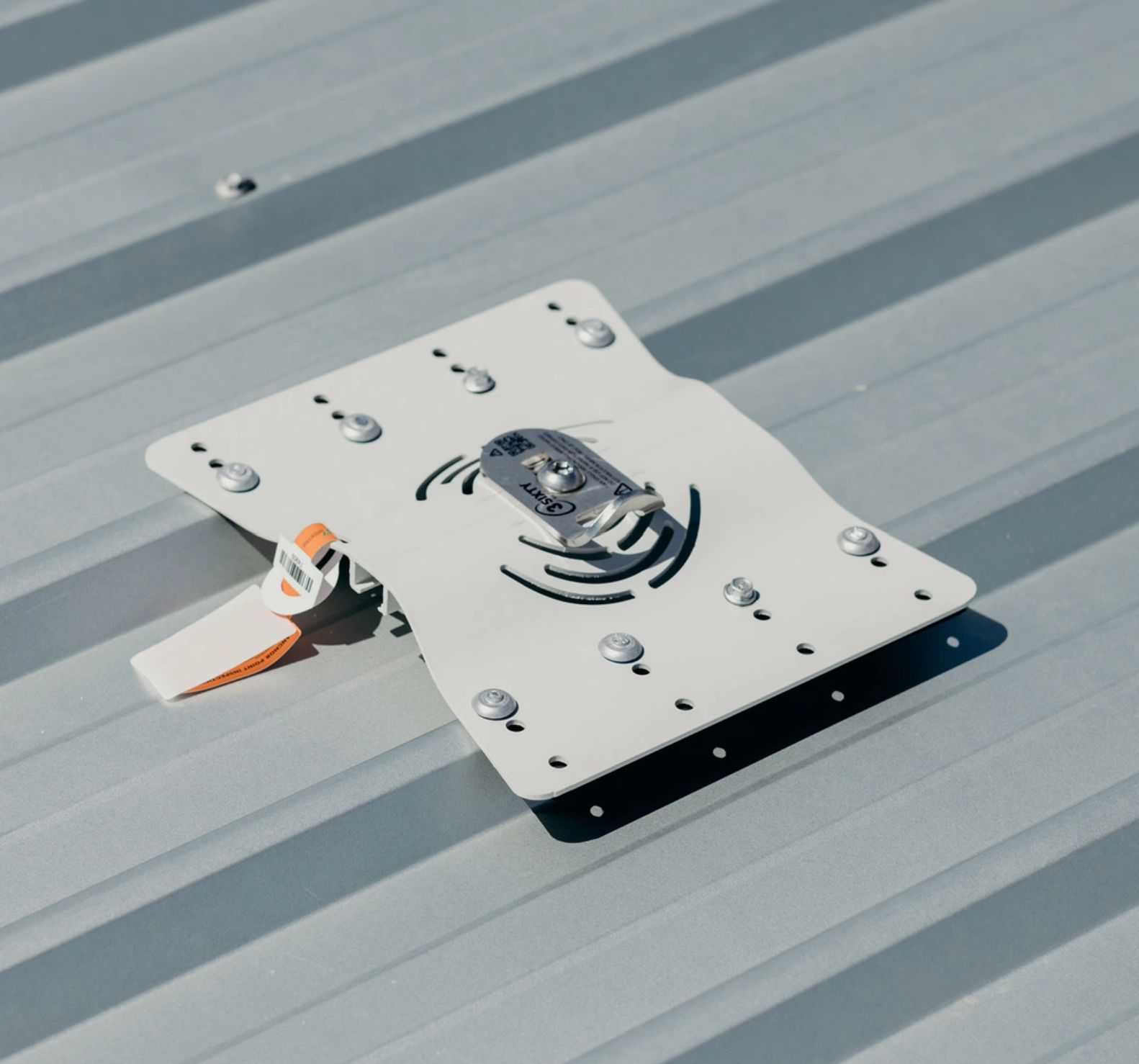
The anchor problem, specifically
The most common reason a booked facade job does not happen is that nobody can verify the anchors.
Anchors get installed when the building goes up. The documentation goes to the builder, or the first strata manager, or nowhere. Twenty years and three managing agents later, no one knows where the anchors are, whether they were ever tested, or what they were intended for.
Then a crew arrives to clean the windows, checks the anchors, and will not start. The booking is wasted, residents are annoyed, and the building is still dirty.
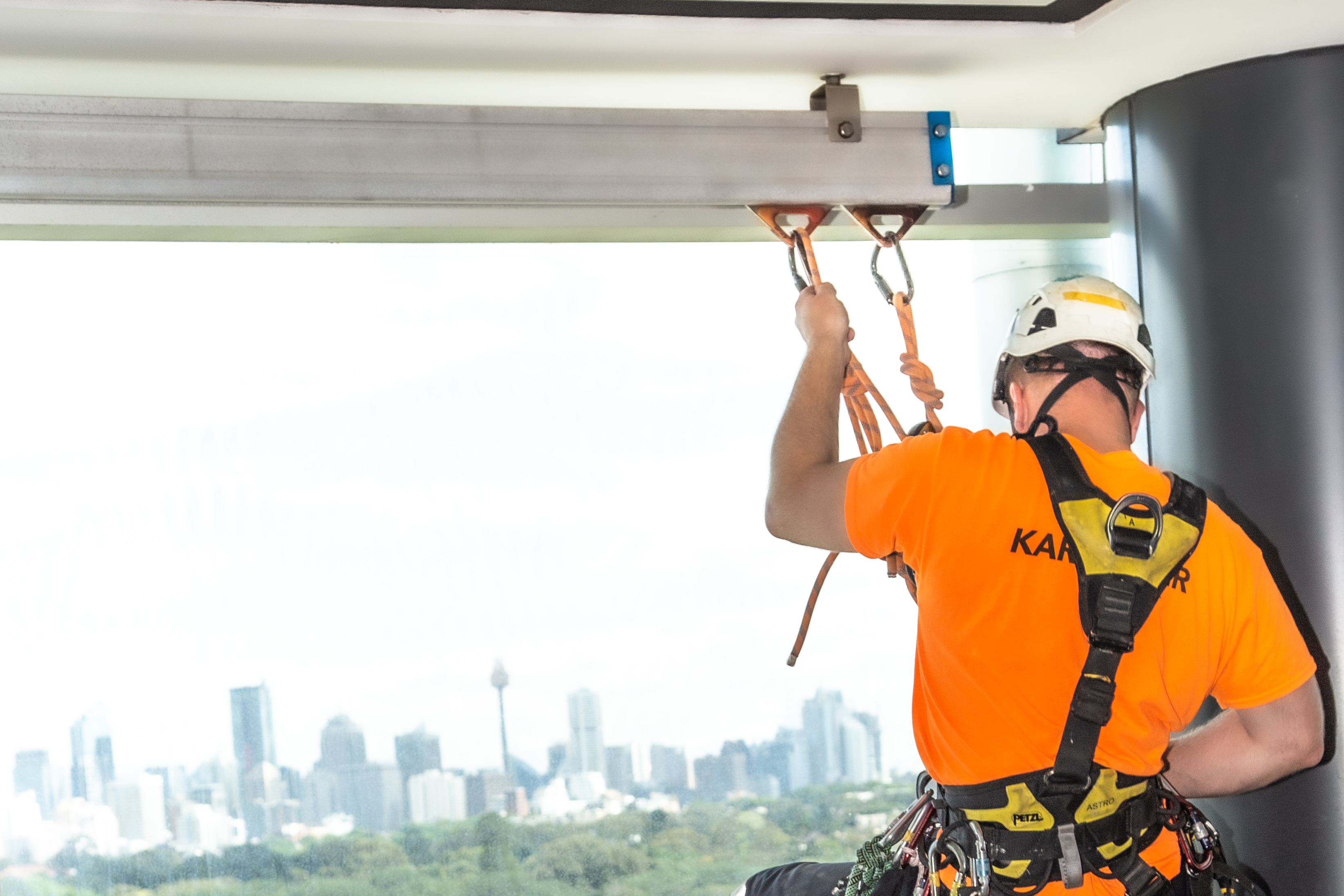
Fixing this once is inexpensive relative to what it costs every time it stops a job. It means locating every anchor, testing and tagging each one, and putting the results into a register the building actually keeps. That work runs through anchor point testing and certification, and where a building has nothing installed or the system does not suit the work needed, through height safety installation.
The one lever that saves real money
The expensive part of any facade job is getting rigged. Verifying anchors, setting up lines, establishing exclusion zones, notifying residents.
Once a crew is on the facade, additional work is comparatively cheap.
So three separate visits for a clean, an inspection and some sealant work cost far more than one visit doing all three. Buildings that keep a live defect register can bundle deliberately, because they know what needs doing before they book. Buildings without one discover work halfway through a job, when bundling is no longer an option.
Our rope access maintenance service is built around that, and if you want a view on what your building actually needs, talk to our team.
Services this involves
Trusted by Australia's leading builders
_logo.svg.png)