High-rise window cleaning is done one of two ways: technicians abseil the facade on ropes, or they clean from a cradle hung off a building maintenance unit on the roof. Both are safe and both are common on Sydney towers. Which one suits your building comes down to how it was designed, how tall it is, and how often the glass needs doing.
If you manage the building, this is a decision you make once and live with for years, so it is worth understanding the difference before you sign a cleaning contract.
How high-rise window cleaning works
You cannot clean the outside of a tower from inside it, and a ladder gets you nowhere past the second floor. So access to the glass comes from above. Either a technician descends the face on ropes, cleaning each pane as they go, or a powered cradle carries them up and down the facade from a machine parked on the roof.
Both methods keep the worker connected to the building the whole time. The difference is what they hang from: ropes rigged off roof anchors, or a cradle suspended from a building maintenance unit.
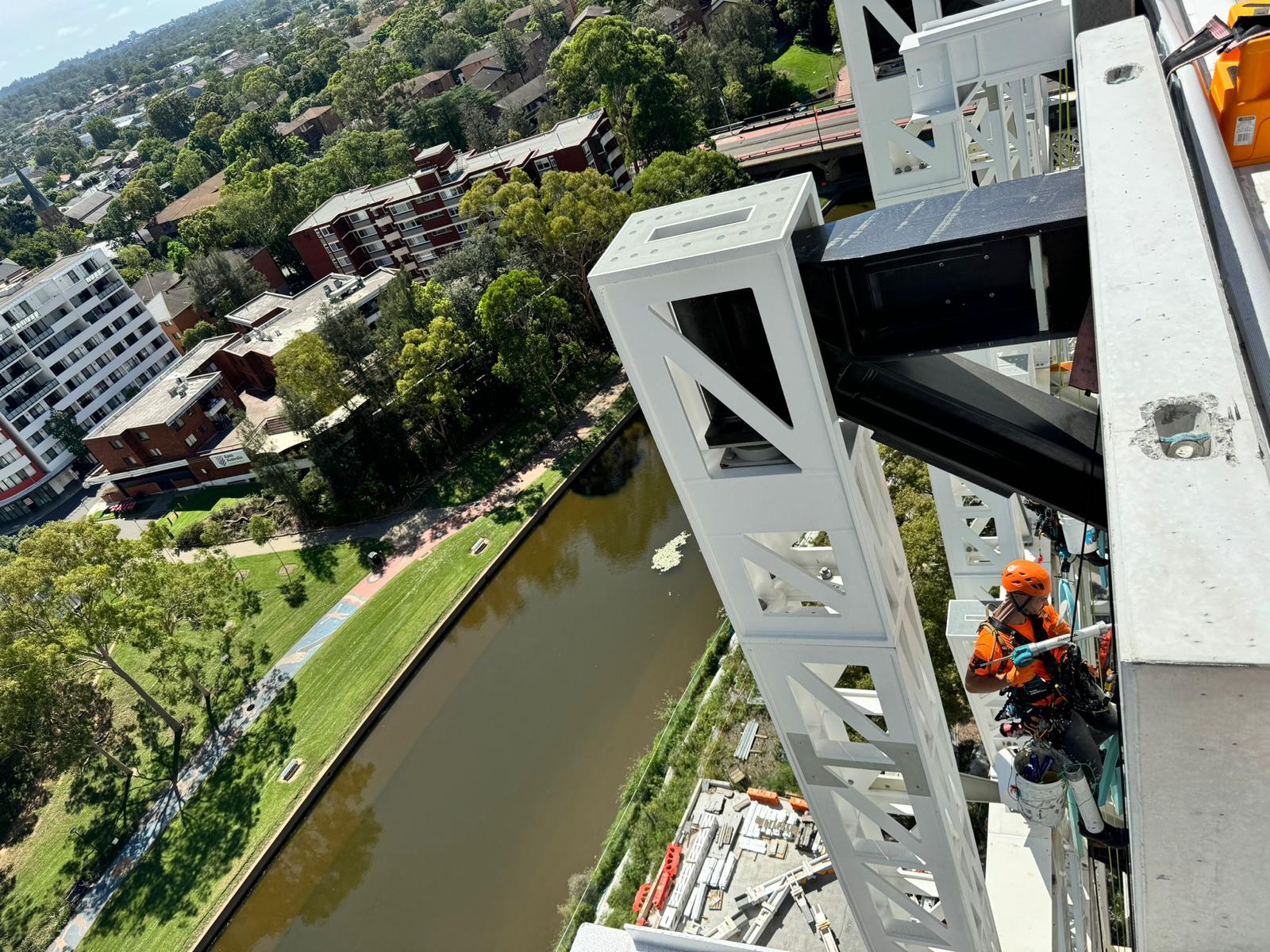
Rope access window cleaning
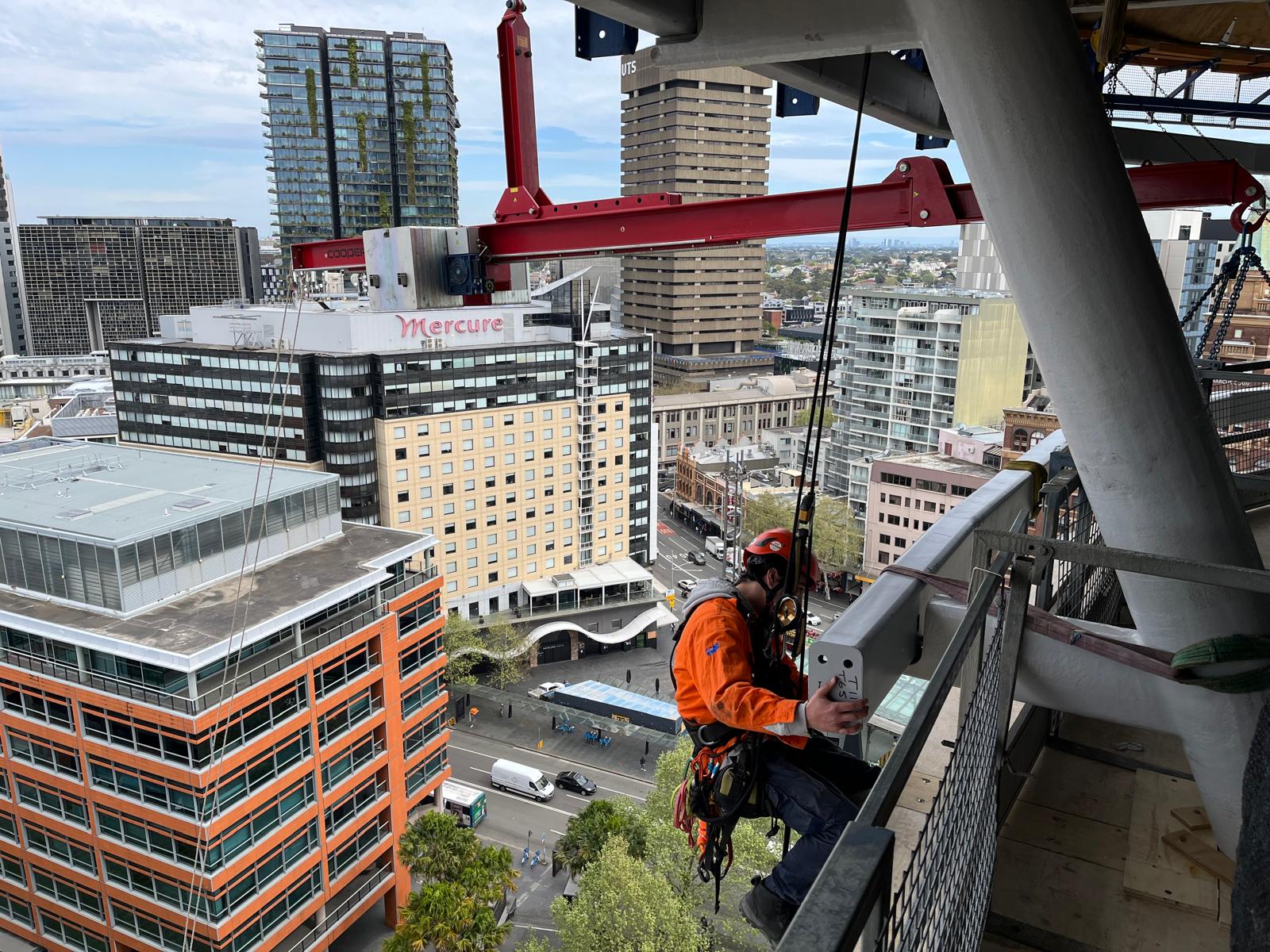
A rope access technician rigs two ropes from anchor points on the roof, a working line and a backup, and cleans the glass while suspended, working top to bottom. It is quick to set up, needs no permanent machinery on the roof, and reaches tight spots a cradle cannot, like recessed windows and blades.
Rope access suits buildings that do not have a maintenance unit, buildings with awkward facades, and jobs where you want flexibility without the cost of installing plant on the roof. It is part of a broader rope access maintenance service, so the same crew can handle facade repairs and inspections while they are up there.
Building maintenance unit window cleaning
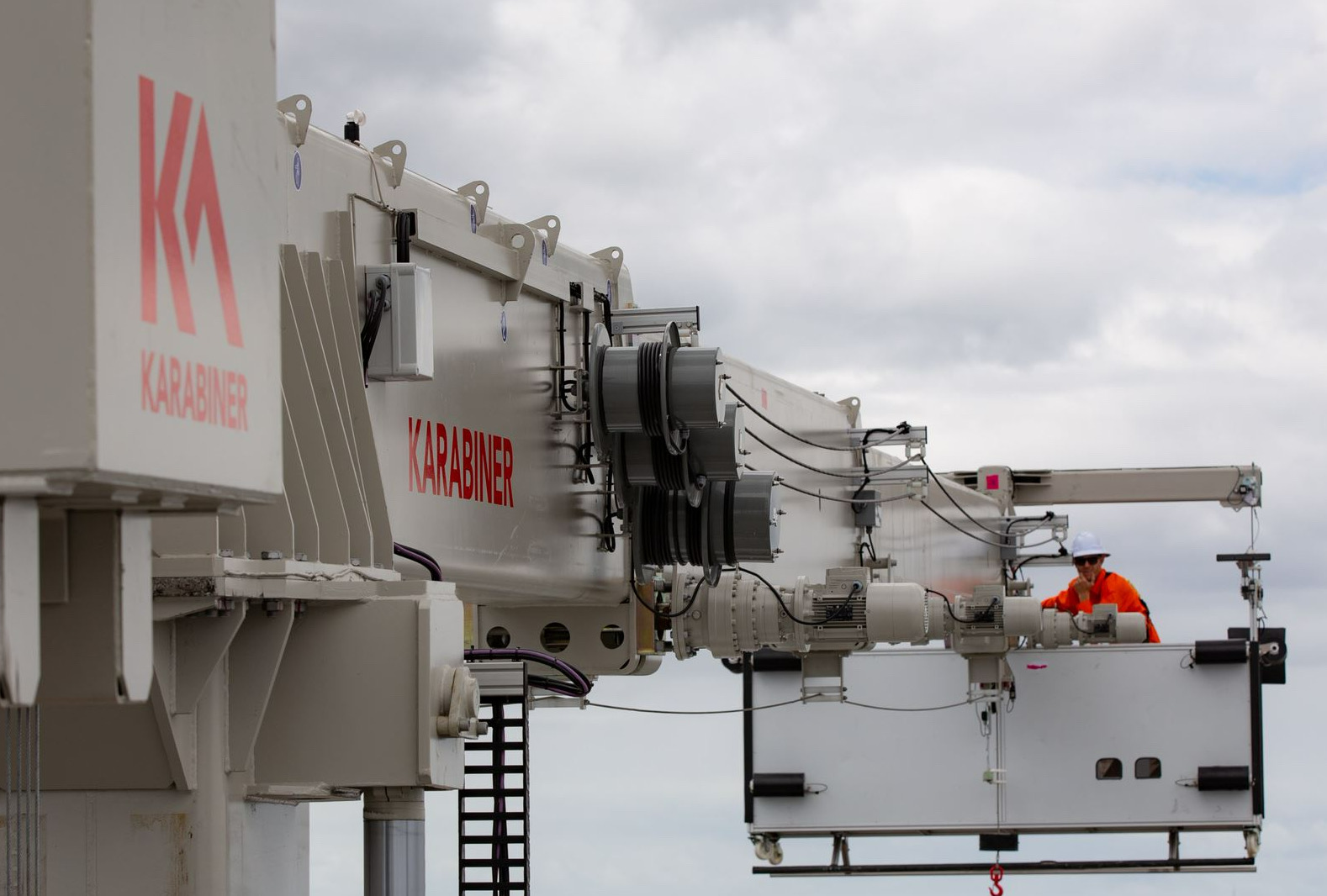
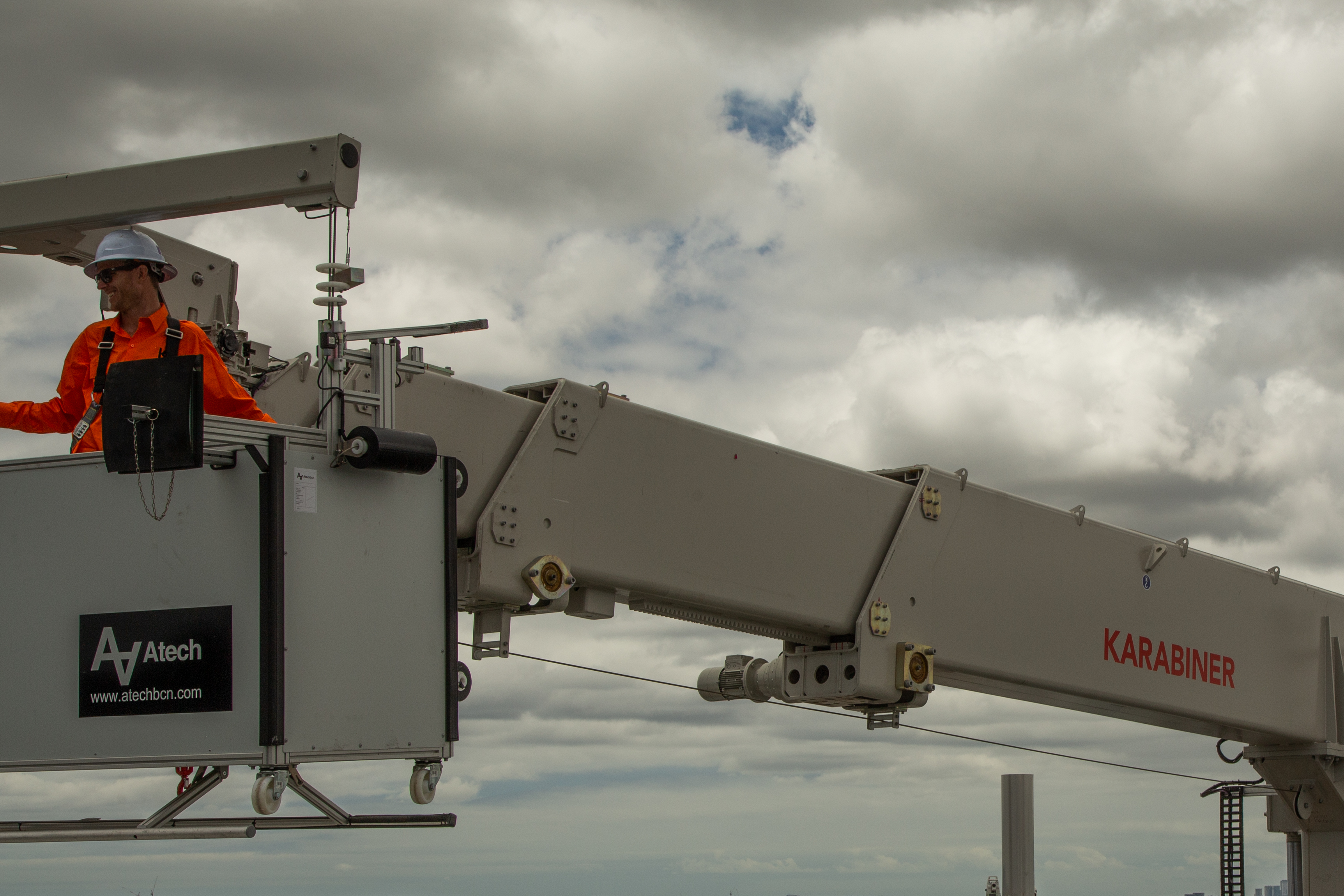
A building maintenance unit, or BMU, is the machine you see parked on the roof of most large towers. It carries a cradle out over the edge and lowers cleaners down the facade, then winches them back up. On a very tall or very large building, a BMU moves people and equipment up and down faster than ropes, and it carries more gear.
The trade-off is that a BMU is a significant piece of plant. It has to be designed for the building, installed, and maintained. For a tower that needs its glass cleaned often and has the roof space and budget for a machine, a BMU is usually the long-term answer. Karabiner designs, installs and services these systems, so the BMU on your roof is looked after by the same people who understand the access.

Rope access vs BMU: which suits your building?
| Rope access | Building maintenance unit | |
|---|---|---|
| Best for | Buildings without a BMU, awkward facades, flexible or occasional work | Very tall or large towers cleaned often |
| On the roof | Just anchor points | A permanent machine that needs space and servicing |
| Setup speed | Fast, rig and go | The machine is always there, ready |
| Reach | Excellent on tricky details | Excellent on big open facades |
| Upfront cost | Low | High, but spread over the life of the building |
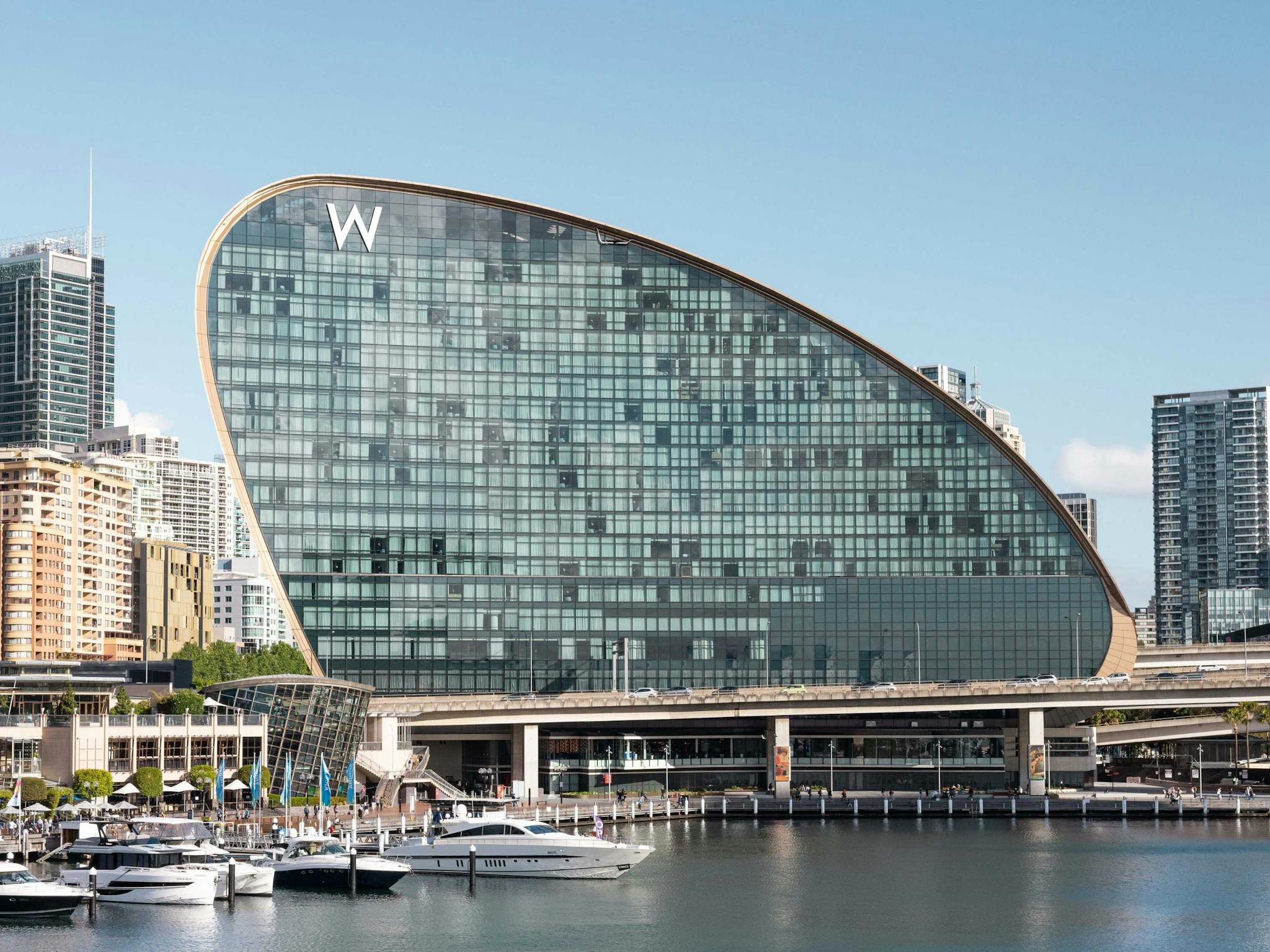
Plenty of buildings use both: a BMU for the routine glass, rope access for the parts the cradle cannot reach and for facade repairs. We work across Sydney high-rises, including facade access on towers like The Ribbon, and often the right answer is a mix rather than one or the other.
How to decide between rope access and a BMU
Start with three questions about the building.
First, does it already have a maintenance unit? If a BMU is on the roof and serviced, use it for routine cleaning and keep rope access for the parts it cannot reach. If there is no machine, rope access is the cheaper way in without installing plant.
Second, how tall and how large is the facade, and how often does the glass need doing? A very tall tower cleaned every few weeks earns its keep from a machine. A mid-rise cleaned a couple of times a year rarely justifies one, and rope access does the job for a fraction of the upfront cost.
Third, what does the facade look like? Lots of recesses, blades and feature elements favour rope access, because a cradle struggles to reach around them. Big, flat, open glass favours a cradle.
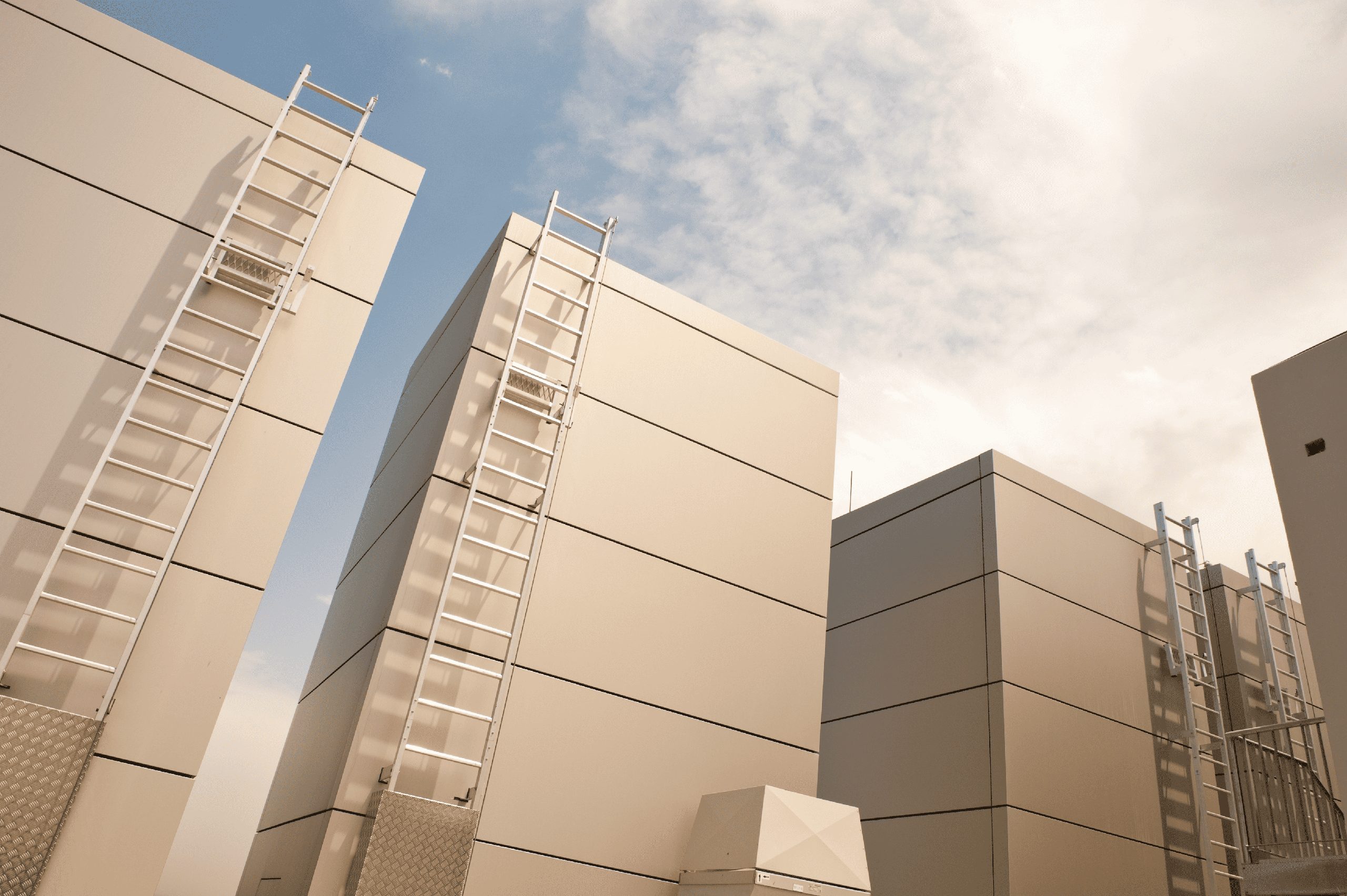
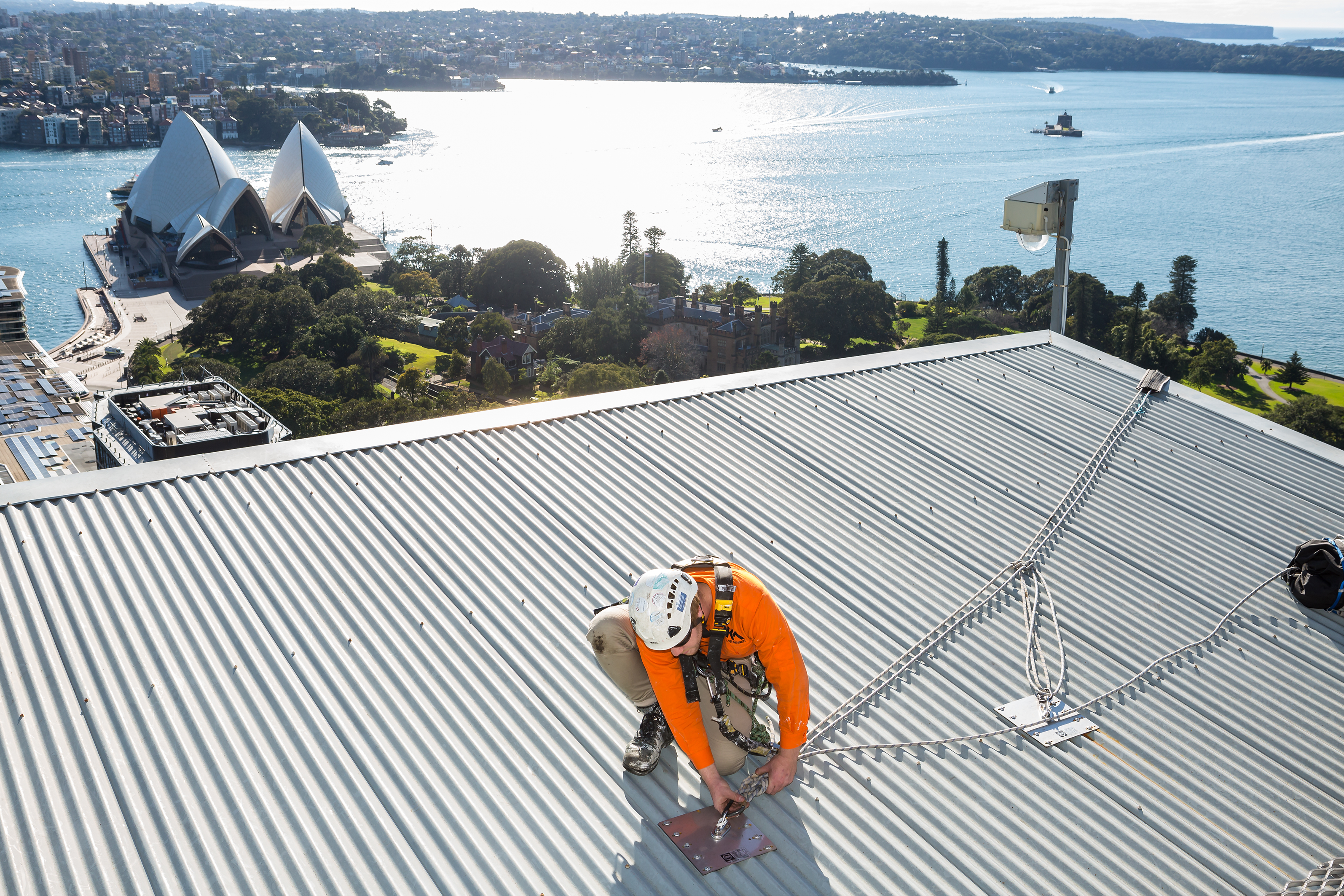
If you are fitting out a new building, plan access early. Designing in anchor points or a maintenance unit at construction is far cheaper than retrofitting either later, and that planning is part of a height safety installation.
Services this involves
Trusted by Australia's leading builders
_logo.svg.png)