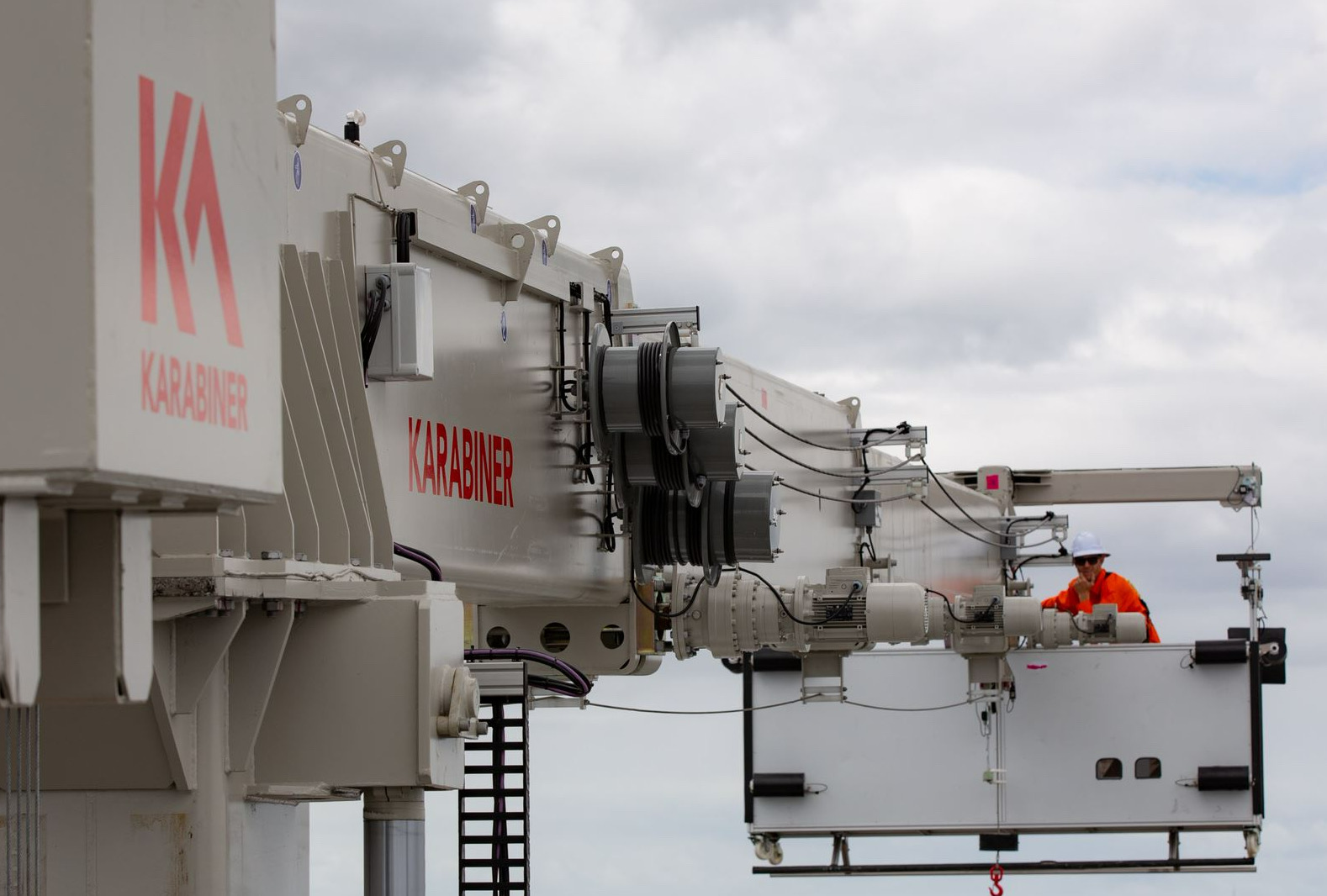

A building maintenance unit, or BMU, is the machine on the roof of a tall building that lets workers reach the outside of it safely. It carries a cradle out over the edge and lowers people down the facade to clean the glass, inspect the structure or carry out repairs, then winches them back up. If you have ever looked up at a city tower and seen a small platform hanging against the glass, that platform was almost certainly hung off a BMU parked on the roof above.
For anyone who owns or manages a high-rise, the BMU is the difference between a facade you can look after for decades and one you cannot safely reach at all.
What a BMU is made of
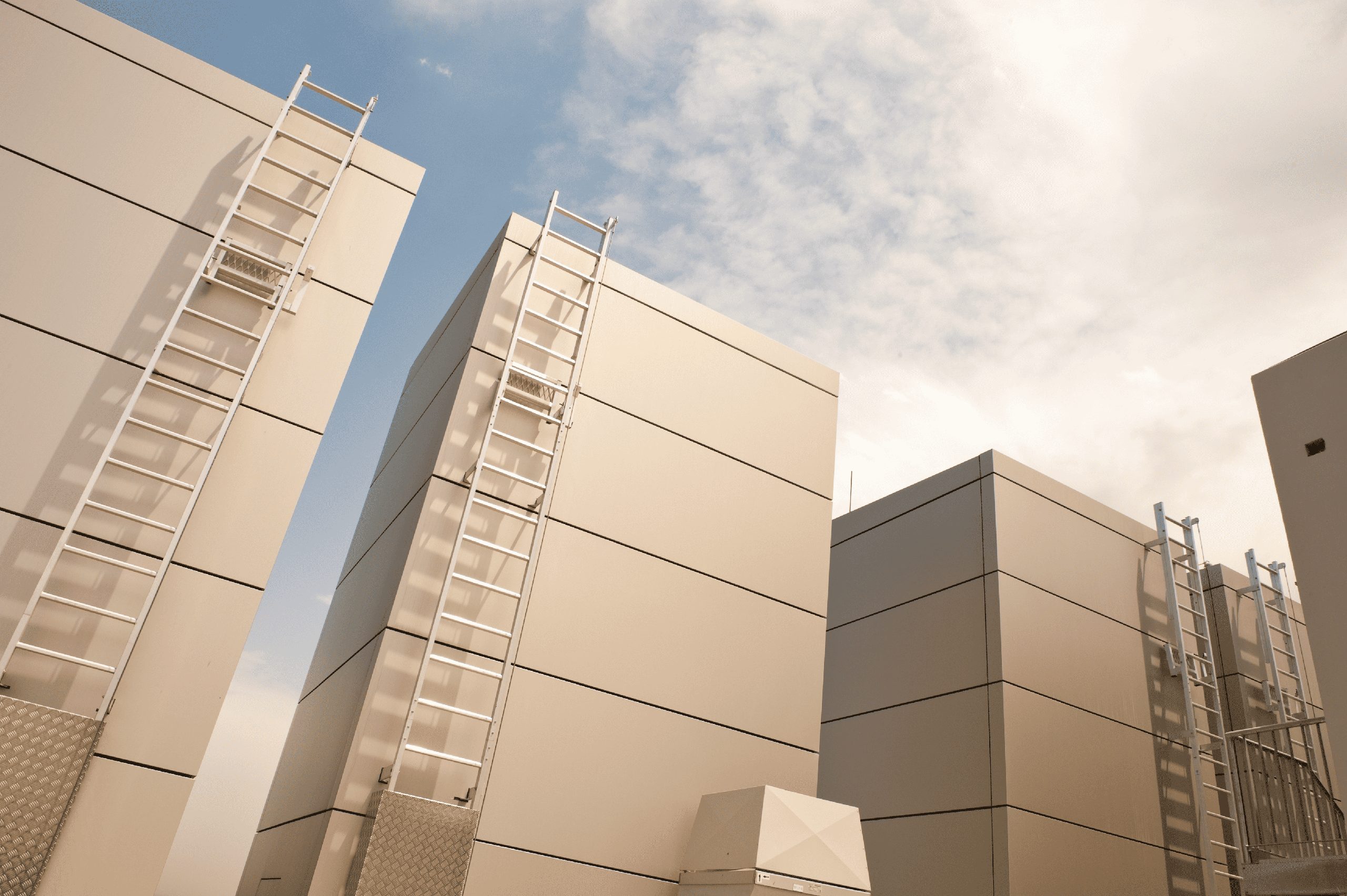
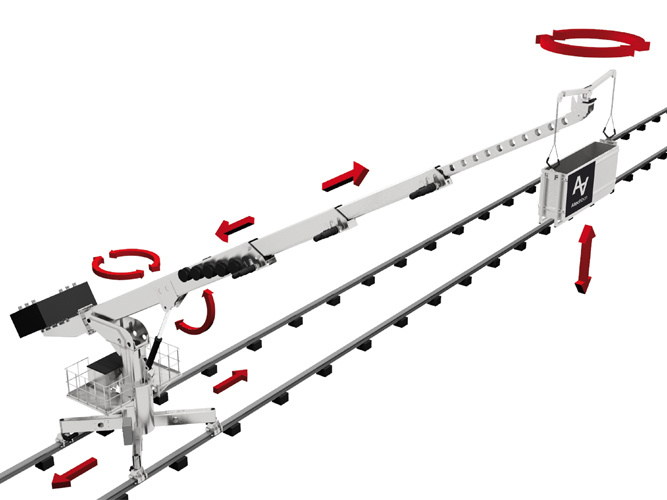
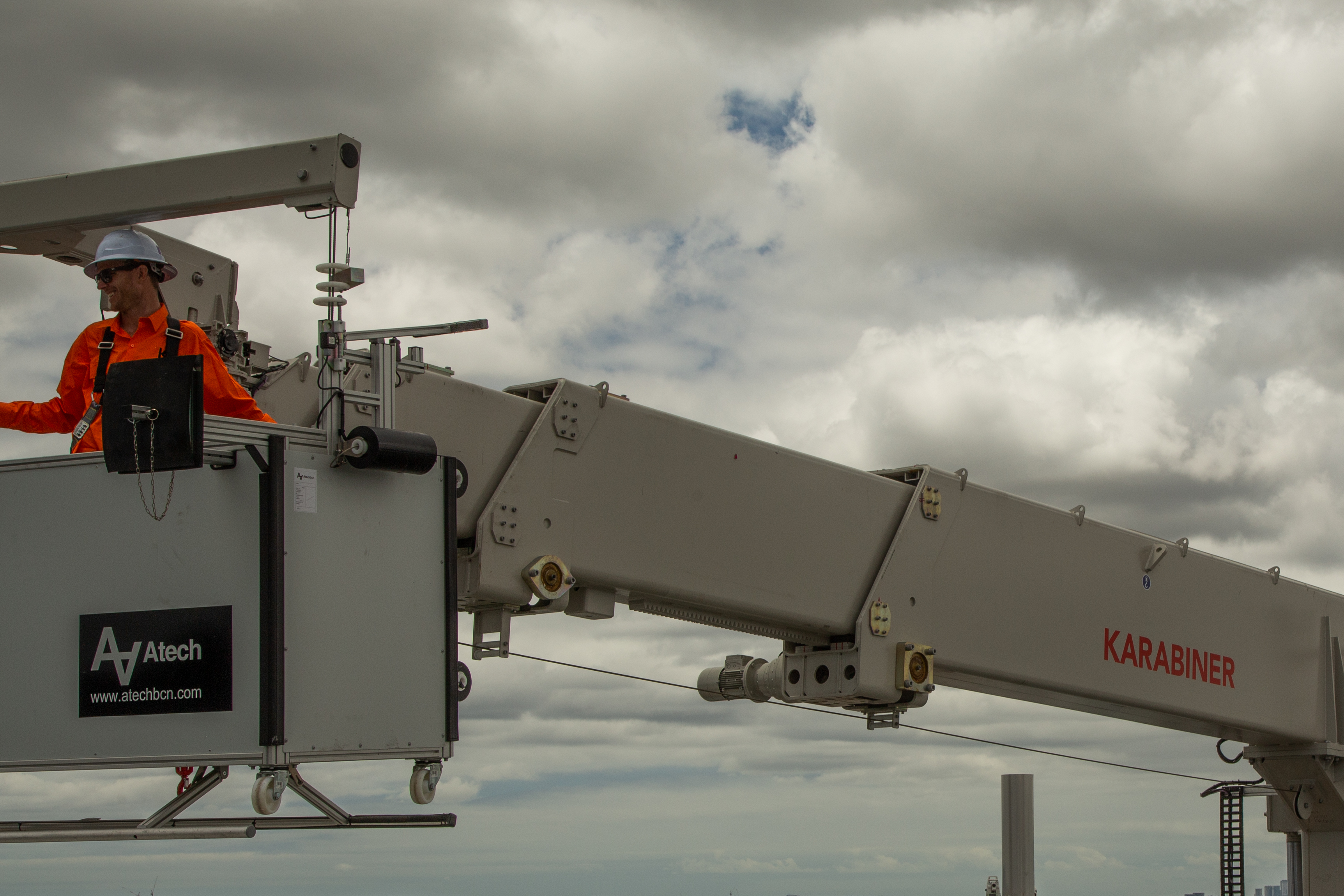
A BMU is a permanent piece of plant, not something you hire and take away. The main parts are the machine on the roof, usually a jib or small crane on a track or a slewing base, and the cradle or gondola that hangs from it on wire ropes. The machine carries the cradle out past the parapet and controls the hoist that raises and lowers it. Everything is engineered for the specific building it sits on, which is why a building maintenance unit is designed, not bought off a shelf.

How a BMU works
The machine sits on the roof, out of sight from the street. When the facade needs work, the jib reaches out over the edge and the cradle is lowered down the building face on wire ropes. Operators stand in the cradle and work their way down, cleaning or inspecting each level, then the machine moves along the roof to reach the next section. On big towers the jib can telescope and slew so the cradle reaches around corners and setbacks.
The main types of BMU
BMUs are matched to the size, height and shape of the building, and to how much room there is on the roof to park the machine.
- Single jib machines suit regular facades on buildings up to a moderate height, with a modest outreach.
- Multi-slewing and telescopic machines handle large towers, reaching well out from the roof and around complex facades.
- Luffing machines fold away neatly when not in use, which matters when roof space is tight.
Choosing the right one is part of the design, because a machine that cannot reach part of the facade leaves that part unmaintainable.

When does a building need a BMU?
Not every building does. On a very tall or very large tower that is cleaned often, a BMU moves people and gear up and down faster than anything else, and it earns its place. On a smaller or simpler building, roof anchor points and rope access can do the same work for a fraction of the upfront cost, without permanent plant on the roof.
The honest answer for a specific building depends on its height, how often the facade needs attention, and whether there is roof space and budget for a machine. If you are building or refurbishing, it is far cheaper to plan facade access early, whether that is a BMU or anchor points for rope access, than to retrofit it later. That planning sits alongside height safety installation on the roof.
Keeping a BMU working
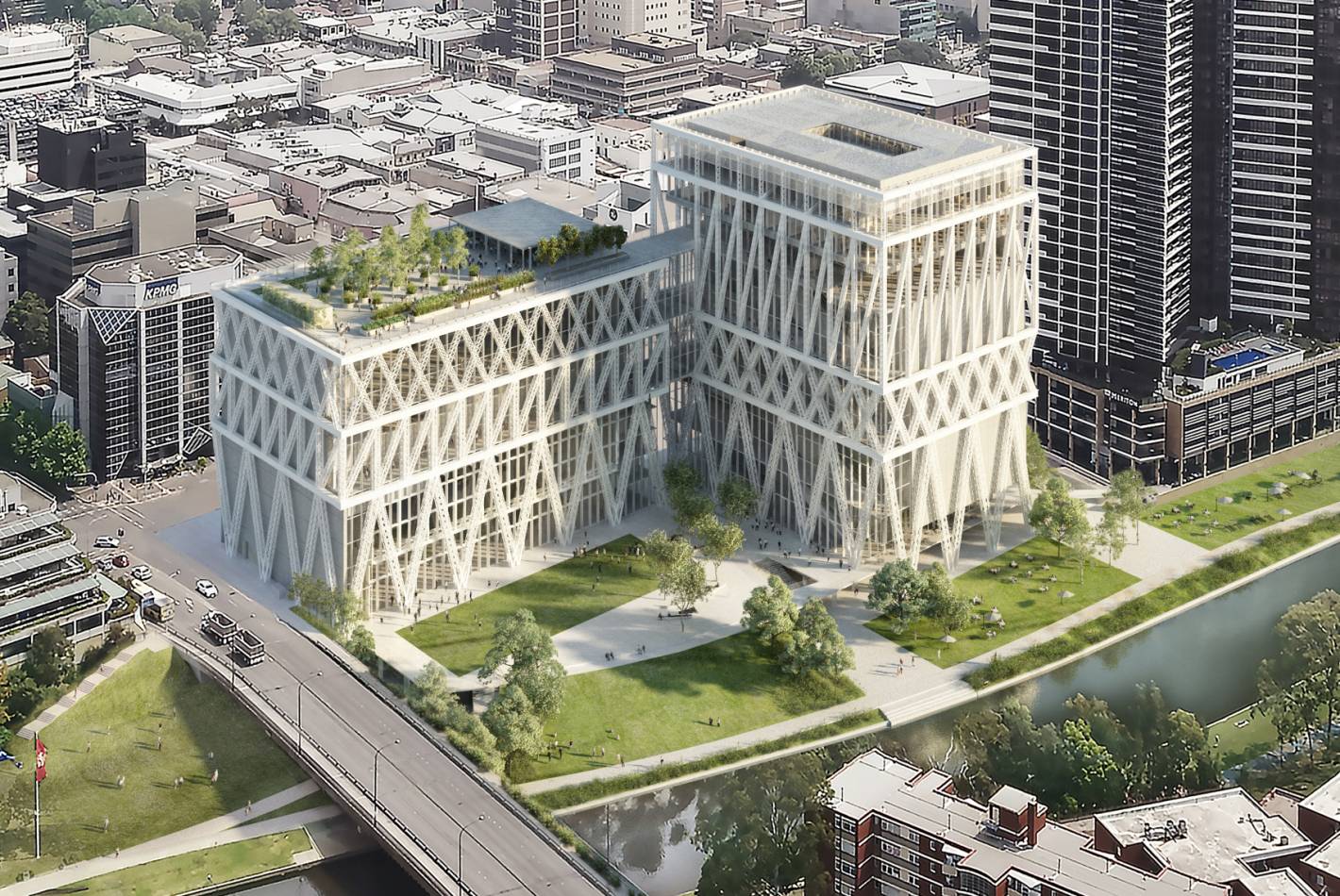
A BMU is a working machine that carries people over the edge of a building, so it is serviced regularly to keep it safe and reliable. Karabiner designs, installs and services these systems, so the machine on your roof is looked after by people who understand both the plant and the access work it supports. We designed, supplied and installed the BMU system at Powerhouse Parramatta.
What a BMU is used for
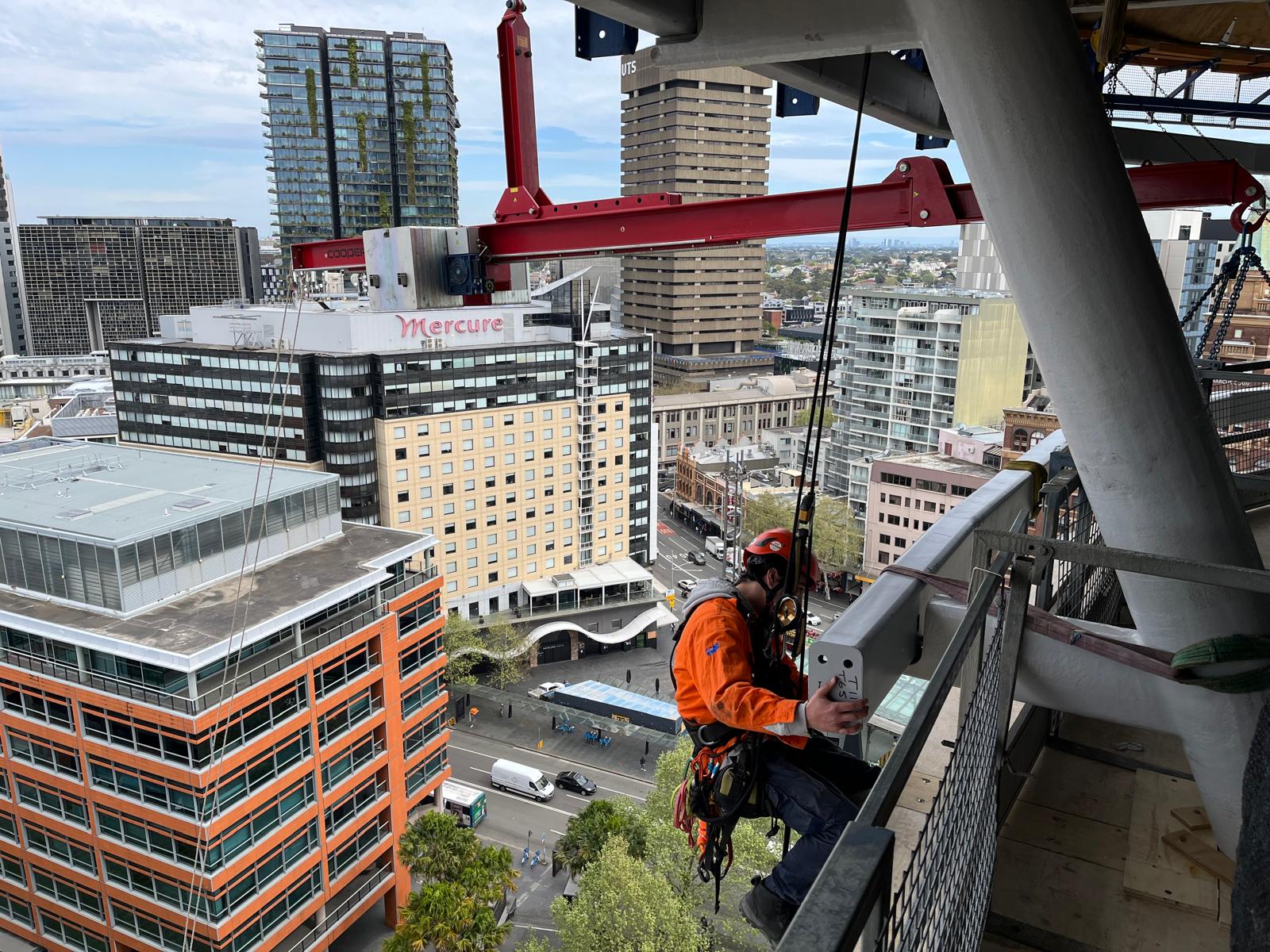
A BMU is not only for window cleaning, though that is the most visible job. The same machine carries workers down the facade for structural and glazing inspections, sealant and caulking repairs, recladding and panel replacement, and installing or maintaining services like lighting and signage at height. On a tall tower, almost any work on the outside of the building relies on the BMU to get people to it safely. That is why the machine is treated as core infrastructure rather than an optional extra: without it, large parts of the facade simply cannot be reached.
Services this involves
Trusted by Australia's leading builders
_logo.svg.png)