
Concrete cancer repair means removing the damaged concrete, treating or replacing the rusted steel underneath, then reinstating and protecting the surface so it does not come back. The cost depends on how far the corrosion has spread, how hard the area is to reach, and whether you are fixing a single balcony or a whole facade. What it is not is a job you fix by rendering over the top, because the steel keeps rusting behind the patch.
If you have found spalling concrete or rust stains on your building and want to understand what fixing it actually involves, here is the process and what moves the price.
Why you cannot just patch over concrete cancer
The tempting cheap fix is to fill the hole, smooth it off and paint over it. It looks solved for a year or two, then the same patch fails again, often worse, because the corrosion underneath never stopped. If you are not sure what is going on beneath the surface, it is worth understanding what concrete cancer actually is first: it is the steel rusting and expanding, so any repair that does not deal with the steel is just hiding the problem until it pushes the new render off too.
A proper repair costs more upfront and lasts, because it treats the cause rather than the symptom.

How concrete cancer repair works, step by step
- Inspect and map the extent. The visible damage is rarely the whole story. A technician taps the surrounding concrete to find drummy areas that sound hollow, so the repair covers everything that has gone, not just what has already fallen off.
- Break out the damaged concrete. The failed concrete is removed to fully expose the corroded steel, back to sound material.
- Treat or replace the steel. The rust is cleaned off the bar and it is treated to resist further corrosion. If the bar has lost too much thickness, that section is replaced.
- Reinstate the concrete. The area is patched with a repair mortar chosen to bond properly and match the surrounding concrete.
- Protect the surface. Coatings or waterproofing go on so water and salt stay out, which stops the same thing starting again next to the repair.
On a facade above the ground floor, this is commonly carried out by rope access, so technicians can reach the work without scaffolding the building.
What drives the cost of concrete cancer repair
There is no flat rate, because the same defect costs very different amounts on different buildings. The main factors:
| Factor | Effect on cost |
|---|---|
| Extent of corrosion | A single spot is cheap; a whole elevation is a major job |
| Access | A ground-floor wall is easy; a high facade reached by rope access or scaffold is not |
| How early it was caught | Early, small repairs cost a fraction of a late, spread-out one |
| Underlying cause | If failed waterproofing or drainage caused it, that needs fixing too |
| Structural involvement | Repairs to load-bearing elements need more care and engineering input |
The single biggest lever is how early you act. Concrete cancer spreads, so the same balcony costs far more to fix in three years than it does today. That is the real argument for a facade inspection rather than waiting for concrete to land on the driveway.
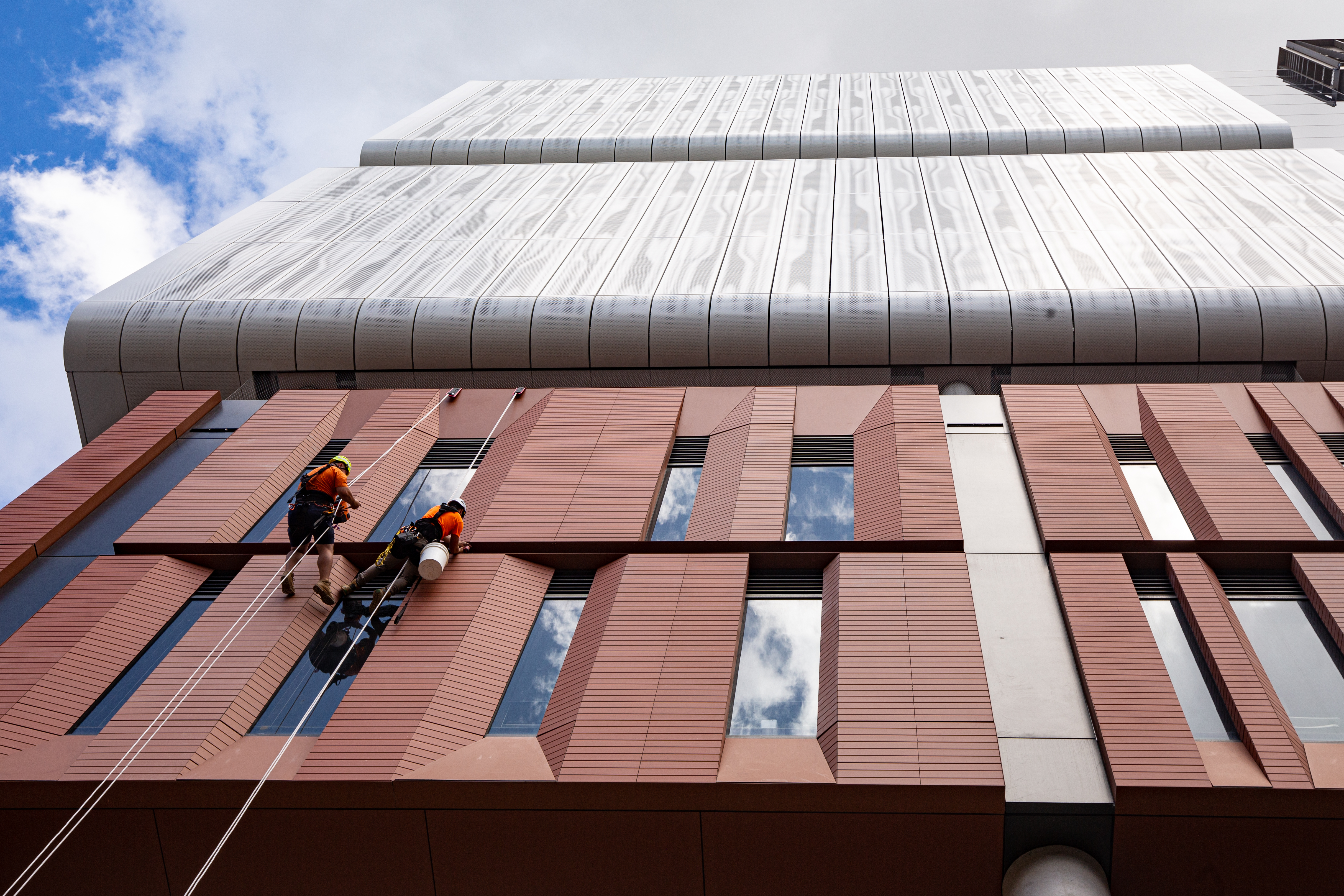
Repairing concrete cancer on a high building
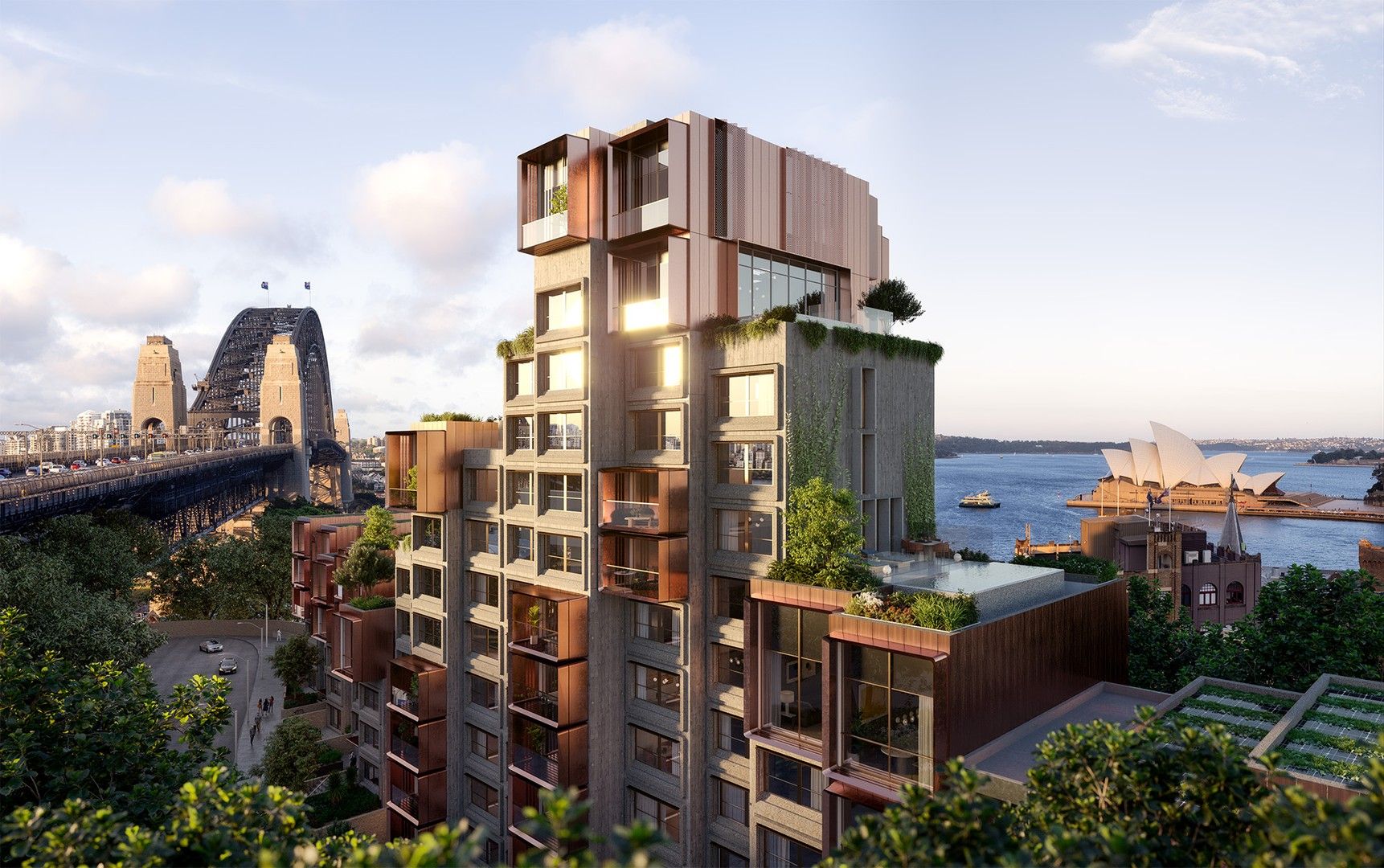
Most concrete cancer on apartment blocks and commercial towers is up on the balconies and facade, out of reach from the ground. Rope access is usually the practical way to fix it, because technicians can move across the whole face of the building, repair each spot, and apply protective coatings without weeks of scaffold hire and without blocking the ground below. On very large jobs a mix of rope access and scaffold is sometimes used, but for scattered repairs across a facade, ropes are faster and cheaper. We deliver remedial work like this on Sydney buildings, including the concrete remediation at Sirius.
Keeping it from coming back
A good repair should last, but the building still needs looking after. Keep the waterproofing and drainage in order, seal new cracks early, and put the facade on a regular inspection cycle so the next patch is caught while it is small. That ongoing check is part of a certification and audit or rope access maintenance program, and it is far cheaper than repeating a major repair.
Getting a concrete cancer repair quote
Because the price hinges on how far the corrosion has spread, a real quote starts with an inspection, not a phone estimate. A contractor who quotes a facade sight unseen is guessing, and the guess is usually low until they open up the concrete and find more. Expect the process to be an inspection that maps the affected areas, including the drummy spots you cannot see from the ground, a scope that lists what will be repaired and how the steel will be treated, and a plan for access, whether that is rope access or scaffold. Getting that detail upfront is how you compare quotes fairly and avoid a cheap number that balloons mid job. If you want your building inspected and scoped properly, book a site assessment.
Services this involves
Trusted by Australia's leading builders
_logo.svg.png)